
REVIEW · AUSCHWITZ-BIRKENAU MEMORIAL TOURS
Two Day Trip to Auschwitz Birkenau and Wieliczka Salt Mine
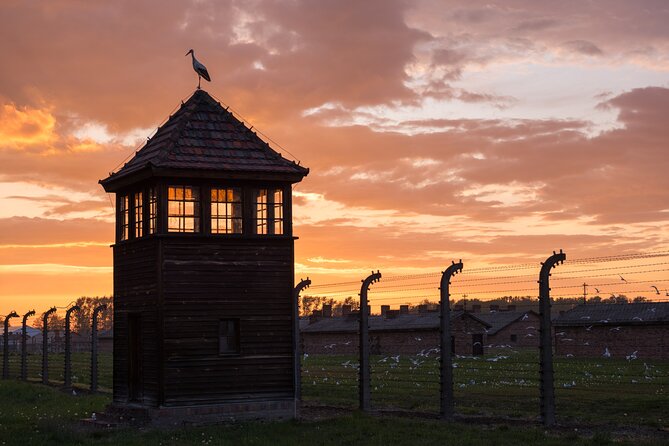
Some places ask for quiet. This two-day Krakow trip pairs the solemn Auschwitz-Birkenau memorial with the remarkable Wieliczka Salt Mine, giving you two very different experiences without trying to cram both into one exhausting day. I like the two-day format, since Auschwitz deserves a serious pace and the salt mine is easier to appreciate after a night’s rest. I also like the included hotel pickup, lunch on day one, admission, and round-trip transport, which remove several small hassles. The main drawback is pace: some sections, especially Auschwitz, may feel too short if you want to see every part of both sites.
The package costs $172.28 per person and is offered in English, with groups capped at 30 people. That is a fair price for two major attractions, transport on both days, museum guides, and lunch, though you should not expect a private or slow-moving tour. The 7:00 a.m. start is early, but it makes sense for a full day at Auschwitz and a less rushed second day underground.
In This Review
- Key points to know before booking
- Why this two-day pairing works in Krakow
- Day one: entering Auschwitz I at 7:00 a.m.
- The transfer to Birkenau and one hour at the second camp
- A respectful way to approach Auschwitz
- Day two: descending 378 stairs at Wieliczka
- What the group size means for your visit
- Is $172.28 good value?
- Who should book this package?
- Practical advice for making the most of the two days
- Should you book the Auschwitz and Wieliczka two-day tour?
- FAQ
- How long does the tour last?
- What time does pickup begin?
- Is transportation included?
- Is the tour offered in English?
- How much time do you spend at Auschwitz?
- How far underground does the Wieliczka tour go?
- Can you cancel for a full refund?
Key points to know before booking
- Auschwitz I and Birkenau are visited separately, with about two hours at the first camp and one hour at the second.
- A museum guide leads the Auschwitz visit, while an English-speaking guide takes you through Wieliczka.
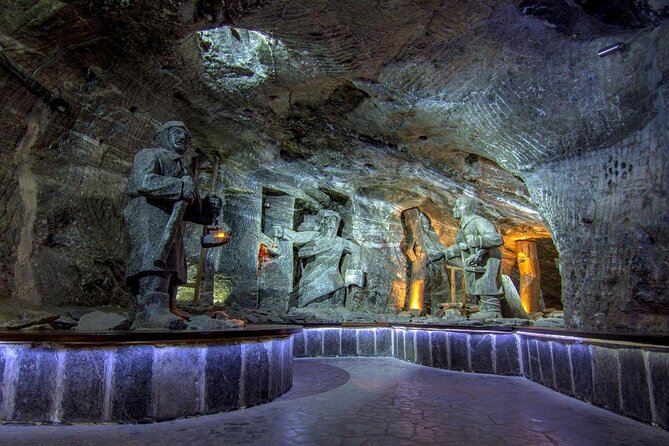
- Wieliczka reaches 140 meters underground, with 378 stairs before the first level.
- The two-day schedule is kinder on your energy than combining Auschwitz and the salt mine in one day.
- Pickup covers Krakow hotels, hostels, and apartments, with a 7:00 a.m. start.
- A group of up to 30 people keeps the price down, but it can limit personal attention and flexibility.
Why this two-day pairing works in Krakow
Auschwitz-Birkenau and Wieliczka Salt Mine sit in very different emotional worlds. Auschwitz is a place of Nazi persecution and mass murder, visited to remember the people killed there and to confront the evidence of that crime. Wieliczka is a historic working mine, known for chambers, carvings, statues, and mining equipment made from salt.
Putting them on separate days is a wise choice. You can give Auschwitz your full attention without then spending another few hours underground. The salt mine provides a much lighter second day, although it still involves stairs, walking, and a long route through the mine.
I especially like this arrangement for older visitors or anyone who prefers a measured schedule. One review described the package as a good fit for a couple over 70 because trying to do all three major sites together would have been too much. That is useful advice. These are not quick photo stops. Both places require time and concentration.
The package is also practical if you are staying in Krakow without a car. Pickup is offered from hotels, hostels, and apartments within Krakow city limits. You do not need to work out separate buses, train connections, entrance tickets, or meeting points outside the city.
More Auschwitz-Birkenau memorial tours:
- From Krakow: Auschwitz-Birkenau Guided Tour & Hotel Pickup
★ 4.5 · 33,358 reviews - From Krakow: Auschwitz-Birkenau Guided Tour & Hotel Pickup
★ 4.5 · 29,340 reviews - Krakow: Auschwitz Guided Tour with Optional Hotel Pickup
★ 4.5 · 15,280 reviews
Day one: entering Auschwitz I at 7:00 a.m.
The first day begins early. Pickup is scheduled from 7:00 a.m., and the exact journey time from Krakow is not provided, so you should keep the morning open rather than making tight plans afterward.
At Auschwitz I, you join a museum-led English tour for about two hours. This is the original camp complex, where the buildings, exhibits, and surviving structures make the history painfully direct. The guide gives the visit its structure, helping you understand what you are seeing rather than simply walking among the buildings without context.
Auschwitz is not an attraction to rush through. The setting is quiet, but the material is difficult. You may see evidence connected with the people imprisoned and murdered there, and the emotional weight can build as the tour continues. A guide is important here because the meaning of the site cannot be understood from architecture alone.
The two-hour visit gives you a serious introduction, but it is not a complete examination of every building or display. One useful criticism of the schedule is that the camp tour can feel fast. Auschwitz I is only the first part of the memorial, and even two hours can pass quickly when the group must move together.
You should plan your expectations accordingly. This is a guided overview, not an all-day research visit. If you have a strong personal or academic interest in the subject, you may wish for more time. For many people, though, the guide-led structure makes the visit manageable and focused.
The transfer to Birkenau and one hour at the second camp
After Auschwitz I, the group transfers about 2 kilometers to Auschwitz II-Birkenau. The same guide continues with you, which helps keep the story connected between the two sites.
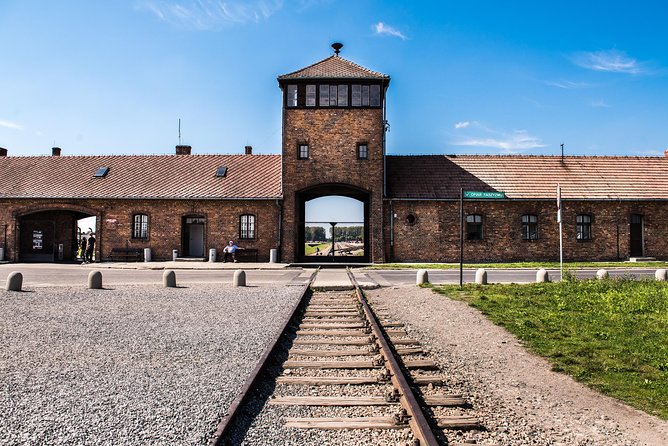
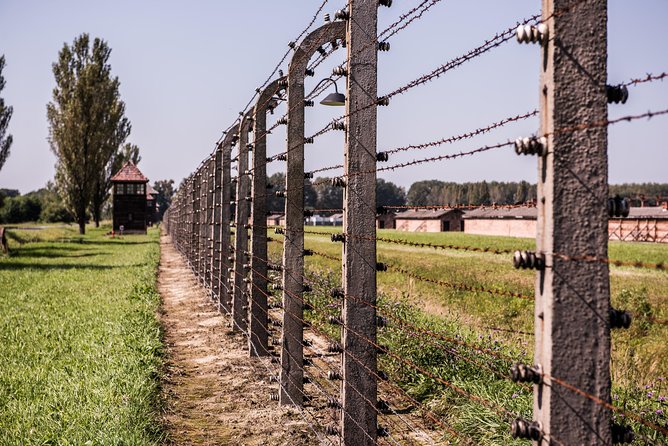
Birkenau is much larger in scale. Its open area, railway connection, barracks, and remains of the camp system communicate the size of the operation in a way that differs from Auschwitz I. The space itself is part of what you are there to understand, although the one-hour visit means you will not see every corner.
This portion can also feel too brief. The two camps are not interchangeable, and Birkenau needs time to take in. Still, the package does include both sites, which is important. A visit to Auschwitz I alone would leave out much of the physical scale and historical meaning of Birkenau.
The guide-led format keeps the group moving, and that has two sides. You benefit from a clear route and a shared explanation, but you will have less freedom to stop for long periods. Bring patience, listen closely, and resist the urge to treat the day like a checklist.
Lunch is included on day one, another small but valuable feature. The supplied details do not specify the menu or dining location, so you should not book the tour based on a particular meal. Its value is simple: after a long morning of transport, walking, and difficult subject matter, you do not need to arrange lunch yourself.
A respectful way to approach Auschwitz
The best preparation is emotional rather than logistical. Auschwitz-Birkenau is visited as a memorial and museum, not as entertainment. You may find parts of the day heartbreaking, and the directness of the site can stay with you long after you return to Krakow.
The package works well if you want a guide to lead you through the difficult material. One especially positive account described the experience as informative and stressed how important it was to pay respects at the site. That is the right frame of mind.
Wear comfortable clothing and shoes, but remember that this is not simply a walking excursion. You will be spending several hours moving between and within historic camp areas, with a group schedule to follow. A moderate level of physical fitness is requested, and you should be prepared for a full morning rather than a short museum visit.
The operator does not provide a named guide in the tour details. At Auschwitz, the tour is provided by a museum guide. At Wieliczka, an English-speaking guide leads the route. That means the quality of the explanation can depend on the individual assigned that day, but the structure is based on official guided visits at both major sites.
More Wieliczka Salt Mine tours:
- From Krakow: Wieliczka Salt Mine Tour
★ 4.6 · 9,393 reviews - Krakow: Auschwitz-Birkenau and Salt Mine Guided Tour
★ 4.7 · 9,020 reviews - Krakow: Wieliczka Salt Mine Guided Tour with Transport
★ 4.4 · 7,429 reviews - Krakow: Wieliczka Salt Mine Fast-Track Ticket & Guided Tour
★ 4.5 · 5,872 reviews
Day two: descending 378 stairs at Wieliczka
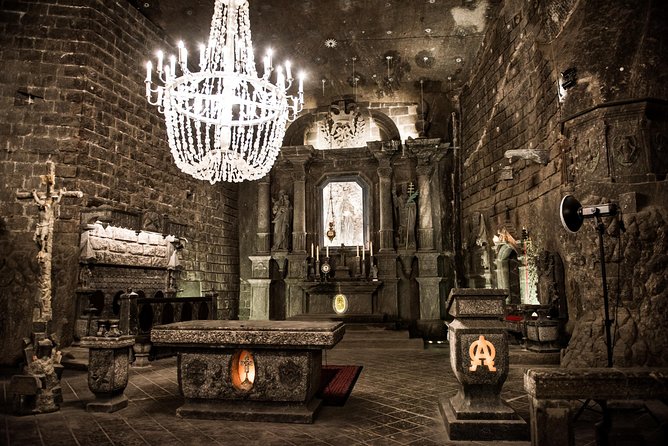
The second day visits Wieliczka Salt Mine, one of the oldest working salt mines in the world. It has produced table salt for more than 700 years, and the tourist route takes you through chambers filled with carvings, statues, mining machines, and equipment made from salt.
The descent begins with a wooden staircase of 378 steps to the first level, 64 meters below ground. That detail matters. You should be comfortable with a substantial stair descent before booking, even though the lift takes you back to the surface after the tour.
The route continues as far as 140 meters underground and covers more than 2.5 kilometers. The supplied timing describes a 2.5-hour journey through the mine, while the itinerary lists the stop as about two hours. In practical terms, allow at least a couple of hours underground and avoid scheduling an important early afternoon appointment until you know your return time.
The mine is a striking contrast to Auschwitz. Instead of open fields and stark buildings, you move through enclosed chambers shaped by centuries of salt extraction. The carvings and statues show how miners used the material around them, while the machinery explains the work behind salt production.
The guide matters here too. Without an explanation of the mining process, the route could become a series of dark rooms and unusual sculptures. The English-speaking guide helps connect the chambers, tools, and collection methods into a story about how the mine operated.
You are expected back in Krakow around 1:00 p.m. That makes day two easier to combine with an afternoon in the city, although transport timing can vary. Keep the rest of your plans flexible, especially if you need to collect luggage or catch a train.
What the group size means for your visit
The maximum group size is 30 people. That is not an intimate tour, but it is a reasonable size for keeping the price below private-tour rates while still allowing organized transfers.
A larger group can make movement slower, especially at entrances, stairs, and points where the guide stops to explain something. You may also have less chance to ask individual questions. On the other hand, the group format is useful for visitors who want a clear plan and do not want to manage the day alone.
The two drivers are an important part of the practical experience. The package includes separate transport days, and positive feedback highlighted clear communication from the drivers, including explanations of how each day would work and answers to questions. That kind of help is easy to overlook, but it can make a long excursion feel more orderly.
Pickup is available from properties within Krakow city limits. If your accommodation is outside the city, the supplied information does not confirm pickup there. Check your address before paying, since a convenient pickup is one of the main reasons to choose this package.
Is $172.28 good value?
At $172.28 per person, this is not the cheapest possible way to visit either attraction. It is also not an unreasonable price for two full experiences with transport, admission, English-speaking guidance, and lunch on day one.
The value comes from combining the parts that are awkward to arrange separately. You get pickup from your Krakow accommodation, transport to both sites, entry tickets, guided visits, and a planned sequence over two days. That saves you from comparing separate tickets and working out how to reach each location.
The price is easier to justify if you value convenience and clear scheduling. It may feel less attractive if you already have transport, prefer self-guided visits, or want to spend much longer at Auschwitz. The package is designed for a broad introduction, not for private pacing.
The 4.7 rating from 24 reviews and 92 percent recommendation rate suggest that the overall package works well for most people who book it. Still, the lower rating highlights the key compromise: both Auschwitz and the mine can feel fast. You are paying for access and organization, but you are accepting a fixed route and timetable.
Who should book this package?
I would recommend it to you if:
- You are visiting Krakow for a limited time.
- You want to see both major sites without arranging transport.
- You prefer guided visits in English.
- You value hotel pickup and a planned schedule.
- You would rather split the experiences across two days.
- You have moderate physical fitness and can manage long walks and stairs.
It is also a good choice for older visitors who want to avoid packing both sites into one day. The two-day design gives you a night between the difficult Auschwitz visit and the physical demands of Wieliczka.
I would hesitate if you need a slow, highly flexible visit. The Auschwitz schedule totals about three hours across both camps, and the mine route follows a set path. You should also think carefully about the 378-step descent at Wieliczka if stairs are difficult for you.
The package may not suit you if you want a private guide or a very small group. With up to 30 people, the experience is organized rather than personal.
Practical advice for making the most of the two days
Treat day one as the serious day. Do not plan a late night before the 7:00 a.m. pickup, and do not fill the evening afterward with fixed activities. The subject matter can be draining, even though the schedule itself is not unusually long.
For day two, prepare for the mine as a physical visit. The stairs come early, and the route continues underground for several kilometers. A moderate fitness level is required, so consider honestly how you manage stairs and extended walking.
Use the guide time well. At Auschwitz, listen closely because the route is fixed and the schedule is tight. At Wieliczka, pay attention to how the guide explains salt collection, machinery, and the carved chambers, since these details turn the mine from a visual curiosity into a working historical site.
The package is offered with a mobile ticket, and confirmation is received at booking. Free cancellation is available until 24 hours before the start time. Changes or cancellations made inside that window are not refunded, and the tour requires a minimum number of people to operate.
Should you book the Auschwitz and Wieliczka two-day tour?
Book it if you want the simplest practical plan for visiting Auschwitz-Birkenau and Wieliczka from Krakow. The best features are the two-day layout, included transport, museum and mine guides, lunch on day one, and coverage of both Auschwitz I and Birkenau.
Do not book it expecting unlimited time or a private pace. Auschwitz can feel rushed, and Wieliczka asks you to manage 378 stairs and a long underground route. For most visitors with limited time in Krakow, the package offers solid value and a sensible structure. For a deeper study of Auschwitz, choose a longer or more specialized visit if one is available.
FAQ
How long does the tour last?
The experience takes place over two days. Day one covers Auschwitz I and Auschwitz II-Birkenau. Day two covers Wieliczka Salt Mine and should return to Krakow around 1:00 p.m.
What time does pickup begin?
Pickup starts at 7:00 a.m. The operator offers pickup from hotels, hostels, and apartments located within Krakow city limits.
Is transportation included?
Yes. Round-trip transfers from Krakow are included for the visits, with pickup offered from eligible accommodations within the city.
Is the tour offered in English?
Yes. The Auschwitz visit is led by a museum guide in English, and the Wieliczka visit is led by an English-speaking guide.
How much time do you spend at Auschwitz?
You spend about two hours at Auschwitz I and about one hour at Auschwitz II-Birkenau. The same guide accompanies the group between the two sites.
How far underground does the Wieliczka tour go?
The route reaches about 140 meters underground and covers more than 2.5 kilometers. You descend 378 wooden stairs to reach the first level, 64 meters below ground, and return to the surface by lift.
Can you cancel for a full refund?
Yes. You can cancel at least 24 hours before the experience starts for a full refund. Cancellations or changes made less than 24 hours before the start time are not accepted for a refund.
Just added in Krakow
- Auschwitz-Birkenau – Skip the Line Tickets★ 3.5 · 29 reviews
- Auschwitz-Birkenau: Fast-Track Ticket & Guided Tour No Transfers★ 3.5 · 17 reviews
- Zakopane & Sleigh Ride with Bonfire – Group Tour from Kraków★ 5.0 · 2 reviews
- Thermal Baths & Zakopane – Private Trip from Krakow★ 5.0 · 1 review
- Zakopane & Gubalowka Funicular – Private Winter Tour from Krakow★ 5.0 · 10 reviews
- Sleigh Ride & Bonfire in Zakopane with Funicular – Private Trip★ 5.0 · 48 reviews
- Divine Mercy Sanctuary – Private Tour from Krakow★ 5.0 · 4 reviews
- stag dog chase Krakow prank★ 5.0 · 4 reviews