
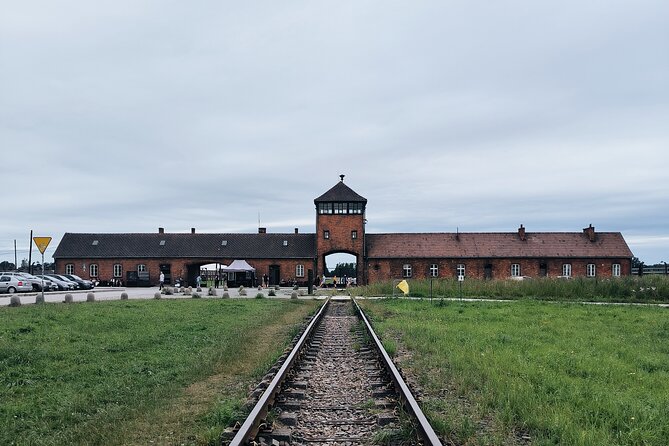
REVIEW · AUSCHWITZ-BIRKENAU MEMORIAL TOURS
Private Guided Tour to Auschwitz & Birkenau from Krakow
Auschwitz demands time, care, and context. This private trip from Krakow makes a difficult day easier to manage, with direct pickup, reserved admission, and transport between the two former camps. I especially like the private vehicle and the personal help from driver Oskar, who also shares useful information about Poland along the road. The main drawback is that the official museum guide, not the private driver, leads the camp visit, and one person found the guide hard to hear and the pace rushed.
You will spend about six to seven hours on the full outing, including the drive from Krakow and visits to Auschwitz I and Birkenau. I also like that the booking is for up to three people, so a small group can share the $461.96 cost. Still, this is not a casual sightseeing trip. The subject is painful, the walking can be tiring, and the day may feel compressed if your museum tour moves quickly.
In This Review
- Key points to know before booking
- Why a private Krakow departure helps
- The Wawel Hill reference and what to expect
- Auschwitz I: the first two hours inside the main camp
- The Judenrampe and the last route into Birkenau
- The commandant’s house beside the camp
- Birkenau: the larger camp and the final hour and a half
- How the official guide and private driver divide the work
- Is $461.96 good value for up to three people?
- Who should book this Auschwitz and Birkenau tour?
- Should you book it?
- FAQ
- How long does the tour from Krakow take?
- Does the tour include both Auschwitz I and Birkenau?
- Who picks me up in Krakow?
- Is the museum tour led by the private driver?
- How many people can join the private tour?
- What is the cancellation policy?
Key points to know before booking
- Hotel pickup in Krakow: Oskar collects you directly from your hotel or another agreed location, which removes the need to find a bus or railway connection early in the day.
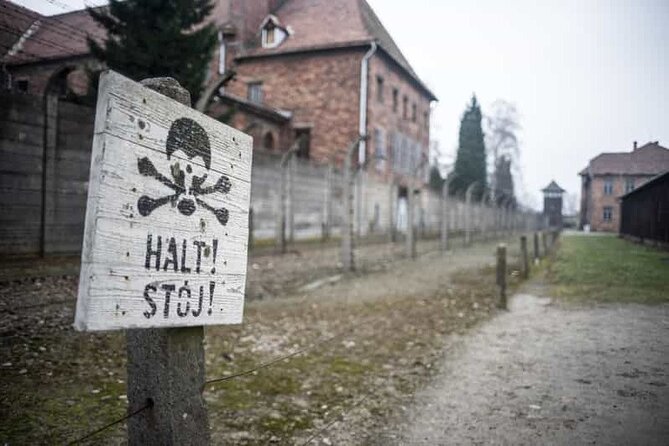
- Two camps, one essential visit: The schedule includes both Auschwitz I and Auschwitz II-Birkenau, the two parts needed to understand how the complex functioned.
- Museum-led camp tour: An official state museum guide conducts the Auschwitz and Birkenau visits. Your private driver handles transport, tickets, and practical support.
- Small-group value: The $461.96 price covers up to three people, making the cost easier to justify for a family or small private party.
- Useful human touch: Oskar has been praised for clean transport, drinks in the car, flexible stops, and thoughtful conversation about Poland during the drive.
- Allow for a heavy day: The visit is educational and essential, but also sad, quiet, and physically demanding, with substantial walking.
Why a private Krakow departure helps
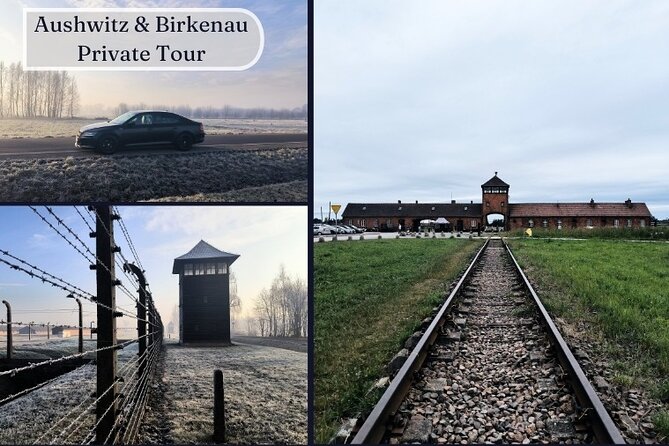
Auschwitz and Birkenau are outside Krakow, so transport is a major part of the day. With this arrangement, you are picked up at your hotel or another chosen place. That is a simple benefit, but an important one when you are preparing for an emotionally serious visit rather than trying to work out a connection at a station.
The private format also means only your group participates in the vehicle service. For three people, the $461.96 total works out to about $154.65 each. That is not the cheapest way to reach the memorial, but it buys door-to-door transport, assistance with admission arrangements, and a driver focused on your schedule.
Oskar is repeatedly praised for making the day run smoothly. He has helped people through ticket lines, supplied beverages, and used local shortcuts to keep the transfer efficient. He and his wife Aleksandra have also been appreciated for their care and practical help. One particularly memorable touch was stopping for Polish sausage in the woods on the return drive. That sort of small local pause can give you a moment to breathe after a difficult visit.
The car ride is also part of the experience. Oskar has been described as friendly, polite, and happy to discuss Poland, the areas along the route, and his own experiences living there. He has even made occasional stops to point out something of interest. Since the official museum guide takes over inside the memorial, this conversation gives you a more personal connection to the wider country around the site.
More Auschwitz-Birkenau memorial tours:
- From Krakow: Auschwitz-Birkenau Guided Tour & Hotel Pickup
★ 4.5 · 33,358 reviews - From Krakow: Auschwitz-Birkenau Guided Tour & Hotel Pickup
★ 4.5 · 29,340 reviews - Krakow: Auschwitz Guided Tour with Optional Hotel Pickup
★ 4.5 · 15,280 reviews
The Wawel Hill reference and what to expect
The tour information also identifies Wawel as a stop. Wawel is the historic castle complex on a hill above the Vistula River and one of Poland’s strongest national symbols. It is an important Krakow sight, but the published timing and detailed description focus on Auschwitz and Birkenau.
For that reason, you should confirm before departure how Wawel fits into your particular schedule. The stated duration is only six to seven hours, and the Auschwitz visit itself requires several hours, so you should not assume there will be a full castle tour as part of the day. If Wawel is central to your plans, ask the provider for a clear explanation before booking.
That small uncertainty is worth checking because a visit to Wawel and a memorial trip to Auschwitz serve very different purposes. Wawel introduces Polish royal and national history. Auschwitz asks you to confront the machinery of Nazi persecution and mass murder. Keeping those experiences separate may be more comfortable for many people.
Auschwitz I: the first two hours inside the main camp
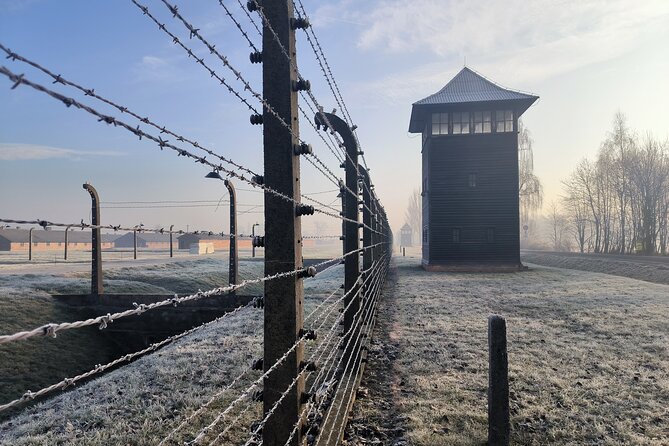
The first camp, Auschwitz I, is the original and more compact part of the complex. Germany established it in occupied Poland first as a concentration camp for Poles, then used it for people of many nationalities. It later became a key part of the Nazi plan to murder European Jews.
The visit here lasts about two hours according to the schedule, with admission included. Expect a structured museum visit led by an official guide assigned by the state museum. Your private driver does not conduct this indoor tour, so the quality and pace of the explanation depend on the museum guide you receive.
Auschwitz I is important because it shows the early camp system and the way imprisonment, forced labor, terror, and mass murder were organized. The site is more built-up than Birkenau, with former camp buildings and museum displays that help place the crimes in a physical setting.
You should listen closely, but also be ready for practical limits. One person found it hard to hear the guide at times and felt rushed. That is a useful warning, especially if the group is large around you or the guide speaks while moving between areas. Stay near the guide when possible, and tell the guide promptly if you cannot hear. The private driver can help with transport and tickets, but concerns about the museum guiding itself need to go to the Auschwitz State Museum.
This part of the visit can feel orderly and controlled, which is useful for learning but emotionally difficult. The museum setting does not make the subject easier. It gives you facts, places, and evidence that help you understand the scale and system of the crimes.
The Judenrampe and the last route into Birkenau
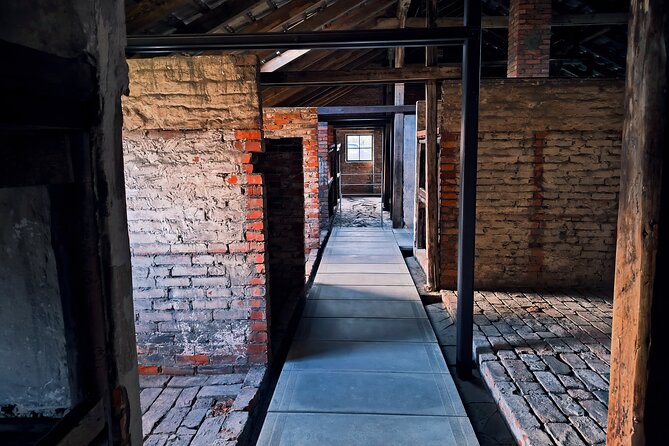
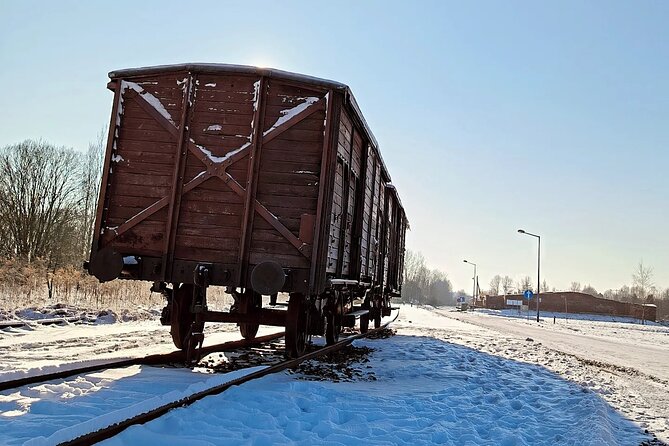
The Judenrampe lies between Auschwitz I and Auschwitz II-Birkenau. It served as the main arrival point from 1942 until May 1944. Here, SS officers carried out selections, dividing newly arrived prisoners between those considered fit for forced labor and those sent directly to the gas chambers.
The scheduled stop is brief, only about three minutes, and admission is free. Do not mistake the short time for a lack of importance. This place helps explain the first moments of arrival, when families were separated and decisions about life and death were made almost immediately.
Because the visit is so short, your museum guide may offer the main context while you are moving through the wider route. Pay attention to how this location connects the two camps. It is not simply a point on a map. It represents the arrival process that fed both forced labor and mass murder.
The short stop also shows why you should expect a tightly planned day. The itinerary moves between several locations, and the memorial grounds are extensive. Comfortable shoes matter, even though the tour is primarily historical rather than recreational.
A few more in Krakow
- Krakow–Zakopane: Cable Car, Chocholow Baths, Cheese & Vodka
★ 5.0 · 10,720 reviews - Krakow: Auschwitz-Birkenau Guided Tour with Pickup & Lunch
★ 4.5 · 9,800 reviews - From Krakow: Wieliczka Salt Mine Tour
★ 4.6 · 9,393 reviews - Krakow: Auschwitz-Birkenau Guided Tour Pickup/Lunch Options
★ 4.5 · 9,057 reviews
The commandant’s house beside the camp
The tour also identifies the former residence of Rudolf Höss, the Auschwitz camp commandant, who lived there with his family from 1940 to 1944. The house gives a disturbing view of how ordinary domestic life existed next to a place of organized murder.
Höss was one of the main architects of the killing system at Auschwitz. He helped introduce mass murder using Zyklon B and developed the camp’s gas chambers and crematoria. After the war, he was captured, tried in Poland, sentenced to death, and executed by hanging at Auschwitz in 1947.
This stop matters because it puts responsibility into human scale. The camp was not an impersonal force that appeared by itself. Specific officials designed, directed, and maintained the system. Seeing the former residence can sharpen that point in a way that a general history lesson cannot.
The supplied schedule does not give a separate duration for this stop, so do not count on an extended standalone visit. It may be viewed as part of the wider route between the camp sections. Ask your driver or museum guide how it fits into the day if this detail is especially important to you.
Birkenau: the larger camp and the final hour and a half
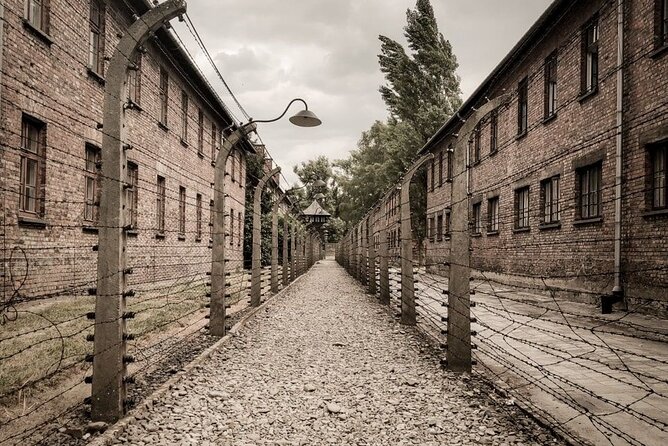
Auschwitz II-Birkenau is about three kilometers west of Auschwitz I and much larger in scale. Built in 1941, it became the main killing site within the Auschwitz complex. The camp held barracks, gas chambers, and crematoria, and trains brought prisoners here from across Europe.
The planned visit lasts about one and a half hours, with admission included. That may sound like plenty of time, but Birkenau covers a wide area and the experience includes walking between major points. The open setting and remaining structures make the scale of the camp easier to grasp, but they also expose you to weather and long stretches on foot.
About one million people died at Birkenau, mainly Jews, along with Roma, Poles, prisoners of war, and others persecuted by the Nazi regime. The site helps explain how deportation, selection, forced labor, and extermination worked together across the wider camp system.
I would give Birkenau your full attention, even if you are tired by this stage. The larger grounds can seem less detailed than Auschwitz I, but that size is part of the lesson. The distance between the entrance, barracks, railway arrival area, and killing facilities shows the physical scale required for the Nazis’ system of mass murder.
The experience is not designed to entertain you. Its value is in bearing witness, learning carefully, and refusing to reduce the victims to a number. You may find the final hour particularly heavy. Plan a quiet evening afterward rather than another demanding attraction.
How the official guide and private driver divide the work
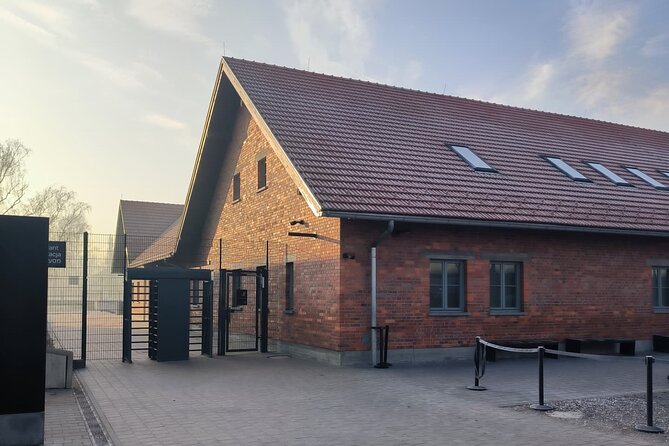
This distinction is essential before you book. Oskar drives you from Krakow to the memorial and back, helps with the transport arrangements, and can offer information during the road journey. He does not lead the official tour inside Auschwitz and Birkenau.
The camp guide is assigned by the state museum. That arrangement is useful because the site requires an official, structured explanation, but it also means your private provider cannot fully control the style, volume, or pace of the guiding. One experience was praised for being highly educational, while another person felt hurried and had trouble hearing.
You should think of this as a private transfer and support service paired with a museum-led visit. That is not a flaw, but it is a detail many people need to understand. The private price does not mean you receive a fully private historian inside every building.
The arrangement has a practical upside. Oskar can focus on getting you there, helping with tickets, and making the day easier around the fixed museum schedule. If you have questions about the official guide, raise them during the visit and direct formal complaints to the museum.
Is $461.96 good value for up to three people?
The price is best judged by group size. For one person, $461.96 is a substantial amount. For three people, it is about $154.65 each, which makes the door-to-door service much easier to justify.
You are paying for a private vehicle, hotel pickup, return transport, ticket arrangements, and a driver who has been praised for efficiency and personal care. The included beverages and possible food stop are small benefits, but welcome on a long day.
The value is also about reducing decisions. You do not need to arrange a separate transfer, find the meeting point, or work out how to get from Auschwitz I to Birkenau. Oskar’s role is especially useful for people who want the day handled carefully from Krakow.
Still, price does not guarantee a private museum guide. The official guide is part of the state museum system, and the quality of communication can vary. If your first priority is a private historian who stays with your group throughout, ask for that specific service before paying.
The perfect five-star score from 70 ratings and a 100 percent recommendation record suggest strong satisfaction with the overall arrangement. I would treat that as encouraging rather than absolute proof that every guide, schedule, and day will feel identical.
Who should book this Auschwitz and Birkenau tour?
This outing suits you if you value easy transport, a small group, and personal help before and after the memorial visit. It is particularly practical for up to three people sharing the cost, for anyone staying in Krakow without a car, and for visitors who prefer hotel pickup over public transport.
It also suits people who want a driver with a human touch. Oskar’s conversation about Poland, flexibility on the road, and willingness to stop for food can make the long transfer feel less mechanical.
You should think twice if you dislike fixed schedules, long walking, or emotionally intense museums. The day is not light sightseeing, and the six to seven-hour estimate leaves limited room for delays or a leisurely meal.
Wear comfortable shoes, keep your schedule afterward open, and bring patience. If you have hearing concerns, stay close to the official guide and speak up early. Contact through the booking service or WhatsApp app is available, and confirmation is provided at booking. Service animals are allowed, and the activity is near public transportation, although the main benefit here is direct pickup.
Free cancellation is available up to 24 hours before the start time for a full refund. Changes or cancellations made less than 24 hours before departure are not accepted for a refund.
Should you book it?
Book this tour if you want the simplest, most supported way to visit both Auschwitz I and Birkenau from Krakow. The strongest reasons are the private pickup, efficient ticket handling, small-group format, and Oskar’s attentive driving.
Do not book it expecting a private guide inside the museum. The official state museum guide leads that part, and the pace or sound quality may not suit everyone. Confirm how the Wawel reference fits into your day, then decide based on what matters most.
For three people sharing the cost, I consider this a strong practical choice. The visit itself will not be enjoyable in the usual sense, but it can be meaningful, well organized, and respectful. If you are prepared for the subject and want transport taken care of, this tour makes a difficult but important day easier to manage.
FAQ
How long does the tour from Krakow take?
The full experience lasts approximately six to seven hours, including transportation and the visits to Auschwitz I and Auschwitz II-Birkenau.
Does the tour include both Auschwitz I and Birkenau?
Yes. The schedule includes about two hours at Auschwitz I and about one and a half hours at Auschwitz II-Birkenau. Both admission tickets are included.
Who picks me up in Krakow?
The provider picks up passengers directly from their hotel or another agreed location. Contact is available through the booking service or WhatsApp app.
Is the museum tour led by the private driver?
No. The official Auschwitz State Museum assigns the guide for the camp visit. The private driver handles transportation, ticket arrangements, and support during the journey.
How many people can join the private tour?
The price covers one private group of up to three people. Only your group participates in the private tour service.
What is the cancellation policy?
You can cancel at least 24 hours before the experience start time for a full refund. Cancellations or changes made less than 24 hours before the start time are not accepted for a refund.
Just added in Krakow
- Auschwitz-Birkenau – Skip the Line Tickets★ 3.5 · 29 reviews
- Auschwitz-Birkenau: Fast-Track Ticket & Guided Tour No Transfers★ 3.5 · 17 reviews
- Zakopane & Sleigh Ride with Bonfire – Group Tour from Kraków★ 5.0 · 2 reviews
- Sleigh Ride & Bonfire in Zakopane with Funicular – Private Trip★ 5.0 · 48 reviews
- Thermal Baths & Zakopane – Private Trip from Krakow★ 5.0 · 1 review
- Zakopane & Gubalowka Funicular – Private Winter Tour from Krakow★ 5.0 · 10 reviews
- stag dog chase Krakow prank★ 5.0 · 4 reviews
- Divine Mercy Sanctuary – Private Tour from Krakow★ 5.0 · 4 reviews