
REVIEW · MUSEUMS IN KRAKóW
Krakow: The Ethnographic Museum ticket
Folk culture tells Krakow’s quieter story. The Ethnographic Museum offers a thoughtful look at Polish village art, customs, and creative life around the turn of the 20th century, all for about $4.81 per person. I like its focus on everyday culture rather than royal rooms, and I like that you can use the ticket over one or two days, depending on the option available.
The main Town Hall section gives you a broad introduction to Polish folk culture, while Esterka’s House adds temporary exhibitions in a vaulted cellar. The main drawback is that this is a self-guided museum visit, with no guide, food, or drinks included. If you want a lively tour with a storyteller leading the way, this is not that kind of experience.
In This Review
- Key details before you go
- Why Krakow’s folk museum deserves your time
- Starting with the Town Hall exhibition
- Esterka’s House and the vaulted cellar
- What the collection can teach you
- How long should you allow?
- Is the $4.81 admission good value?
- Who will enjoy this museum most?
- Practical advice for a smoother visit
- Should you book the Ethnographic Museum?
- FAQ
- Where is the Ethnographic Museum located?
- How much does the ticket cost?
- How long is the ticket valid?
- Is a guide included?
- Is flash photography allowed?
- Can I cancel the booking?
Key details before you go
- Founded by Seweryn Udziela: A teacher, amateur ethnographer, and collector began the museum in 1911.
- Two historic buildings: See the Town Hall exhibition, then look for temporary displays in Esterka’s House.
- Around 80,000 objects: Most pieces date from the late 19th and early 20th centuries.
- A low-cost cultural stop: At about $4.81, admission costs less than many major Krakow attractions.
- Flexible validity: Your ticket is valid for one or two days, depending on the selected option.
- No flash photography: Bring your camera, but keep the flash switched off.
Why Krakow’s folk museum deserves your time

Krakow is famous for its medieval center, churches, castle, and grand public squares. Those sights explain a great deal about Poland, but they do not tell the whole story. The Ethnographic Museum shifts your attention toward village life, folk art, and the traditions that influenced Polish artists and intellectuals.
That change of focus is the main reason I would recommend this museum. It gives you a better sense of what Polish culture looked like beyond the polished historic center. The objects are connected to ordinary communities, regional customs, and handmade artistic traditions.
The museum was created in 1911 through the work of Seweryn Udziela. He was a teacher, amateur ethnographer, and collector who gathered the small group of objects that became the foundation of the present institution. That beginning matters. This was not simply a grand building waiting to be filled. It grew from one person’s interest in preserving cultural material that could easily have been overlooked.
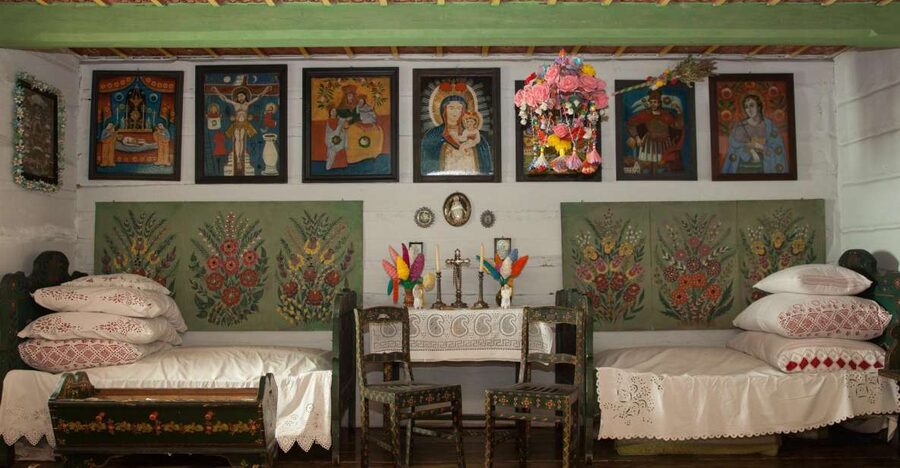
Today, the collection includes around 80,000 showpieces. Most come from the late 19th and early 20th centuries, which gives the museum a clear historical focus. You are not looking at a random assortment of old objects. You are seeing a record of Polish folk culture at a time when artists and intellectuals were taking a fresh interest in rural traditions.
More Museums in Kraków
- Auschwitz-Birkenau Museum and Memorial Guided Tour from Krakow
★ 4.5 · 1,510 reviews - Krakow: Rynek Underground Museum Guided Tour
★ 4.6 · 1,122 reviews - Krakow Schindler’s Factory Museum Guided Tour in English
★ 4.5 · 650 reviews
Starting with the Town Hall exhibition
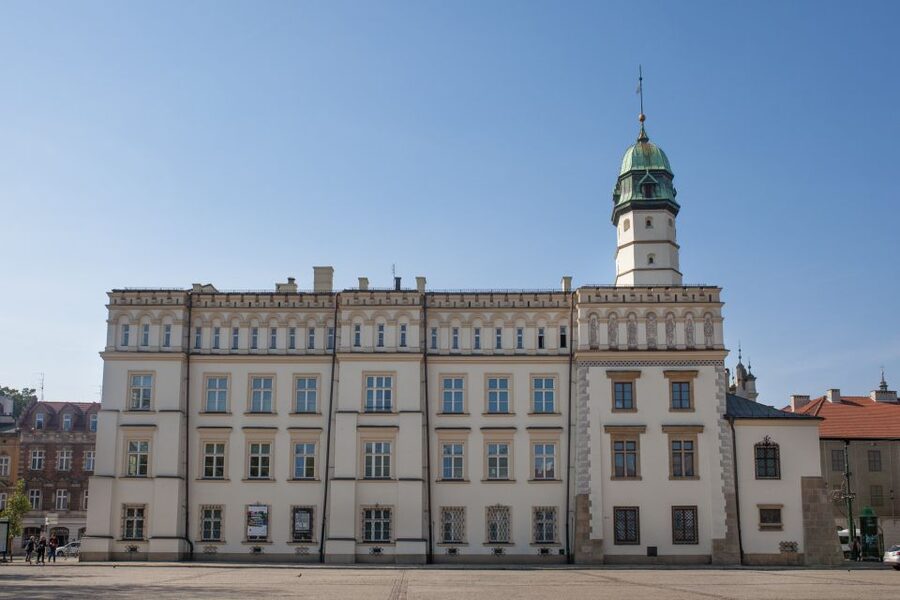
The Town Hall section is the natural place to begin. It presents Polish folk culture in the museum’s main setting and gives you the broadest introduction to the collection.
The word folk can sound vague, but here it points to the artistic and cultural life of rural communities. The displays help show how people expressed identity through objects, art, and traditional forms. You may find that the appeal is less about one famous masterpiece and more about seeing many pieces together.
I like this kind of museum because it rewards patience. Instead of rushing from one celebrated object to another, you can look at the patterns, materials, and repeated themes across the displays. The large collection gives the museum room to show variety, even if you are not familiar with Polish regional traditions.
The Town Hall exhibition also helps explain why folk culture attracted artists living in Krakow around the turn of the 20th century. At that time, Polish intelligentsia faced a sense of stagnation and cultural crisis. Folklore offered a livelier source of ideas and a connection to traditions outside elite urban life.
That context makes the visit more than a display of old objects. You are also seeing how artists looked to rural culture for energy and meaning. The museum presents folk art as a serious part of Polish cultural development, not as a decorative side note.
Esterka’s House and the vaulted cellar

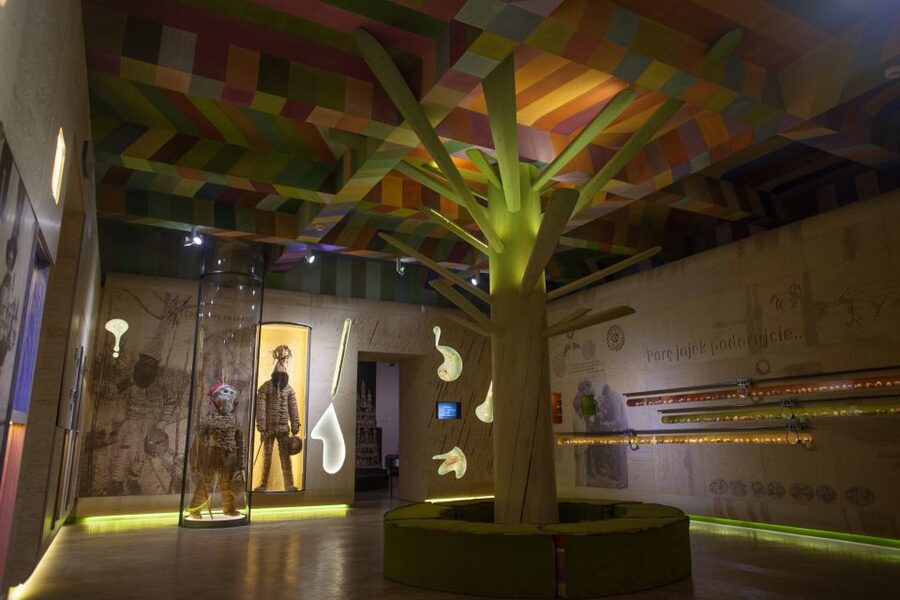
The museum’s second building is known as Esterka’s House. Its temporary exhibitions are held in a beautifully vaulted cellar, giving this part of the visit a different mood from the main Town Hall section.
Because these displays are temporary, the exact subject can change. That makes it worth checking what is showing when you book or arrive. The cellar setting itself adds character, but you should not expect the same permanent presentation each time you visit.
I would treat Esterka’s House as a second chapter rather than a separate attraction. The Town Hall section introduces the museum’s central mission, while the cellar allows the museum to focus on particular themes through changing displays. If you have already seen the permanent collection, the temporary rooms can give you a reason to return.
One practical point: the museum occupies several floors and sections. A published rating of 4.5 out of 5 from eight ratings reflects the appeal of the overall presentation, and one particularly useful observation is that the museum is well organized across several floors. The uppermost area, with paintings and sculptures, was singled out as an especially welcome discovery.
That is good advice for your visit. Do not stop after the first rooms. Follow the museum’s route through the floors and make time for the final section. The paintings and sculptures may offer a different experience from the folk objects that first catch your attention.
What the collection can teach you
The museum’s greatest value comes from the way it connects objects to ideas. You are not just looking at old things from Poland. You are seeing the cultural material that helped artists and collectors think about national identity, tradition, and artistic renewal.
The late 19th and early 20th centuries were important years for this interest in folklore. Urban artists began to see rural customs and folk creativity as a source of freshness. The museum helps you understand that attraction without requiring a specialist background.
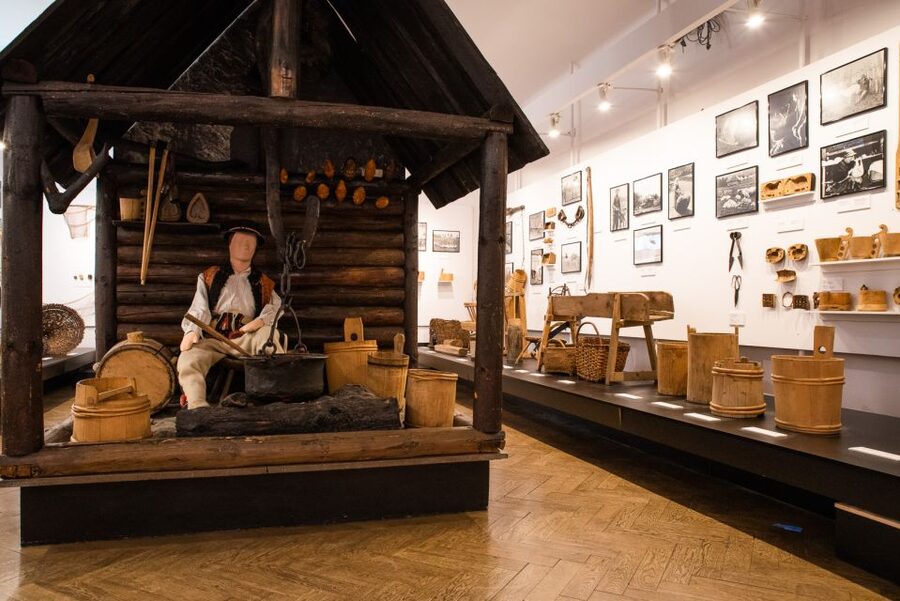
I especially like that the collection can appeal to two kinds of visitors. If you enjoy art, the paintings, sculptures, and decorative work give you plenty to study. If you prefer social history, the displays offer clues about how Polish communities expressed themselves through handmade objects and customs.
You should also keep your expectations in check. This is not presented as a guided performance or a theatrical reconstruction of village life. It is a museum visit, and you will need to read, observe, and make connections for yourself. Some visitors will enjoy that freedom. Others may wish for more explanation in person.
Since no guide is included, I recommend allowing yourself enough time to read the displays rather than racing through the rooms. The ticket’s one or two day validity can help here. If your selected option permits two days, you can split the visit and return for the temporary exhibition or the upper floors.
Something quite different:
- From Krakow: Auschwitz-Birkenau Guided Tour & Hotel Pickup
★ 4.5 · 33,358 reviews - From Krakow: Auschwitz-Birkenau Guided Tour & Hotel Pickup
★ 4.5 · 29,340 reviews - Krakow: Auschwitz Guided Tour with Optional Hotel Pickup
★ 4.5 · 15,280 reviews - Krakow–Zakopane: Cable Car, Chocholow Baths, Cheese & Vodka
★ 5.0 · 10,720 reviews
How long should you allow?
The ticket is listed as valid for one to two days, with the exact arrangement depending on availability and the option you select. That does not mean you need to spend two full days inside the museum. It means you may have useful flexibility in how you plan the visit.
For a short Krakow stay, you can use the museum as a focused cultural stop between other sightseeing plans. The low admission price makes it easy to add without reshaping your entire day.
If you prefer museums at a slower pace, the flexible validity is more useful. You can see the Town Hall exhibition first, take a break elsewhere, and return to Esterka’s House or the upper floors later if your ticket allows it.
Starting times are subject to availability. Check the booking calendar carefully before paying, since the meeting point and starting details may vary according to the option booked. The activity ends back at the meeting point, so pay attention to the information attached to your chosen ticket.
Is the $4.81 admission good value?
Yes, especially if you want an affordable way to add Polish culture to a Krakow itinerary. At about $4.81 per person, the ticket gives you access to a collection of around 80,000 objects spread across two buildings and several floors.
The value is strongest for visitors who enjoy museums that provide context rather than quick photo stops. You are paying for access to a substantial collection and the chance to explore at your own pace. The temporary displays in Esterka’s House add another layer, though their exact content will vary.
The price is less compelling if you only have a few minutes or want a guide to explain everything. Since food, drinks, and guiding are not included, you should think of this as a simple admission ticket. You pay for entry, then create your own experience inside.
There is also a practical benefit to the low price. Krakow has plenty of major sights with admission fees, and not every stop needs to be a large expense. This museum gives you a quieter cultural option without demanding much from your budget.
Who will enjoy this museum most?
I would recommend the Ethnographic Museum to you if you like art, cultural history, handmade traditions, or the story of how national identity develops. It is also a good choice if you have already seen Krakow’s most famous landmarks and want a different angle on the city.
Families may appreciate the variety of objects, but the visit is self-guided, so younger children may need help staying interested. The museum is likely a better fit for older children and adults who can pause at displays and discuss what they are seeing.
Art students and anyone interested in Polish culture should give it serious consideration. The museum’s collection shows why Krakow artists looked toward folklore at the turn of the 20th century. The final section of paintings and sculptures is particularly worth seeking out.
You may want to skip it if you dislike museums without a guide, have no interest in folk art, or are planning a very tight schedule. The collection rewards attention, and a rushed visit could leave you with only a blur of objects and rooms.
Practical advice for a smoother visit
Check the selected ticket option before you finalize the booking. The entry period can be one or two days, and starting times depend on availability. The meeting point may vary, so use the exact details connected to your booking rather than assuming every ticket begins in the same place.
Plan to visit both buildings. The Town Hall exhibition is the main introduction, but Esterka’s House contains the temporary displays in its vaulted cellar. Missing the second building would leave out an important part of the museum experience.
Keep your camera flash off. Flash photography is not allowed. You can still enjoy the visual details, but respect the museum’s rule and be ready to put your phone or camera away when needed.
There is no guide included, so you control the pace. I would avoid treating this as a quick stop between two major attractions. Give yourself time to look through the floors, including the paintings and sculptures toward the end.
The ticket includes entry only. Bring your own plan for food and drinks before or after the visit. If you need a guided explanation, you will have to arrange that separately because a guide is not part of the admission.
You can cancel up to 24 hours in advance for a full refund, and the reserve now, pay later option lets you hold a place without paying immediately. Those policies are helpful if your Krakow schedule is still shifting.
Should you book the Ethnographic Museum?
Book it if you want a low-cost, self-guided look at Polish folk culture and the artistic interests of Krakow around 1900. The two-building format, large collection, temporary exhibitions, and final display of paintings and sculptures give the visit more substance than the modest price suggests.
I would place it high on the list for art lovers, culture-minded visitors, and anyone staying in Krakow long enough to look beyond the main monuments. It is less suitable if you need a guide, dislike reading museum displays, or only have a short window.
The best approach is simple: start with the Town Hall exhibition, continue through the museum’s floors, seek out the paintings and sculptures, then visit Esterka’s House. At about $4.81, it is an easy cultural addition to your Poland itinerary, and it offers a useful reminder that Krakow’s story belongs to rural traditions as much as to grand urban architecture.
FAQ
Where is the Ethnographic Museum located?
The experience is located in Lesser Poland, Poland. The museum includes the Town Hall section and a second building known as Esterka’s House.
How much does the ticket cost?
The listed price is $4.81 per person.
How long is the ticket valid?
The ticket is valid for one to two days, depending on the option selected. Check availability for the exact starting times and validity details.
Is a guide included?
No. The ticket includes entry only. A guide, food, and drinks are not included.
Is flash photography allowed?
No. Flash photography is not allowed inside the museum.
Can I cancel the booking?
Yes. You can cancel up to 24 hours in advance for a full refund. A reserve now, pay later option is also available.
Just added in Kraków
- Auschwitz-Birkenau – Skip the Line Tickets★ 3.5 · 29 reviews
- Auschwitz-Birkenau: Fast-Track Ticket & Guided Tour No Transfers★ 3.5 · 17 reviews
- Zakopane & Sleigh Ride with Bonfire – Group Tour from Kraków★ 5.0 · 2 reviews
- Sleigh Ride & Bonfire in Zakopane with Funicular – Private Trip★ 5.0 · 48 reviews
- Thermal Baths & Zakopane – Private Trip from Krakow★ 5.0 · 1 review
- Zakopane & Gubalowka Funicular – Private Winter Tour from Krakow★ 5.0 · 10 reviews
- Divine Mercy Sanctuary – Private Tour from Krakow★ 5.0 · 4 reviews
- stag dog chase Krakow prank★ 5.0 · 4 reviews
Museums in Kraków, compared.
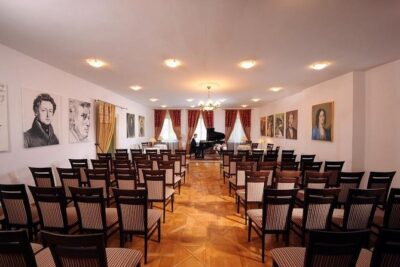
Chopin Piano Concert at Chopin Gallery with a Glass of Wine
Read our review →
Czartoryski Museum Tour / Entrance with Krakow Card
Read our review →
Rynek Underground Museum Skip-the-line Guided Tour
Read our review →
Krakow Arcade Museum Entrance Ticket With Free Play
Read our review →
Browse the lists this tour appears in