
REVIEW · AUSCHWITZ-BIRKENAU MEMORIAL TOURS
Krakow: Plaszow Concentration Camp Walking Tour
The past feels close here. Krakow’s Plaszow Concentration Camp Walking Tour brings you to a former forced labor and concentration camp, then connects the site to the Krakow ghetto, Oskar Schindler, and Schindler’s List. I like the serious historical focus and the chance to see several memorials rather than only hearing a short story in a museum. I also like that a guide and single tram ticket are included for $29.
This is not a light sightseeing walk. Much of the value comes from explanation, since the former camp is not presented as a polished museum complex. You should also know that museum admission and food are not included, and two hours can feel brief for such a heavy subject.
In This Review
- Key points to know before you go
- Why Plaszow is different from Krakow’s better-known sights
- Starting at Apteka pod Orłem
- Entering the former camp site
- Quarry work and military factories
- Memorials and the work of remembrance
- Oskar Schindler and the film connection
- Is two hours enough?
- The $29 price and who gets the best value
- Should you book the Plaszow walking tour?
- FAQ
- Where does the Plaszow tour meet?
- How long does the tour last?
- How much does the tour cost?
- Is a guide included?
- Which languages are available?
- Is a tram ticket included?
- Is museum admission included?
- Is food included?
- Is the tour wheelchair accessible?
- Can I cancel the tour for a refund?
Key points to know before you go
- The tour begins at Apteka pod Orłem: Look for the guide holding an excursions.city sign.
- Plaszow changed purpose over time: It began as a forced labor camp in 1940 and became a concentration camp in 1941.
- The memorials are central to the experience: You will have time to remember the people who died under Nazi rule.
- The quarry and factories explain camp labor: The tour covers hard work at the quarry and in military factories.
- Schindler’s story is part of the route: You will hear how his life connects with the camp and the film.
- A film-set replica sits at Liban Quarry: Steven Spielberg directed its construction some hundred meters from the former camp.
Why Plaszow is different from Krakow’s better-known sights
Many Krakow visitors know the former Krakow ghetto through museums and walking routes in Podgórze. Plaszow takes the story farther, showing where deported Jews were sent beginning in 1942 and how Nazi rule reshaped the area.
I value this connection because it gives the ghetto story a physical continuation. You are not only learning about deportation as a date in a history book. You are being shown the camp system that followed, including forced labor, military production, and the daily conditions prisoners faced.
The setting calls for attention and restraint. This is a place of remembrance, not a scenic stop to rush through for photographs. The guide’s explanations matter because the former camp does not offer a neatly arranged sequence of rooms and displays.
That point is important when you decide how to spend your time in Krakow. If you want a traditional museum experience with many objects, captions, and indoor exhibits, this tour will not replace one. If you want help understanding the site itself, the walk adds something a museum cannot provide.
More Walking Tours in Kraków
- Old Town Krakow & Wawel Castle Walking Tour
★ 5.0 · 1,508 reviews - Creepy Krakow: 2-Hour City Walking Tour
★ 4.7 · 1,131 reviews - Krakow: The Old Town Walking Tour
★ 4.8 · 794 reviews
Starting at Apteka pod Orłem
The meeting point is Apteka pod Orłem, the Pharmacy Under the Eagle. You should arrive ready to identify the guide by the excursions.city sign. The tour includes one tram ticket, which helps connect the starting point with the Plaszow area without making you arrange every part of the journey yourself.
The meeting point also gives the tour a meaningful beginning. The pharmacy is tied to the history of the Krakow ghetto, so the route can place Plaszow in the wider story of Jewish life, persecution, and deportation. The supplied details do not specify the exact tram route or departure schedule, so check the available starting time when booking.
The tour is led in English, French, Italian, or Spanish. That choice is useful for couples and small groups who do not all speak the same language. A live guide also lets you ask for clarification as the story becomes more difficult or complex.
Entering the former camp site
Plaszow opened in 1940 as a forced labor camp. In 1941, it was converted into a concentration camp. That change is one of the key facts you will hear, because it shows how Nazi persecution developed from forced labor into a wider system of imprisonment, violence, and mass death.
You will visit different parts of the former camp and learn how it operated. The tour focuses on the site rather than presenting a single preserved building, so listen closely to how the guide explains the uses of each area.
This is where a guided walk earns its price. At $29, you are paying less for an entrance ticket and more for context, orientation, and a structured explanation of a difficult place. Without a guide, you might see memorials and open ground but miss how the camp was organized and why each area mattered.
The tour covers the deportation of Jews from the Krakow ghetto beginning in 1942. That detail gives the site a direct link to the city center. The story is not isolated from Krakow’s streets, homes, and neighborhoods. It is part of what happened to the people who had lived there.
Quarry work and military factories
Labor is a major part of the visit. You will learn about intensive work at the quarry and in military factories, two details that make the camp’s purpose more concrete.
The quarry helps explain the physical demands placed on prisoners. The military factories show how imprisonment and forced labor served Nazi wartime production. Together, these stops move the discussion beyond general statements about camp life and toward the work prisoners were made to perform.
I find this practical focus especially useful for understanding the system. A camp was not only a place of confinement. It was also an organized operation that used people as labor. The guide’s job is to connect the quarry, factories, living conditions, and Nazi control into one clear picture.
You should expect the subject matter to be upsetting. The tour is best suited to adults and older children who can handle a direct discussion of the Holocaust. The supplied information does not set an age limit, so families should make that choice based on the child’s maturity.
More Auschwitz-Birkenau memorial tours:
- From Krakow: Auschwitz-Birkenau Guided Tour & Hotel Pickup
★ 4.5 · 33,358 reviews - From Krakow: Auschwitz-Birkenau Guided Tour & Hotel Pickup
★ 4.5 · 29,340 reviews - Krakow: Auschwitz Guided Tour with Optional Hotel Pickup
★ 4.5 · 15,280 reviews - Krakow: Auschwitz-Birkenau Guided Tour with Pickup & Lunch
★ 4.5 · 9,800 reviews
Memorials and the work of remembrance
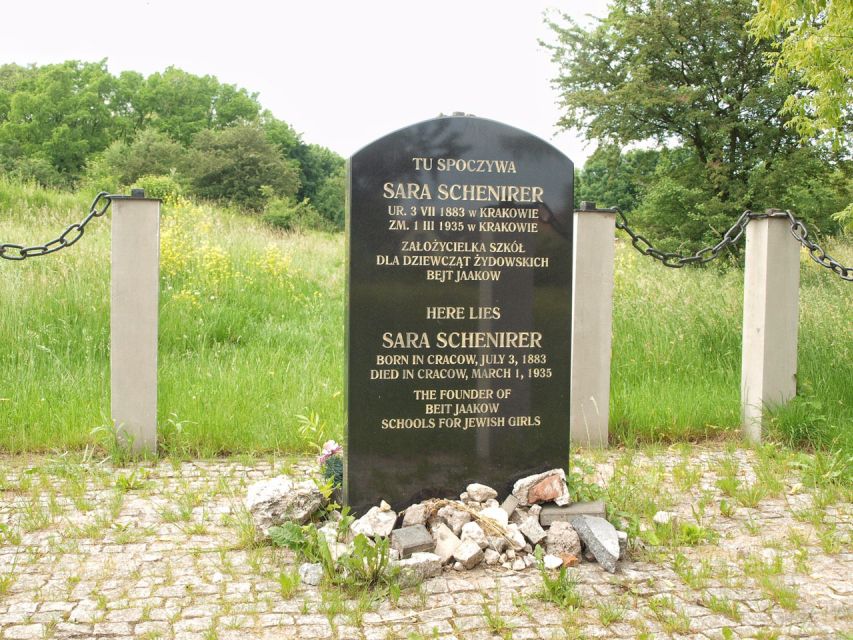
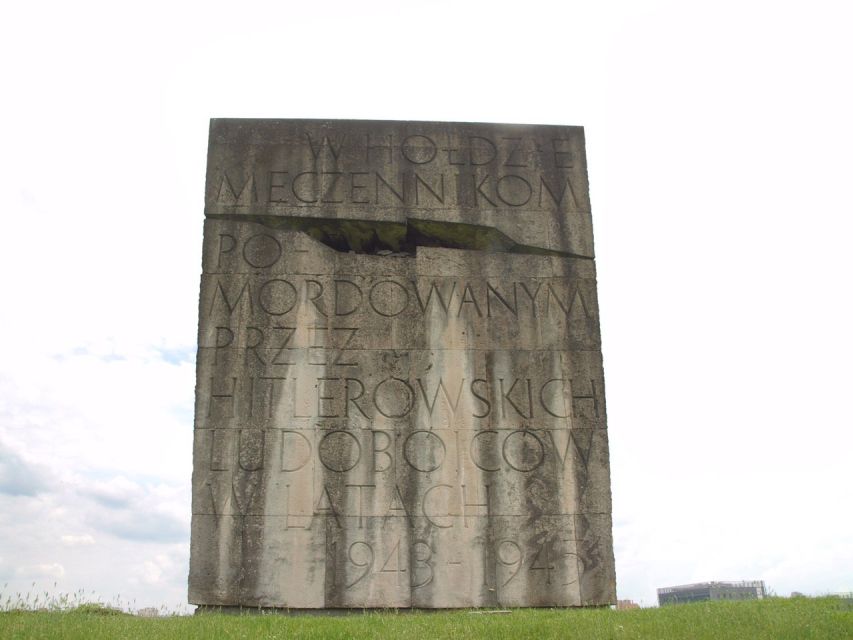
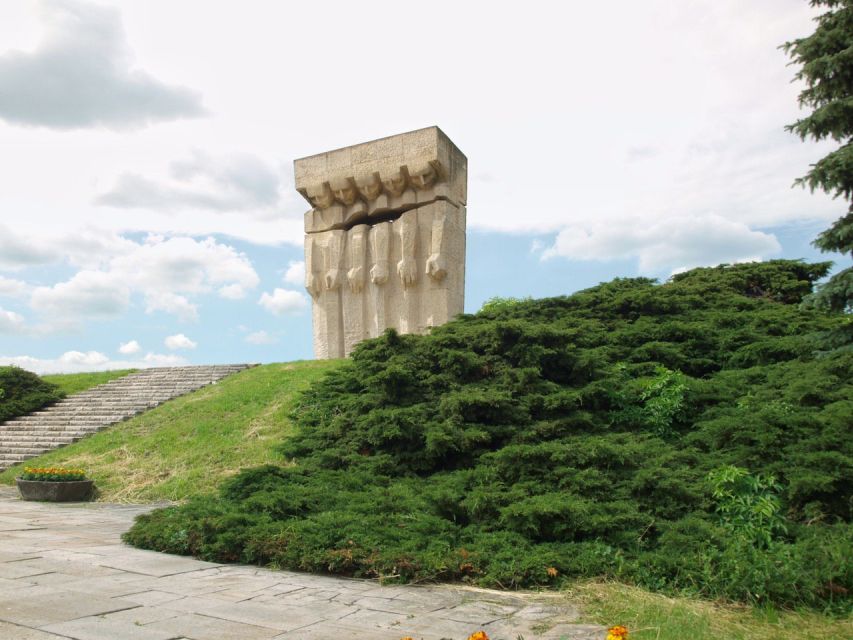
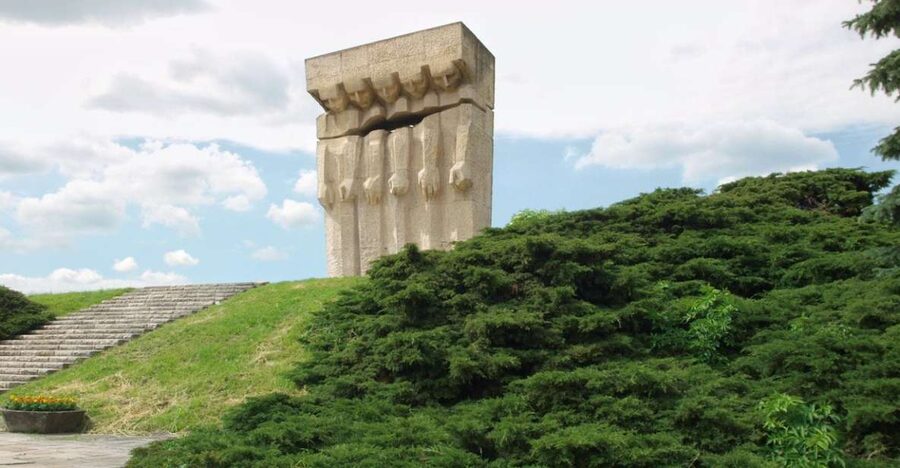
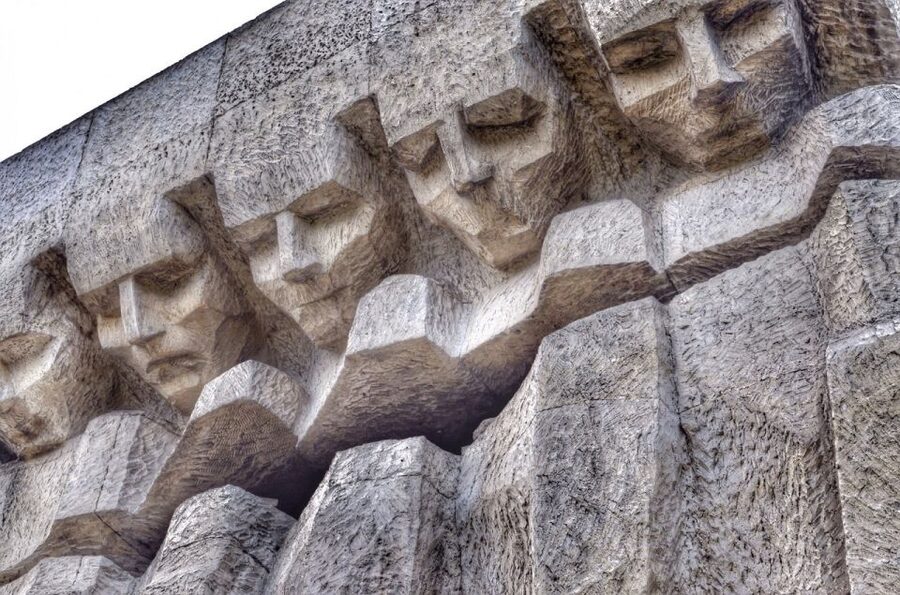
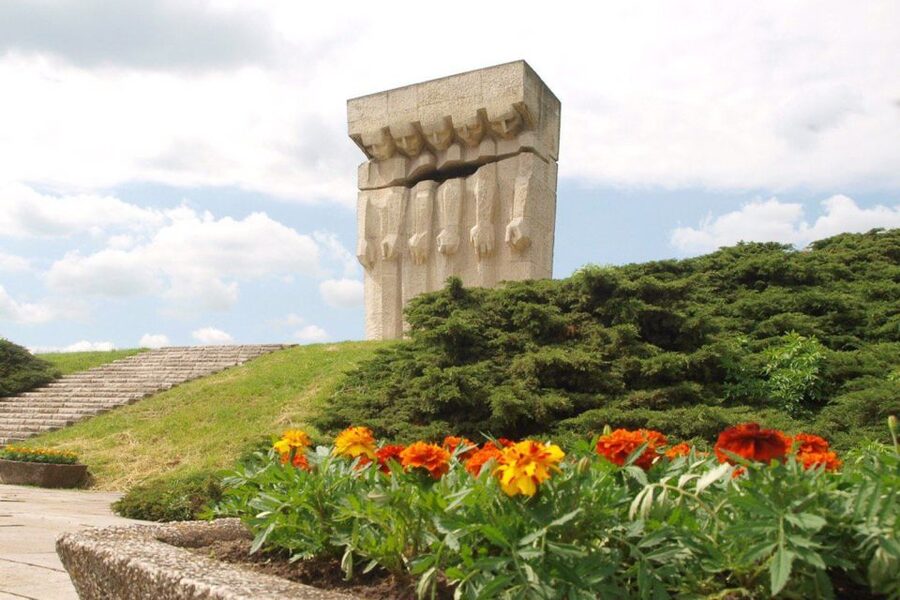
Several memorials are dedicated to the victims. The tour gives you the chance to stop, pay your respects, and understand why these places of remembrance matter.
Do not treat the memorial stops as quick photo opportunities. Their value comes from pause and attention. A guide can explain whom they commemorate and how they fit into the history of Plaszow, while you have a clear moment to reflect.
The tour’s tone is one of its strongest features. The subject requires care, and the route is built around remembrance rather than entertainment. That makes it a good choice if you want your Krakow sightseeing to include the city’s wartime past in a direct, respectful way.
At the same time, the site may feel less immediately accessible than a museum. The information provided does not mention a visitor center, indoor galleries, or extensive displays at Plaszow. You are likely to get the most from the visit by staying close to the guide and asking questions when something is unclear.
Oskar Schindler and the film connection
The tour also discusses Oskar Schindler, the German industrialist whose story became widely known through Schindler’s List. You will learn about his life and how the camp was shown in the 1993 film.
This part can be useful, but it should not become the whole reason for visiting. Schindler’s story offers a familiar entry point into Krakow’s wartime history, yet Plaszow was a place of mass suffering involving many more people than the film’s central characters.
The film connection becomes more direct at Liban Quarry, some hundred meters from the former camp. Under Steven Spielberg’s direction, a replica of the camp was built there for the movie. Seeing the replica near the real site lets you compare cinematic storytelling with the actual place.
I like that the tour treats the film as a doorway rather than a substitute for history. If you have seen Schindler’s List, the location may help you understand how the movie used Krakow. If you have not seen it, you can still follow the tour because the main focus remains Plaszow, its victims, and camp life.
Is two hours enough?
Two hours gives you a focused introduction, not an exhaustive study. The route covers the camp’s changing role, deportations from the ghetto, labor at the quarry and factories, memorials, Schindler, the film, and Liban Quarry. That is a lot to fit into one walking tour.
I would see the short length as both an advantage and a limit. It fits neatly into a busy Krakow schedule and avoids turning a difficult subject into an all-day commitment. But you may leave with questions, especially if you want detailed information about individual buildings, prisoner biographies, or the wider Nazi camp system.
Plan your expectations around a guided overview with meaningful stops. The tour is not advertised as a museum visit, and entrance to a museum is not included. Food is also not included, so plan any refreshment before or after the walk.
The activity is listed as wheelchair accessible. Since it is a walking tour around a former camp site, you may still want to confirm the exact route and surface conditions if access needs are important for your group. The provided information confirms accessibility but does not describe the terrain in detail.
The $29 price and who gets the best value
At $29 per person, the tour offers solid value if you want historical interpretation and basic transport included. A single tram ticket comes with the guide-led experience, so you do not need to budget separately for that part of the route.
The price is less attractive if you only want to see the memorials quickly or if you plan to visit an indoor museum instead. Museum admission is not included, and the tour does not provide food. Those exclusions are normal for a short walking experience, but they matter when you compare the total cost of your day.
I would recommend it most strongly to first-time visitors who want to understand Plaszow rather than simply locate it. It also suits anyone interested in the Krakow ghetto, Holocaust history, Oskar Schindler, or the making of Schindler’s List.
The tour may not suit you if you prefer casual sightseeing, dislike emotionally difficult subjects, or want a long museum-style presentation. Two hours moves at a purposeful pace, and the topic leaves little room for entertainment.
Booking is flexible: you can reserve now and pay later, and cancellation is free up to 24 hours before the activity for a full refund. Starting times vary, so check availability for your date.
Should you book the Plaszow walking tour?
Book it if you want a serious, guided explanation of one of Krakow’s most important wartime sites. The strongest reasons are the clear link between the ghetto and the camp, the memorial stops, the quarry and factory discussion, and the nearby film replica.
Skip it if your priority is a fully preserved camp museum with extensive indoor exhibits. For $29, you receive a guide, a two-hour route, and one tram ticket, but not museum entry or food.
For most visitors with an interest in Krakow’s 20th-century history, I think the tour is a worthwhile addition to a city itinerary. Go prepared to listen, pause, and give the place the respect it requires.
FAQ
Where does the Plaszow tour meet?
The meeting point is Apteka pod Orłem. Look for the guide holding an excursions.city sign.
How long does the tour last?
The tour lasts two hours.
How much does the tour cost?
The listed price is $29 per person.
Is a guide included?
Yes. A live guide is included.
Which languages are available?
The tour is available in English, French, Italian, and Spanish.
Is a tram ticket included?
Yes. One tram ticket is included with the tour.
Is museum admission included?
No. Museum entrance is not included.
Is food included?
No. Food is not included.
Is the tour wheelchair accessible?
Yes. The activity is listed as wheelchair accessible.
Can I cancel the tour for a refund?
Yes. You can cancel up to 24 hours in advance for a full refund.
Just added in Krakow
- Auschwitz-Birkenau – Skip the Line Tickets★ 3.5 · 29 reviews
- Auschwitz-Birkenau: Fast-Track Ticket & Guided Tour No Transfers★ 3.5 · 17 reviews
- Zakopane & Sleigh Ride with Bonfire – Group Tour from Kraków★ 5.0 · 2 reviews
- Sleigh Ride & Bonfire in Zakopane with Funicular – Private Trip★ 5.0 · 48 reviews
- Thermal Baths & Zakopane – Private Trip from Krakow★ 5.0 · 1 review
- Zakopane & Gubalowka Funicular – Private Winter Tour from Krakow★ 5.0 · 10 reviews
- Divine Mercy Sanctuary – Private Tour from Krakow★ 5.0 · 4 reviews
- stag dog chase Krakow prank★ 5.0 · 4 reviews