
REVIEW · 3-DAY EXPERIENCES
Krakow: Museum of Jan Matejko Entry Card (3-Day Krakow Card)
Step inside the painter’s family home. This experience combines a visit to Jan Matejko House with a Krakow museum card, giving you access to 37 museums during the card’s validity period. The house offers something a standard gallery cannot: a look at the rooms where Poland’s best-known history painter lived, worked, and collected the objects that shaped his world.
I like the personal scale of Matejko House, especially the everyday furniture, family belongings, fabrics, weapons, and artistic craft on display. I also like the freedom of pairing that visit with major Krakow sights such as Schindler’s Factory, Rynek Underground, and the Princes Czartoryski Museum. The main drawback is an important one: the booking information uses both two-day and three-day descriptions, so you should confirm the exact validity period when collecting your card.
The card costs $53 per person. That can be good value if you visit several museums, but it is less attractive if your Krakow plans center on only one or two stops. You collect the card yourself at Krakville Tours on Sienna 17, then use it independently. There is no guide, transport, or included admission to Wawel Cathedral buildings.
In This Review
- Key points to know before you go
- Entering Jan Matejko House in Krakow
- What you learn about Poland’s national painter
- Using the card across Krakow’s museums
- Choosing the best museums for your time
- What the $53 price really buys you
- Timing, activation, and the two-day versus three-day issue
- Collecting the card at Sienna 17
- Who will enjoy this museum card most
- Should you book the Jan Matejko House and Krakow Card?
- FAQ
- Where do I collect the Krakow Card?
- How long is the card valid?
- How many museums are included?
- Is Jan Matejko House included?
- Is transportation included?
- Are guided tours included?
- Does the card include Wawel Cathedral buildings?
- Are there any museum closure or admission-time issues?
Key points to know before you go
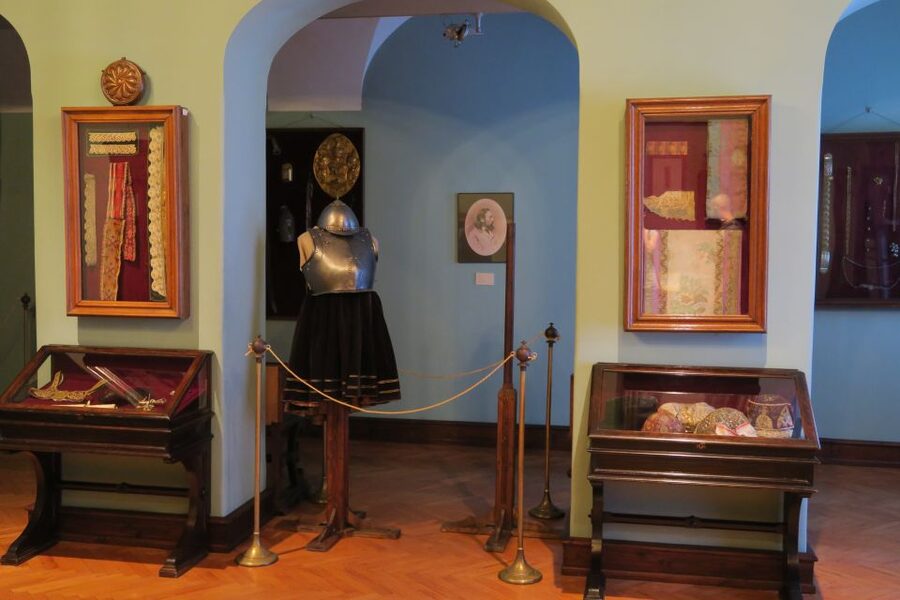
- Matejko’s birthplace and first workshop: See the home connected with Poland’s national painter and picture his family life through rooms, furniture, and personal objects.
- One card, many museums: The pass provides entry to 37 Krakow museums, including Schindler’s Factory, Rynek Underground, MOCAK, and the Old Synagogue.
- Validity needs checking: The details describe the card as valid for two days in one place and three days in another. Confirm the current term at pickup.
- Daily validity, not hourly validity: Once activated, the card remains valid until the end of the stated final day, rather than for a set number of hours.
- Central pickup point: Collect the card at Krakville Tours, Sienna 17, open daily from 10:00 AM to 7:00 PM.
- Plan around closures: Some museums close on Mondays, and final admission to exhibitions is usually 90 minutes before closing.
Entering Jan Matejko House in Krakow
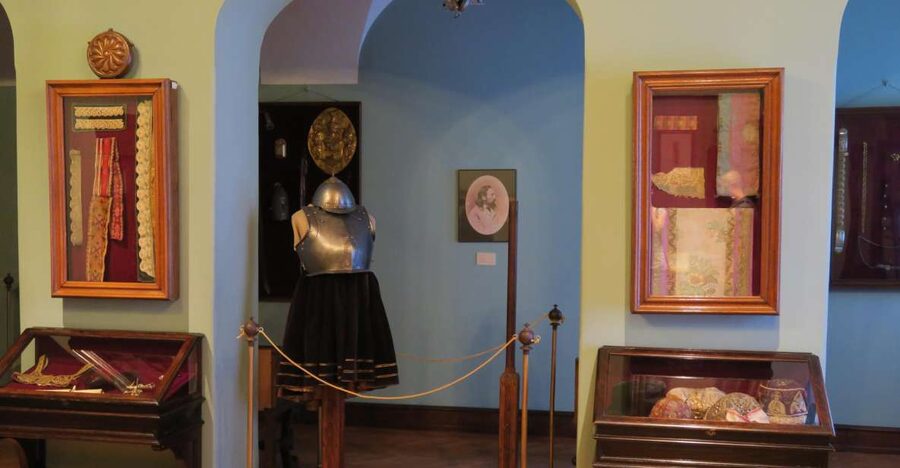
Jan Matejko House is the heart of this experience. Matejko is known for paintings that presented Poland’s kings, battles, and turning points in national history. His work helped ordinary people picture important figures as real human beings rather than distant names from a textbook.
The house adds context to that public role. You are not simply looking at finished paintings in a large museum hall. You are walking through the family home and first workshop of the artist, surrounded by objects linked to daily life, relatives, work, and collecting.
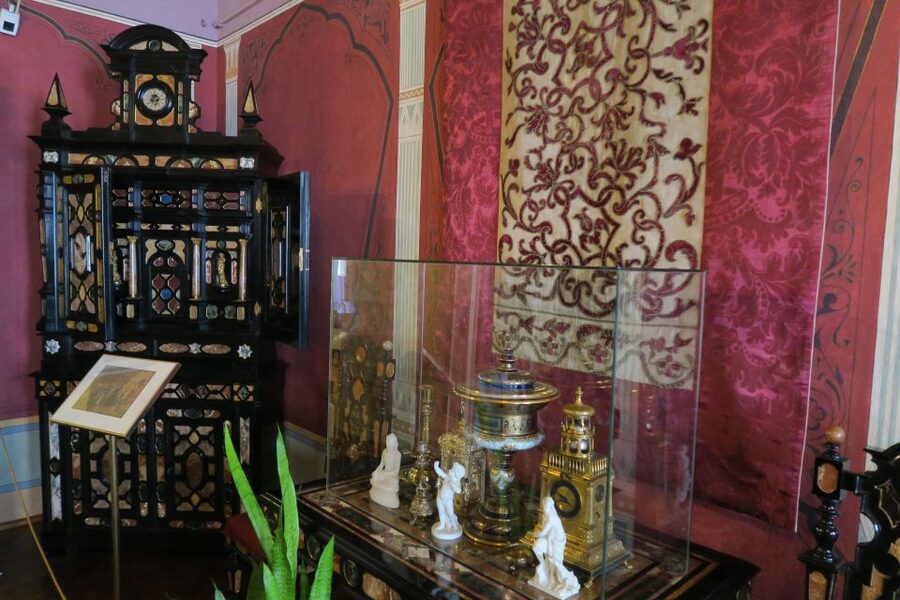
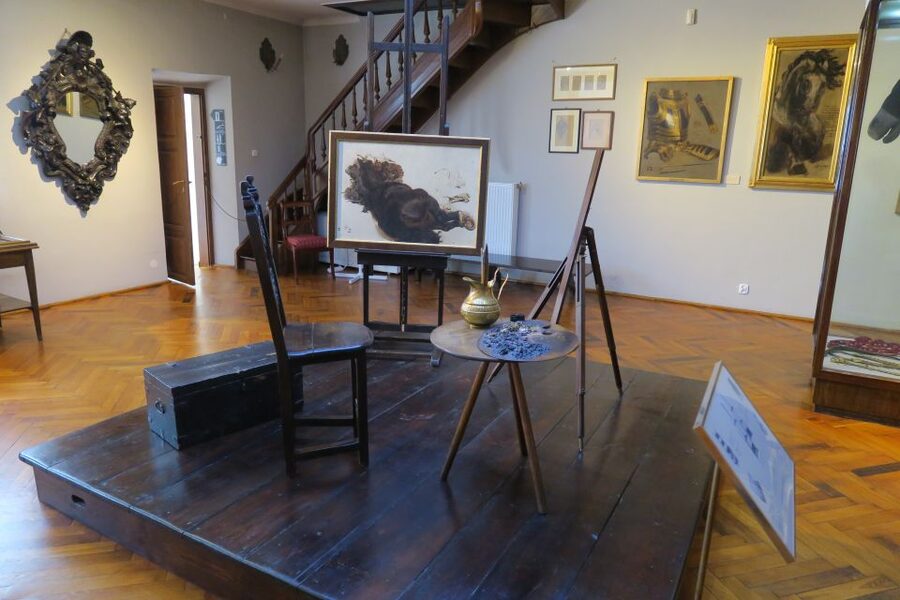
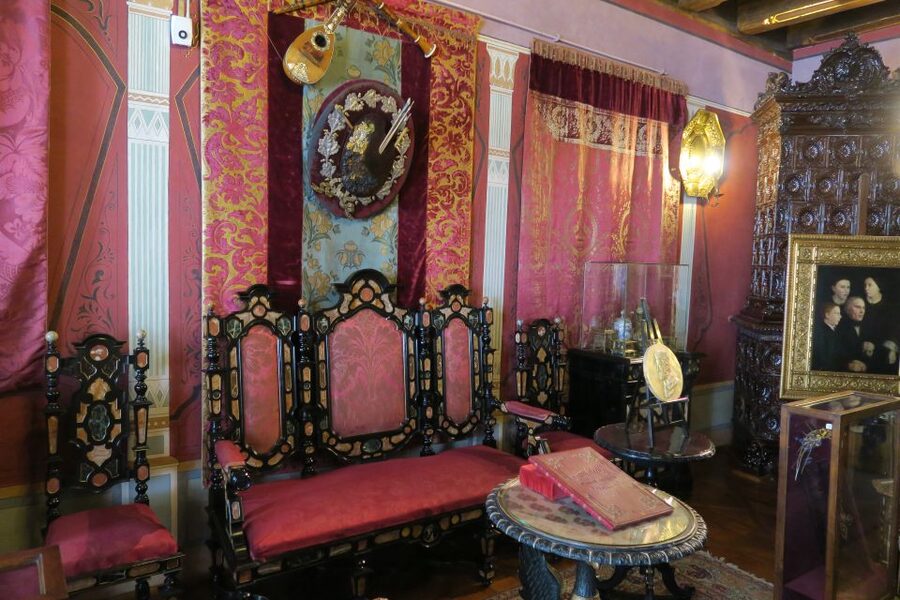
I find this kind of museum useful because it puts the artist’s work on a human scale. Rooms, furniture, memorabilia, fabrics, weapons, ethnographic souvenirs, and decorative objects can tell you how Matejko lived and what caught his eye. The collections also help explain the interests behind his paintings, particularly his attention to Polish rulers, military details, costume, and material culture.
The most praised part of the experience is this sense of presence. The knowledge that Matejko lived and created in the house helps you imagine the painter and his family going about ordinary routines. That is the difference between a historic home and a regular art display. The building itself becomes part of the story.
Do not expect a guided lecture or a large theatrical presentation. The attraction is quieter and more direct. You move through the rooms at your own pace and make connections between the objects and Matejko’s work.
More Museums in Kraków
- Auschwitz-Birkenau Museum and Memorial Guided Tour from Krakow
★ 4.5 · 1,510 reviews - Krakow: Rynek Underground Museum Guided Tour
★ 4.6 · 1,122 reviews - Krakow Schindler’s Factory Museum Guided Tour in English
★ 4.5 · 650 reviews
What you learn about Poland’s national painter
Matejko painted Polish history with a force that made the past feel close. His pictures showed kings and other major figures in ways that encouraged the public to see them as people, not polished symbols. That approach helps explain why he became Poland’s national painter.
At his home, you can focus on the practical side of that achievement. What did he collect? What surrounded him? How did family life fit beside artistic work? The museum’s displays include objects remaining from his relatives, along with artistic craft, textiles, weapons, and ethnographic souvenirs.
These details matter because historical painting depends on more than imagination. Clothing, weapons, furniture, and cultural objects help an artist build a believable past. Even if you are not an art specialist, the collection gives you a clearer idea of the visual world Matejko used.
I would allow enough time to look carefully rather than rushing through the rooms simply to activate the wider card. The house is not described as a guided tour, so your attention makes the difference. Read the displays, notice the domestic objects, and think about how the private home connects to the grand public paintings.
Using the card across Krakow’s museums
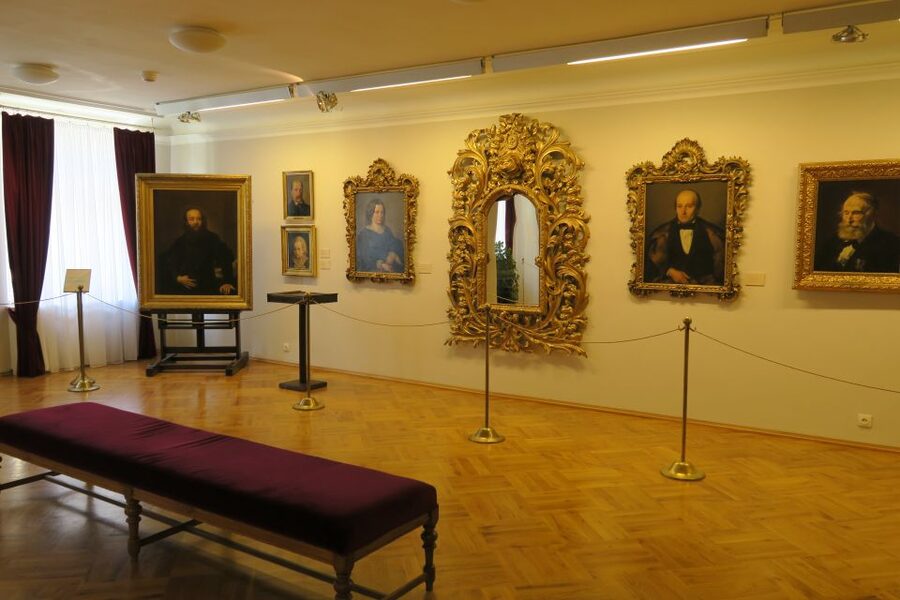
The larger benefit is the access to 37 museums in Krakow. The selection covers art, archaeology, Jewish heritage, military history, local legends, aviation, photography-related archives, and city history.
The card includes several major museums:
- Schindler’s Factory
- Rynek Underground Museum
- Polish Aviation Museum
- Princes Czartoryski Museum, home to Leonardo da Vinci’s Lady with an Ermine
- Main Building of the National Museum
- Gallery of 19th-Century Polish Art in the Sukiennice
- MOCAK
- Old Synagogue
- Galicja Jewish Museum
- The Eagle Pharmacy
- Pomorska Street
- Home Army Museum dedicated to General Emil Fieldorf Nil
- Archaeological Museum
- Ethnographic Museum
- City Defence Walls, Barbican, and Town Hall Tower
The card also covers smaller or more specialized places, including the Bishop Erazm Ciołek Palace, Emeryk Hutten-Czapski Museum, the Hipolit House, the Jozef Mehoffer House, the Szołayski House, the Stanisław Wyspiański Museum, and the Krzysztofory Palace.
Several locations focus on districts and local identity. These include the Podgórze Museum, the Zwierzyniec House, Esterka’s House, and the Centre for Documentation of the Art of Tadeusz Kantor Cricoteka, Archives, Office. The Arsenal, Celestat, Kościuszko Mound, and Legends of Cracow add further variety.
That variety is the card’s strongest practical feature. You can build a museum day around a theme, or stop at a smaller site when rain, tired feet, or changing plans make a major attraction less convenient. You are not locked into a single style of museum.
Choosing the best museums for your time
With only two or three days, depending on the current card terms, you cannot give every museum equal attention. I would choose a few major stops and use the smaller museums as optional additions.
For a first visit to Krakow, Schindler’s Factory and Rynek Underground are likely to be among the most useful inclusions. They address different parts of the city’s story, so pairing them gives you a broad introduction. The Princes Czartoryski Museum is especially appealing if you want to see Lady with an Ermine by Leonardo da Vinci.
Art lovers have several strong choices. Alongside Jan Matejko House, you can visit the Main Building of the National Museum, the Gallery of 19th-Century Polish Art in the Sukiennice, MOCAK, and museums connected with Jozef Mehoffer, Stanisław Wyspiański, and Tadeusz Kantor.
If you want Jewish heritage and Krakow’s wartime story, consider the Old Synagogue, Galicja Jewish Museum, the Eagle Pharmacy, Pomorska Street, and Schindler’s Factory. These are separate places, so check opening times before setting out.
Archaeology, aviation, and military history are also well represented. The Polish Aviation Museum may require more planning than a central stop, while the Archaeological Museum has several listed branches, including the main building, Nowa Huta Branice, and the underground site beneath the Church of Saint Adalbert.
The card is most useful for people who enjoy adjusting their plans. If you prefer a carefully timed private tour with transport and a guide, this is not that kind of product. It is a self-guided museum pass built for independent exploration.
Something quite different:
- From Krakow: Auschwitz-Birkenau Guided Tour & Hotel Pickup
★ 4.5 · 33,358 reviews - From Krakow: Auschwitz-Birkenau Guided Tour & Hotel Pickup
★ 4.5 · 29,340 reviews - Krakow: Auschwitz Guided Tour with Optional Hotel Pickup
★ 4.5 · 15,280 reviews - Krakow–Zakopane: Cable Car, Chocholow Baths, Cheese & Vodka
★ 5.0 · 10,720 reviews
What the $53 price really buys you
At $53 per person, the card asks you to visit enough museums to make the bundled price worthwhile. The exact value depends on the individual admission prices and on how many included locations you actually use, which are not provided here.
I would not buy it only for Jan Matejko House. The card makes sense when you also plan to visit several of the major included museums. Three or four substantial stops, plus smaller museums near your route, give the pass a better chance of paying off.
The card also has a convenience value. You do not need to buy a separate ticket at every included museum, and the activity information says you can skip the ticket line. That does not remove the need to plan opening hours, but it can make a full museum schedule simpler.
There are limits. Transportation is not included, so you pay for and arrange your own way between museums. Guided tours are also extra. Wawel Cathedral buildings require a separate admission fee, so do not assume the museum card covers every major historic site in the city.
The best financial choice depends on your habits. If you like entering a museum for 30 minutes and leaving when your interest fades, the card can work well. If you want long, careful visits at only one or two locations, individual tickets may be a better fit.
Timing, activation, and the two-day versus three-day issue
The card is valid from first activation, but the supplied details are inconsistent. The headline describes a 3-Day Krakow Card, the duration says valid for two days, and the description also says access for three days.
That is not a detail to ignore. Before collecting the card, ask Krakville Tours to confirm whether your purchase provides two calendar days or three. The instructions also say that validity is counted by days, not by hours. In practical terms, activating it late in the afternoon still uses that calendar day, but the card remains valid until the end of the stated final day.
This makes activation timing important. If you pick up the card in the morning, you can begin using it right away. If you collect it late, think carefully before entering the first museum, since that day will count as the first active day.
Opening hours can change, and some museums close on Mondays. The last admission to other exhibitions is usually 90 minutes before closing. Check official opening times before you build a packed schedule, especially if you are relying on a museum for your final stop of the day.
Collecting the card at Sienna 17
You must collect the Krakow Card in person from Krakville Tours at Sienna 17. The pickup point is open daily from 10:00 AM to 7:00 PM.
This is not a door-to-door experience. You arrange your own transport and make your own way back and forth between the museums. Comfortable shoes are a sensible choice because the card encourages several stops around the city, and the activity ends back at the meeting point in the sense that no transport or guided return is provided.
Large bags and luggage are not allowed, and pets and smoking are prohibited. If you are arriving with suitcases, make a storage plan before pickup. This is a small practical issue, but it can become a nuisance if you treat the card collection as a quick stop between trains and museum visits.
Who will enjoy this museum card most
I would recommend the pass to an independent visitor who wants to see several sides of Krakow. It suits people interested in art, Polish history, Jewish heritage, archaeology, aviation, and local culture, especially if they enjoy choosing their next stop as they go.
It is also useful for repeat visitors who have already seen Krakow’s central sights and want smaller museums such as the Zwierzyniec House, Hipolit House, or Emeryk Hutten-Czapski Museum.
Families may appreciate the range of subjects, but the activity is not suitable for children under 3. Children up to 3 years old are listed as receiving free admission to museums and public transportation, so if you are traveling with a very young child, confirm the current arrangements before booking.
You should think twice if you want a guide to explain Matejko’s work or connect the museums into one clear story. No guided tour is included. The card gives you access, but you provide the route, pace, and interpretation.
Should you book the Jan Matejko House and Krakow Card?
Book it if Jan Matejko’s home appeals to you and you plan to visit several other museums during the same two or three calendar days. The combination gives you a strong mix of personal history, major Krakow collections, Jewish heritage, city archaeology, and modern art.
I would first sketch out a realistic museum plan, then compare that list with the included sites. Make sure the schedule accounts for Monday closures, final admission times, transport between stops, and the separate fee for Wawel Cathedral buildings.
The card is not a shortcut to every Krakow attraction, and it is not a guided cultural tour. It is a flexible admission pass anchored by a memorable historic home. Confirm the validity period at pickup, pack light, wear comfortable shoes, and use the pass only if you are ready to visit more than Jan Matejko House.
FAQ
Where do I collect the Krakow Card?
You collect it from Krakville Tours at Sienna 17 in Krakow. The stated pickup hours are 10:00 AM to 7:00 PM daily.
How long is the card valid?
The card is valid from first activation and is counted by calendar days rather than hours. The supplied details conflict, describing both two-day and three-day validity, so confirm the exact period when you collect it.
How many museums are included?
The card provides free entry to 37 museums in Krakow.
Is Jan Matejko House included?
Yes. Entrance to the Jan Matejko Museum is included in the card.
Is transportation included?
No. You arrange and pay for your own transportation between the pickup point and the museums.
Are guided tours included?
No. Guided tours are not included.
Does the card include Wawel Cathedral buildings?
No. Admission to Wawel Cathedral buildings requires an extra fee.
Are there any museum closure or admission-time issues?
Some museums are closed on Mondays, and the last admission to other exhibitions is usually 90 minutes before closing. Opening hours may change, so check the activity provider’s official information before visiting.
Just added in Krakow
- Auschwitz-Birkenau – Skip the Line Tickets★ 3.5 · 29 reviews
- Auschwitz-Birkenau: Fast-Track Ticket & Guided Tour No Transfers★ 3.5 · 17 reviews
- Zakopane & Sleigh Ride with Bonfire – Group Tour from Kraków★ 5.0 · 2 reviews
- Sleigh Ride & Bonfire in Zakopane with Funicular – Private Trip★ 5.0 · 48 reviews
- Thermal Baths & Zakopane – Private Trip from Krakow★ 5.0 · 1 review
- Zakopane & Gubalowka Funicular – Private Winter Tour from Krakow★ 5.0 · 10 reviews
- Divine Mercy Sanctuary – Private Tour from Krakow★ 5.0 · 4 reviews
- stag dog chase Krakow prank★ 5.0 · 4 reviews