REVIEW · KRAKóW TOURS
Kraków Holocaust Tour
Some streets still carry painful memories. The Kraków Holocaust Tour walks through the former Jewish ghetto, using surviving buildings, wall fragments, squares, and institutions to explain how Nazi ghettos functioned. I like the full-district approach, and I like that a graduate guide in Geography and History connects ordinary places with the wider machinery of occupation. The main consideration is its serious subject matter and brisk two-hour schedule.
This is not a general Kraków sightseeing walk. It is a focused lesson in how the ghetto was organized and what daily life looked like inside it. The tour costs $16 per person, which I consider good value for a guided visit across the whole district, though admission to the Pharmacy Under the Eagle is not listed as included.
In This Review
- Key points about the Kraków Holocaust Tour
- Why Kraków’s former ghetto needs a full walking tour
- Starting with the two surviving wall fragments
- Ghetto Heroes Square and the chairs
- Buildings that reveal how the ghetto operated
- Daily life beyond memorials and dates
- The Pharmacy Under the Eagle as the final stop
- How the Spanish-speaking guide shapes the experience
- Is $16 a fair price for two hours?
- Who should book this experience?
- Final verdict: a serious, useful Kraków walk
- FAQ
- Where does the Kraków Holocaust Tour take place?
- How long does the tour last?
- How much does the tour cost?
- What language is the tour conducted in?
- What should I bring?
- How can I identify the guide?
- Is the tour wheelchair accessible?
- Is food included?
- Is admission to the Pharmacy Under the Eagle included?
- Can I cancel the booking for a refund?
Key points about the Kraków Holocaust Tour
- The entire former ghetto is covered: The walk is designed to go beyond one memorial or museum and explain the district as a complete system.
- Surviving buildings make the history immediate: Old houses and former institutional buildings still give the area much of its wartime appearance.
- Daily life is central to the tour: You learn about housing, work, hospitals, prisons, orphanages, factories, and religious life.
- The two wall fragments are included: These are among the clearest physical reminders of the ghetto boundary.
- The Pharmacy Under the Eagle finishes the route: This important museum adds a personal and institutional perspective to the walk.
- The tour is conducted in Spanish: The guide carries a gray umbrella, making the meeting point easier to identify.
Why Kraków’s former ghetto needs a full walking tour
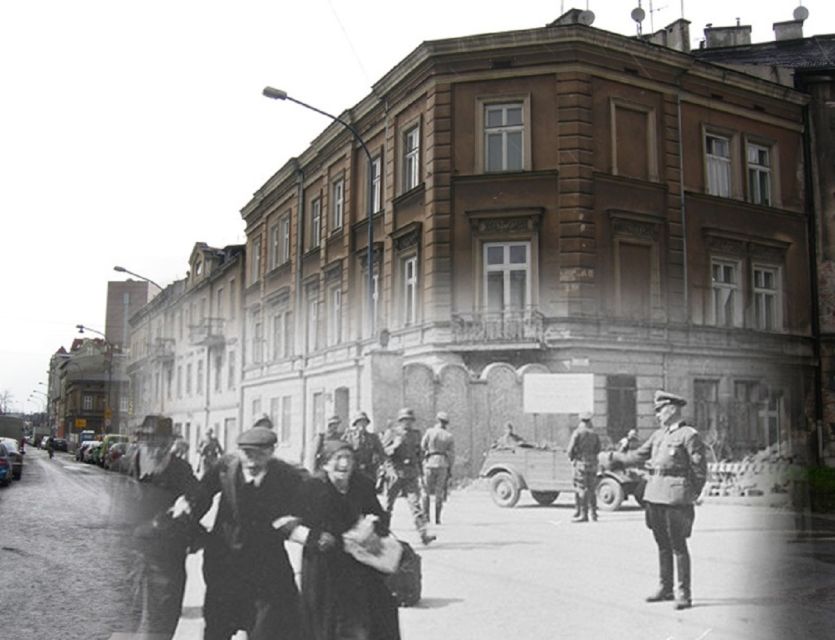
Kraków’s former Jewish ghetto is not presented here as a single memorial stop. It is an entire district, with streets and buildings that help show how the system worked.
That distinction matters. A short visit to one square can leave you with an image of tragedy but little sense of the structure behind it. This tour aims to show how the Nazi authorities controlled movement, assigned institutions, organized labor, and shaped daily life within the ghetto.
I like that approach because the setting does much of the teaching. The area has retained a large number of houses and institutional buildings from the period between 1941 and 1943. You are not only listening to a timeline. You are looking at the places that formed the ghetto’s working environment.
The district’s preserved appearance also gives the tour a serious tone. You should expect a quiet, reflective walk rather than a cheerful city tour with a few historical facts added along the way.
A few more in Krakow
- From Krakow: Auschwitz-Birkenau Guided Tour & Hotel Pickup
★ 4.5 · 33,358 reviews - From Krakow: Auschwitz-Birkenau Guided Tour & Hotel Pickup
★ 4.5 · 29,340 reviews - Krakow: Auschwitz Guided Tour with Optional Hotel Pickup
★ 4.5 · 15,280 reviews
Starting with the two surviving wall fragments
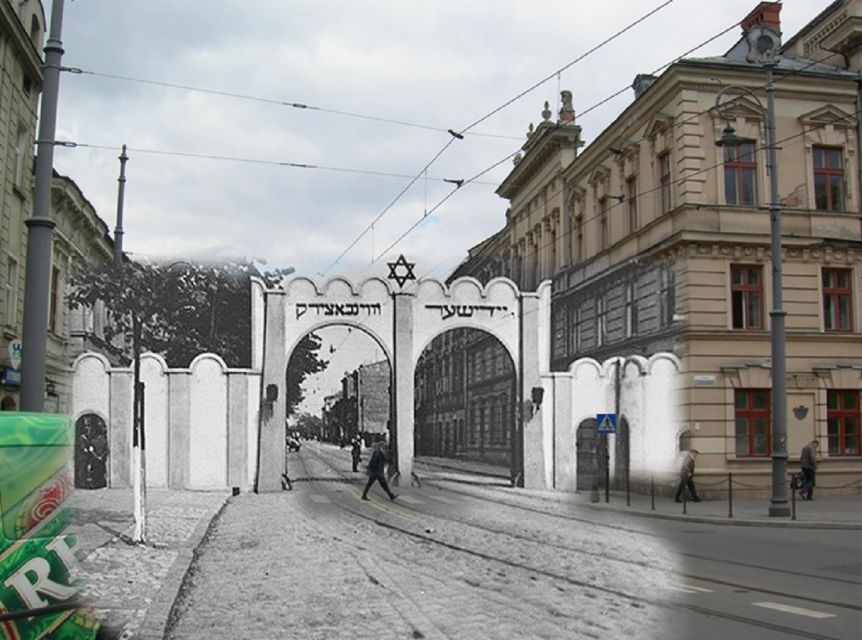
The two remaining fragments of the ghetto wall provide a clear opening point for understanding the district.
A wall is easy to describe in general terms, but seeing a surviving section gives the idea of confinement a physical scale. The guide can explain the purpose of the boundary and how ghettos fit into Nazi policy during the occupation.
The tour’s value here is not only the wall itself. It is the explanation around it. You learn why ghettos were created, how they were controlled, and what they made possible for the occupying authorities.
Because the walk covers the whole former ghetto, these fragments become part of a larger pattern rather than an isolated photo stop. You can connect the boundary with the old doors, administrative buildings, work sites, and residential streets discussed later in the route.
Wear comfortable shoes. The experience lasts two hours and is conducted on foot, so practical footwear will make it easier to concentrate on the guide instead of your feet.
Ghetto Heroes Square and the chairs
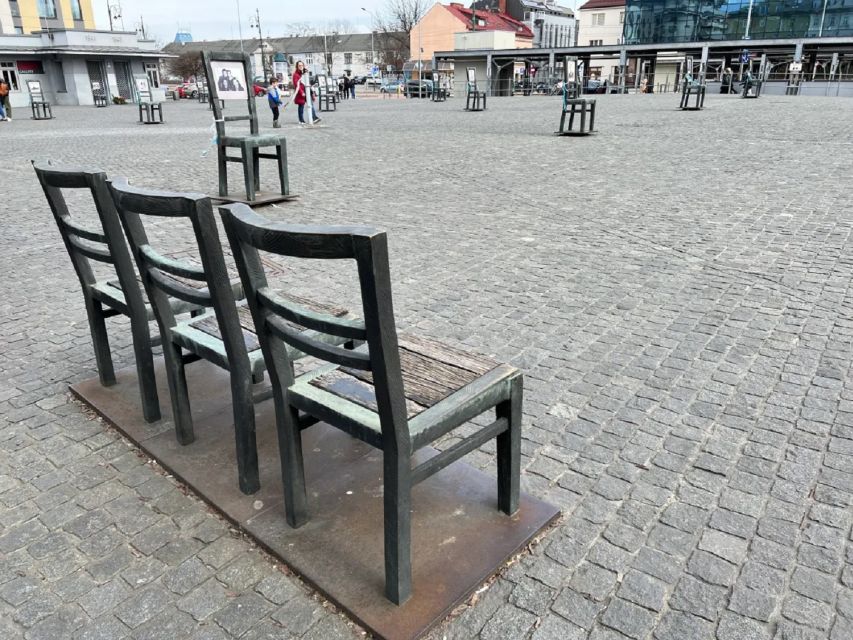
Ghetto Heroes Square, also known as the Square of Chairs, is one of the route’s most memorable public spaces.
The chairs give the square a stark visual character. They are not a casual decoration, and the setting works well with the tour’s focus on removal, displacement, and the loss of ordinary domestic life.
Here, the guide can help you understand the ghetto as a place where families were forced to live under severe restrictions. The square also gives the tour a moment to pause after the more structural discussion of walls and administration.
I find public memorials most useful when they are tied to the surrounding streets. That is what makes this stop stronger than a quick photograph. The square is connected to the buildings and institutions that the tour examines across the rest of the district.
The tour does not treat the square as the end of the story. Instead, it uses the memorial as a point from which to consider how people were housed, controlled, employed, helped, and punished within the ghetto.
Buildings that reveal how the ghetto operated
The strongest part of this experience is likely its attention to the buildings that made the ghetto function.
The route includes important sites linked with intellectual meetings, resistance, police agencies, labor organizations, hospitals, prisons, synagogues, factories, and orphanages. These categories may sound dry on a page, but together they show that the ghetto was not simply a residential enclosure.
It was an imposed system with administration, policing, work, medical care, religious practice, and social welfare. The guide’s job is to explain how those parts related to one another.
You also learn about the Judenrats, the Jewish councils forced to deal with Nazi orders. This is an important subject because it helps explain how Nazi authorities used existing community structures to carry out control.
The route also identifies the locations of old doors and other former access points. These details can be easy to miss if you walk through the district alone. A building may now look like an ordinary apartment block, but the guide places it within the ghetto’s former organization.
That is where the graduate background in Geography and History becomes useful. The tour is not only about naming buildings. It connects location with purpose, showing why a hospital, factory, police agency, prison, or labor office mattered in the daily operation of the ghetto.
Something quite different:
- Krakow–Zakopane: Cable Car, Chocholow Baths, Cheese & Vodka
★ 5.0 · 10,720 reviews - Krakow: Auschwitz-Birkenau Guided Tour with Pickup & Lunch
★ 4.5 · 9,800 reviews - From Krakow: Wieliczka Salt Mine Tour
★ 4.6 · 9,393 reviews - Krakow: Auschwitz-Birkenau Guided Tour Pickup/Lunch Options
★ 4.5 · 9,057 reviews
Daily life beyond memorials and dates
The tour makes daily life one of its main subjects, and that is a welcome choice.
You learn how people lived inside the ghetto, not only what happened to the district as a political event. Questions about work, health, food, family life, religious practice, housing, and movement make the history easier to understand as human experience.
The available details do not promise a fixed list of individual stories, so you should not expect a personal biography at every stop. Instead, the focus is on the system and the places through which daily life was managed.
That wider view suits visitors who want context. You will hear about orphanages, hospitals, factories, labor organizations, and the prison. Each one points to a different part of life under forced confinement.
The discussion of resistance and intellectual meetings also adds needed complexity. People inside the ghetto were not only passive victims of events. The tour includes sites connected with efforts to organize, communicate, and resist, while still keeping the emphasis on the oppressive system around them.
The Pharmacy Under the Eagle as the final stop
The walk finishes with the famous Pharmacy Under the Eagle, one of Kraków’s most important museums on this subject.
Its position at the end of the route makes sense. After seeing the wider district, you arrive at a museum tied directly to the ghetto’s story. The walk gives the museum a physical setting, while the museum can add detail and objects to what you have seen outdoors.
The information provided does not state that museum admission is included in the $16 price. I would check the booking details before departure so you know whether an entrance ticket requires an extra payment.
Ending here also keeps the tour from becoming only an outdoor architecture walk. The route begins with walls, streets, and buildings, then closes with a museum dedicated to the human and historical record of the ghetto.
Allow yourself emotional space for this stop. The subject is difficult, and the full route may feel heavy by the end. That is not a flaw, but it is worth knowing before you book it between lighter activities.
How the Spanish-speaking guide shapes the experience
The live guide speaks Spanish, so this tour is best suited to Spanish-speaking visitors who want explanations rather than a self-guided walk.
The guide is a graduate in Geography and History. That background fits the route well because the tour asks geographical and organizational questions: where the walls stood, how the entrances worked, where institutions were located, and how the district operated as a whole.
The strongest praise attached to this experience focuses on the guide’s information and presentation. The tour has been described as very interesting, well informed, and made enjoyable to follow despite the difficult subject.
That combination matters. A guide can know many facts and still present them in a flat way. Here, the emphasis is on making the material clear and engaging without turning it into entertainment.
At the meeting point, look for the gray umbrella carried by the guide. That is the stated identifying feature, and it should help you find the group in a busy urban area.
Is $16 a fair price for two hours?
At $16 per person, I see this as a strong-value walking tour for anyone seeking a focused history experience.
You are paying for a live Spanish-speaking guide and a route through the complete former ghetto, not just a brief visit to one memorial. The subject matter also benefits from explanation. Without a guide, you might recognize the Square of Chairs or a wall fragment but miss how the institutions fit together.
The value is especially good if you have limited time in Kraków and want one organized introduction to the district. Two hours is long enough to cover a broad area while remaining manageable for most visitors who are prepared for a serious walk.
There are limits. Food and drinks are not included, though that is hardly a concern for a two-hour city walk. The listed price also does not include a stated museum admission, so confirm that point before you arrive.
The current rating is 4.9 from five ratings. That is a very positive result, but the sample is small. I would treat it as encouraging evidence about the guide and presentation, not as a guarantee that every group will have the same experience.
Who should book this experience?
I would choose this tour if you want a clear explanation of Kraków’s former Jewish ghetto and prefer learning in Spanish.
It suits first-time visitors who want context before visiting the Pharmacy Under the Eagle. It also works for returning visitors who have seen the famous memorials but want to understand the wider district.
History students, adults, and older children who can handle the subject matter may find the route especially useful. The guide’s academic background and attention to institutions make it more than a basic sightseeing walk.
You may want to skip it if you are looking for a light introduction to Kraków, a fast photo tour, or a museum-only visit. The route is serious, and the full-ghetto approach means that some stops will be viewed from the outside rather than experienced as major attractions.
The activity is listed as wheelchair accessible, which is helpful for visitors who need that option. Still, because this is a two-hour walking tour through an urban district, you should confirm the exact route conditions when booking if you have specific mobility requirements.
Final verdict: a serious, useful Kraków walk
I recommend the Kraków Holocaust Tour for Spanish-speaking visitors who want the former ghetto explained as a complete place rather than a collection of separate memorials.
Its best features are the preserved setting, the wide range of institutions on the route, and the guide’s focus on how the ghetto worked in everyday terms. The $16 cost is reasonable for two hours with a history graduate leading the walk.
Book it if you want structure, context, and a thoughtful look at the district. Bring comfortable shoes, be ready for difficult subject matter, and check whether the Pharmacy Under the Eagle admission is separate. For a short Kraków experience with real historical purpose, this is a sensible choice.
FAQ
Where does the Kraków Holocaust Tour take place?
The tour takes place in the former Kraków Jewish ghetto in Lesser Poland, Poland. It covers the old ghetto district in its entirety.
How long does the tour last?
The tour lasts two hours.
How much does the tour cost?
The listed price is $16 per person.
What language is the tour conducted in?
The live tour guide speaks Spanish.
What should I bring?
Bring comfortable shoes. The experience involves walking through the former ghetto district.
How can I identify the guide?
The guide will carry a gray umbrella.
Is the tour wheelchair accessible?
Yes, the activity is listed as wheelchair accessible.
Is food included?
No. Food and drinks are not included.
Is admission to the Pharmacy Under the Eagle included?
The provided information does not list museum admission as included. Check the booking details to confirm whether a separate entrance fee applies.
Can I cancel the booking for a refund?
Yes. You can cancel up to 24 hours in advance for a full refund. You can also reserve now and pay later.
Just added in Krakow
- From Krakow: Zakopane Full-Day Tour with Lunch Option★ 4.4 · 62 reviews
- From Krakow: Zakopane and Dunajec River Rafting Tour★ 4.6 · 31 reviews
- From Krakow: Zalipie and Painted Village Guided Tour★ 4.0 · 4 reviews
- From Krakow: Zakopane and Gubałówka Cable Car Private Tour★ 4.3 · 12 reviews
- Zakopane: Snowmobile Ride with Bonfire and Private Driver★ 5.0 · 1 review
- From Krakow: Zakopane Tatra Mountains & Hot Springs Tour★ 3.0 · 29 reviews
- From Krakow: Hot Springs and Zakopane with Gubałówka★ 4.7 · 25 reviews
- From Krakow: Zakopane and the Tatra Mountains★ 4.7 · 36 reviews
Kraków Tours, compared.

Zakopane: Cable Car, Chocholow Baths, Cheese & Vodka
Read our review →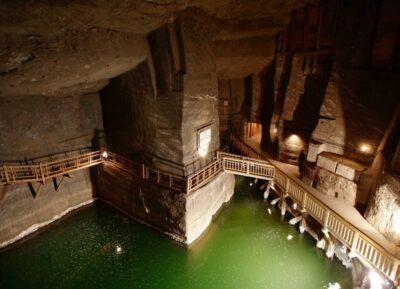
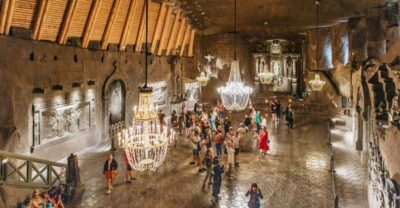
Wieliczka Salt Mine Guided Tour with Transport
Read our review →
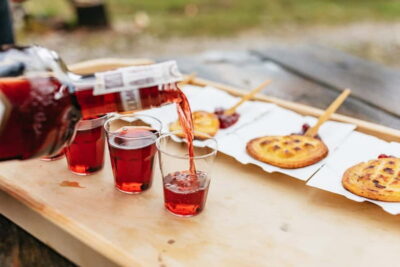
Zakopane Tour with Chocholow Hot Baths and Cable Car
Read our review →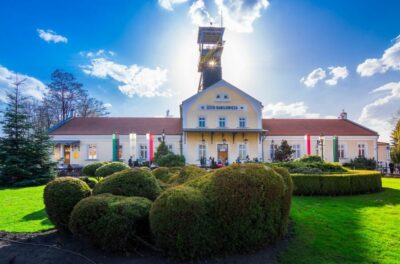
Wieliczka Salt Mine Fast-Track Ticket & Guided Tour
Read our review →
Zakopane, Thermal Springs, Cable Car, Local Tasting
Read our review →