
REVIEW · AUSCHWITZ-BIRKENAU MEMORIAL TOURS
Krakow: Guided Auschwitz Birkenau Tour
Some places demand your full attention. This guided visit to Auschwitz I and Auschwitz II Birkenau gives you a serious, well-organized way to reach one of Europe’s most important memorials from Krakow. I especially like the professional camp guides, who explain the site with care, and the round-trip coach service, which removes the stress of arranging transport to Oświęcim yourself.
The price of $69 is fair for transportation, museum entry, and a guided visit in your chosen language. The main drawback is that the museum controls the schedule, so your start time may change, sometimes sharply. Keep the whole day free rather than building tight plans around the advertised departure.
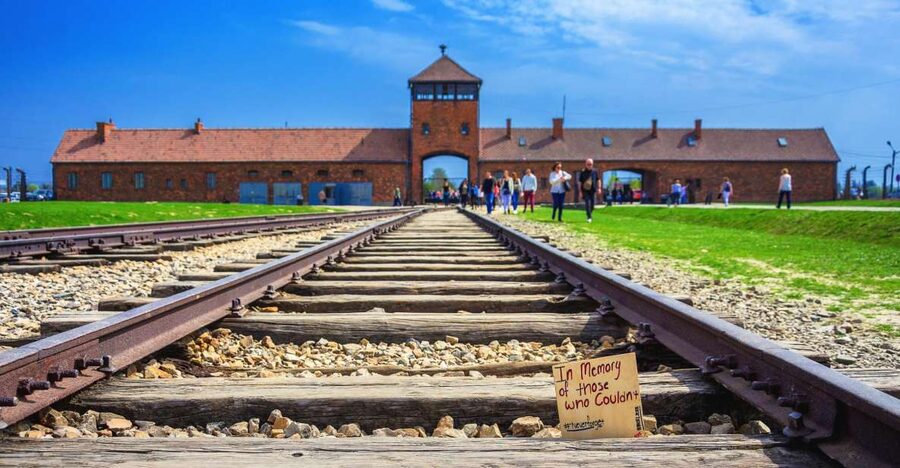
The visit is emotional, quiet, and physically demanding. You’ll walk through preserved prison blocks, barracks, the railway ramp, crematoria buildings, gas chambers, and other original parts of the camps. It is not a light sightseeing stop, but it is a valuable one, especially with a guide who can explain what you are seeing.
In This Review
- Key points to know before you book
- Why this visit matters
- From Straszewskiego Street to Oświęcim
- Auschwitz I: prison blocks and the Death Wall
- The short transfer to Birkenau
- Guides, languages, and the audio equipment
- Is $69 good value?
- Timing changes are the main practical concern
- Who should book this tour?
- Should you book the Krakow Auschwitz-Birkenau tour?
- FAQ
- Where does the tour begin?
- How long does the tour take?
- Does the tour visit both Auschwitz I and Birkenau?
- What identification should I bring?
- Can I bring a large suitcase or backpack?
- Is hotel drop-off included?
Key points to know before you book
- The tour covers both Auschwitz I and Birkenau: You see the more built-up original camp and the much larger Birkenau site.
- The guided portion lasts about 3.5 hours: This includes roughly two hours at Auschwitz I and 1.5 hours at Auschwitz II Birkenau.
- The full outing can take up to seven hours: The drive from Krakow takes about 1.5 hours each way, with a short transfer between the two sites.
- The museum sets the final start time: Your booking time can change, and you should save the entire day for the visit.
- Bring matching identification: Your passport or ID must match the name on the booking, or entry may be refused.
- Pack light and wear good shoes: Large bags are not allowed, and the walking can reach about six kilometres.
Why this visit matters
Auschwitz and Birkenau are not simply historical attractions. They are preserved sites connected to the Holocaust, one of the worst crimes in human history. The UNESCO-listed memorial in Oświęcim contains original buildings, objects, documents, and spaces that help explain how the camp system worked and how imprisoned people were treated.
I find a guided visit especially useful here because the grounds can look deceptively simple. A block of brick buildings, a railway track, or a bare field may not explain itself. A trained guide provides the dates, purpose, and human context needed to understand what you are looking at without turning the visit into a list of grim statistics.
The tone matters. The strongest guiding on this tour is calm, precise, and respectful. Guides such as Martin, Konrad, and others have been praised for clear explanations and thoughtful support, but your actual guide will depend on the date and language selected. Do not expect a theatrical presentation. This place calls for restraint.
You should also prepare yourself emotionally. The tour includes prison rooms, the Death Wall, gas chambers, crematoria buildings, prisoner barracks, exhibitions, and personal objects. Some parts are especially difficult. Give yourself permission to be quiet and to take the experience at your own pace when the group pauses.
More Auschwitz-Birkenau memorial tours:
- From Krakow: Auschwitz-Birkenau Guided Tour & Hotel Pickup
★ 4.5 · 33,358 reviews - From Krakow: Auschwitz-Birkenau Guided Tour & Hotel Pickup
★ 4.5 · 29,340 reviews - Krakow: Auschwitz Guided Tour with Optional Hotel Pickup
★ 4.5 · 15,280 reviews
From Straszewskiego Street to Oświęcim
The usual meeting point is at 14 Floriana Straszewskiego Street in central Krakow, though the exact location can depend on the option you book. Some choices include pickup from that meeting point and round-trip transport, while the tour always finishes back at Straszewskiego 14.
The drive to the memorial takes about 1.5 hours. That road time is not wasted, but it does make the outing a full-day commitment. Coaches and vans have been described as comfortable, with air conditioning noted as a welcome feature during warmer months. The driver or tour leader helps with directions and meeting points, which matters when several groups arrive at the same large site.
Some departures have included an introductory documentary on the way to Auschwitz. This can help you prepare, though you may prefer to rest before the walking begins. The drive passes through villages and the Polish countryside, giving you a quiet transition from Krakow’s busy center to the memorial grounds.
Allow extra time for entry procedures. Lines and security can form when many coaches arrive together. They usually move along, but one especially busy departure involved more than an hour of waiting because many coaches had been scheduled at once. The driver or tour leader should direct you to the right place, but do not assume you will walk straight from the bus to the exhibition.
Auschwitz I: prison blocks and the Death Wall
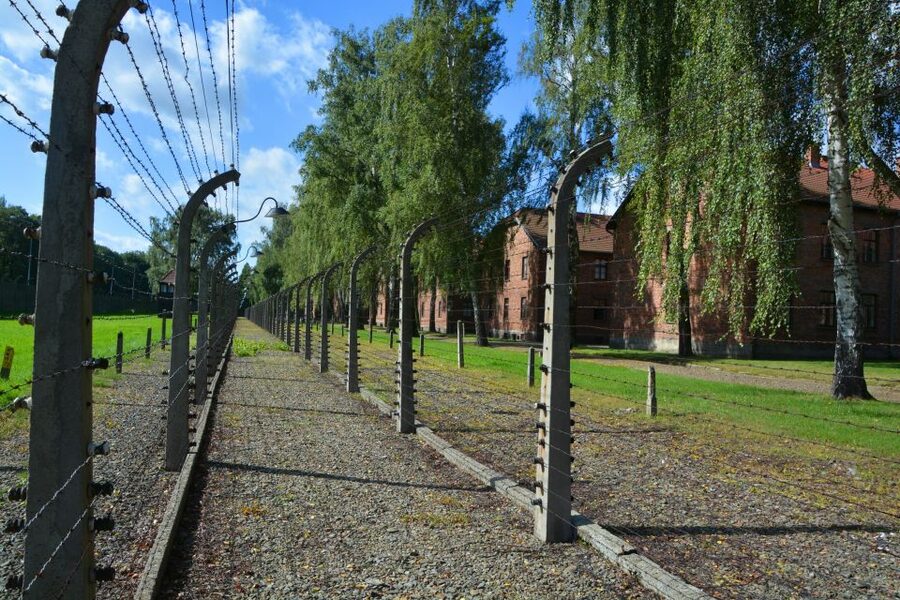
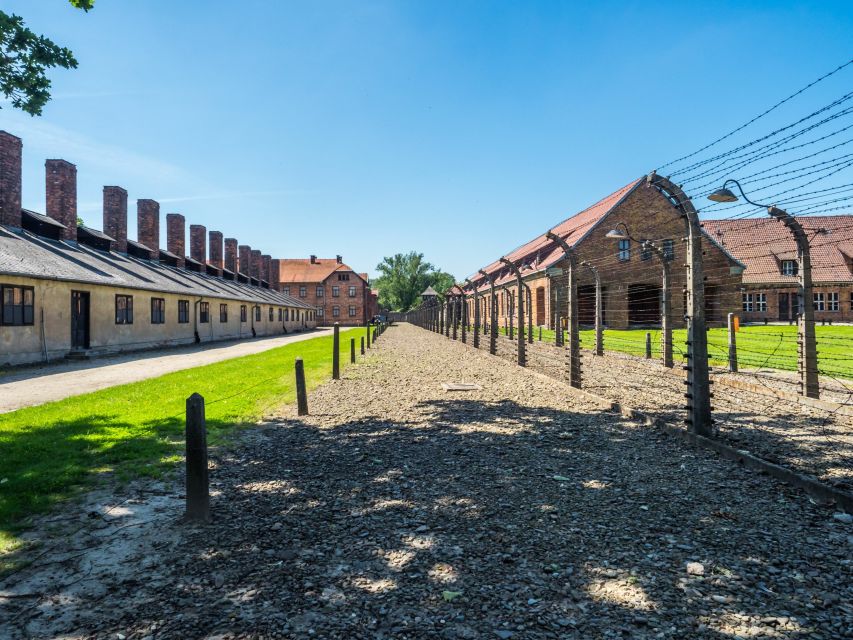
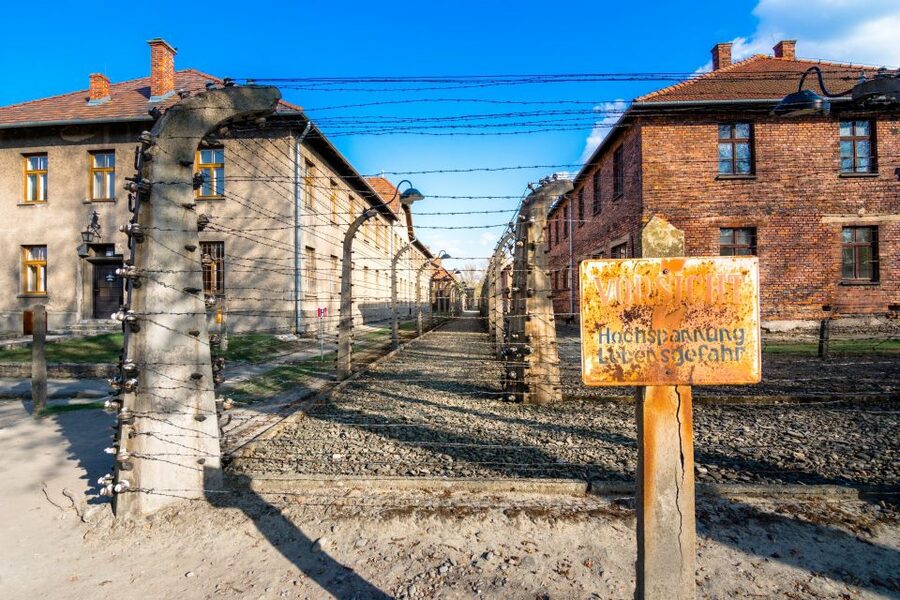
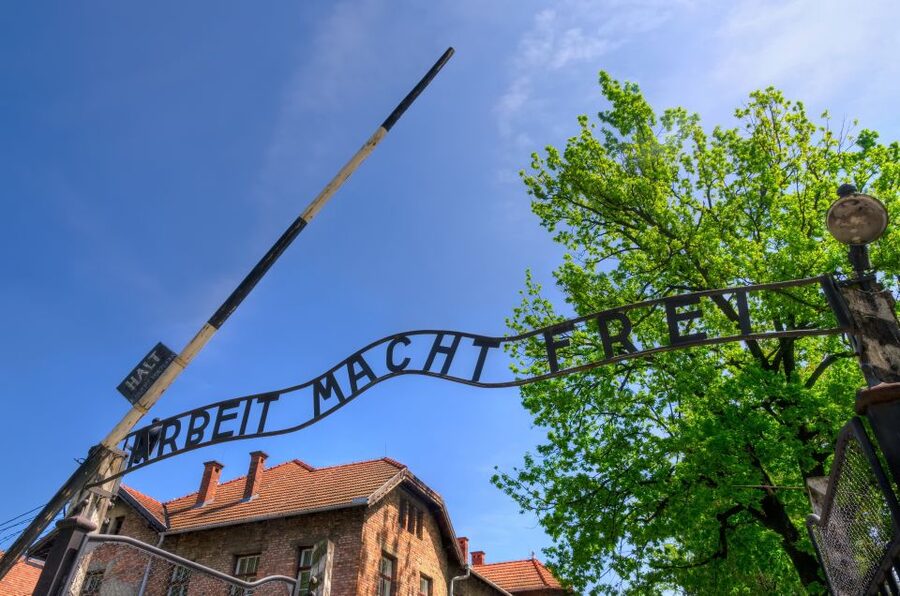
The first guided visit lasts about two hours at Auschwitz I. This is the older camp, with brick buildings arranged along marked paths and open courtyards. Many of the former prison blocks now contain exhibitions.
Inside, you may see prisoner rooms and displays presenting the daily reality of imprisonment. The power of this part of the visit comes from the contrast between the orderly buildings and what happened within them. The guide helps you understand how the camp operated, how people were confined, and how the site was used as part of a wider system of persecution and murder.
The Death Wall is another important stop. Your guide will explain its role and the events connected with it. This is a place where the tone of the group usually becomes even quieter. It is worth listening closely, since the meaning of the site is not always obvious from the structure alone.
You will also visit gas chambers and crematoria buildings at Auschwitz I. The subject is distressing, and the preserved spaces can be hard to process. The guide’s job is not just to give facts, but to help you understand the purpose of each area and the way the camp’s machinery of death functioned.
Many visitors find the exhibitions more powerful than expected because they connect the broad history to individual lives. The displays include original objects and other evidence of everyday camp reality. I recommend staying close enough to hear the guide, while allowing yourself a moment to look quietly rather than rushing from room to room.
One practical limitation is pace. The museum’s visitor service sets the timing, and the group may need to keep moving. One visitor felt there was not enough time to process each display before following the guide to the next point. That is not a flaw unique to this operator, but it is worth knowing before you arrive. This is a structured guided visit, not a slow private appointment.
The short transfer to Birkenau
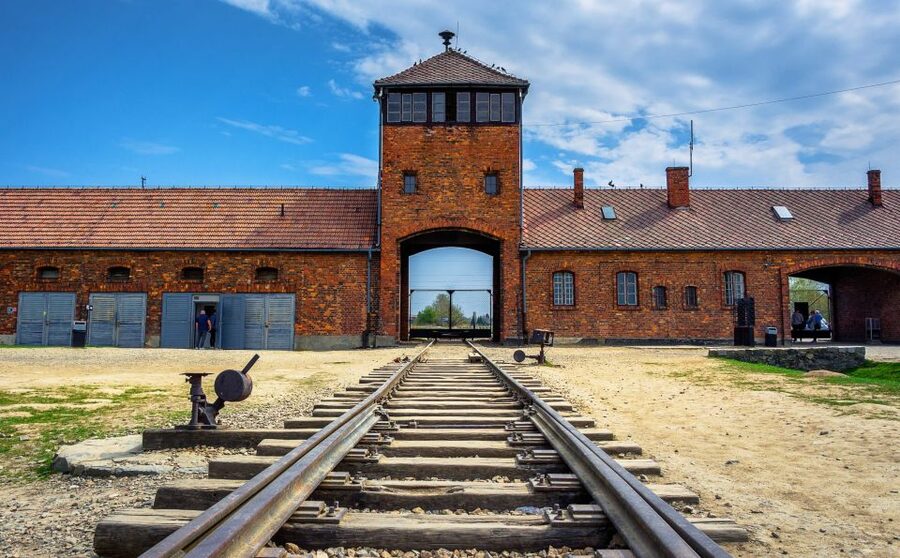
After Auschwitz I, you take a bus for about 15 minutes to Auschwitz II Birkenau. This short transfer provides a small break between the two sites, but the subject does not become easier.
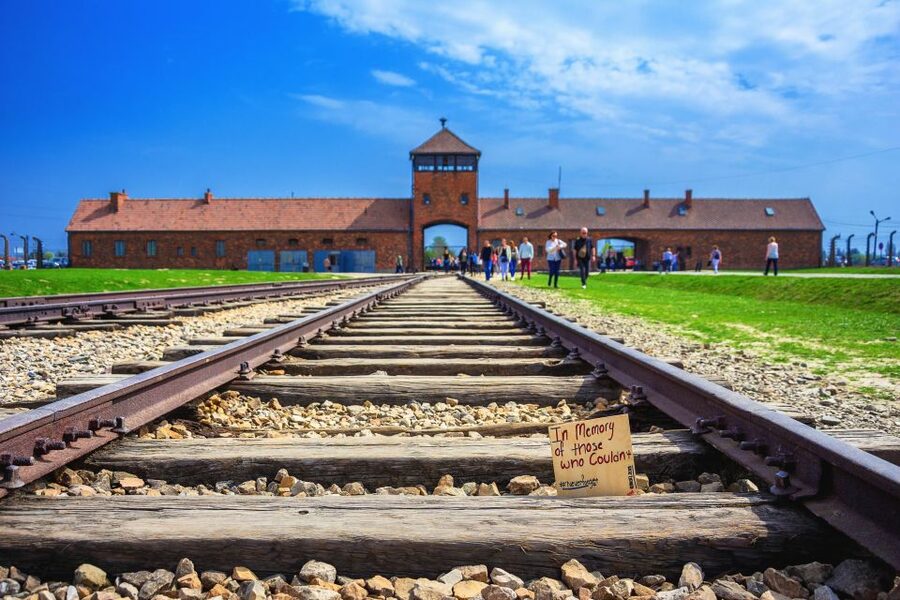
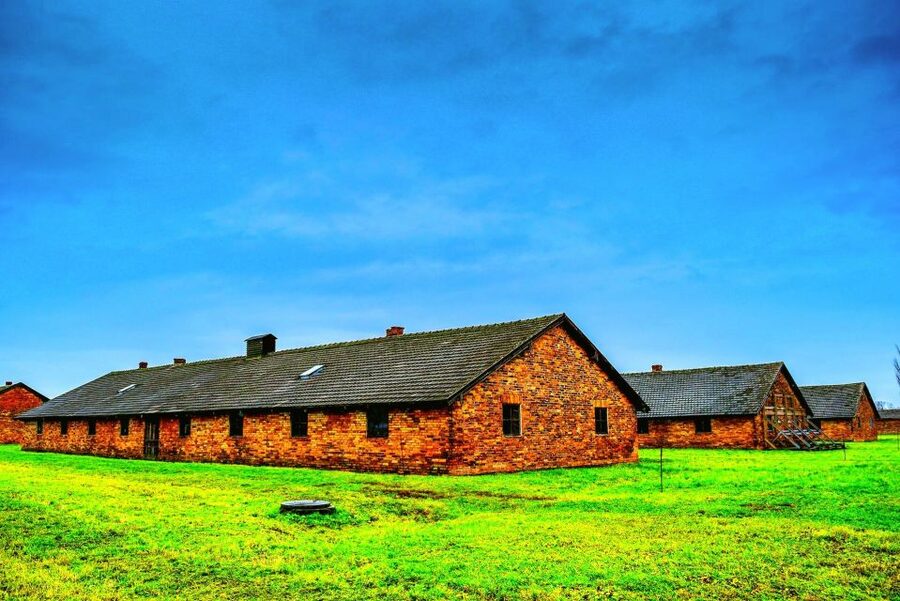
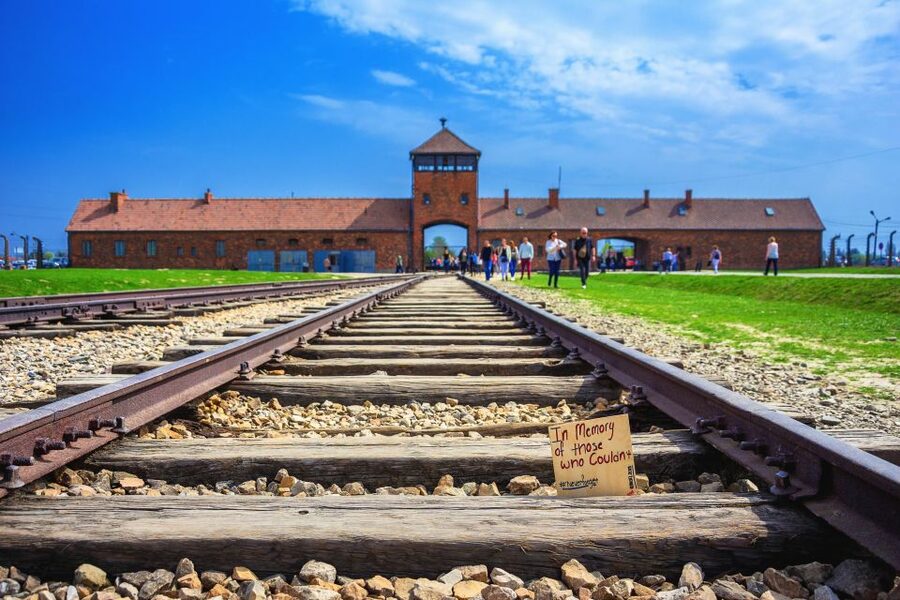
Birkenau is far larger and more open. The scale is one of its defining features. You’ll see the railway ramp, remaining barracks, watch structures, and broad areas where the camp buildings once extended. The setting makes it easier to grasp the size of the operation and the number of people brought here.
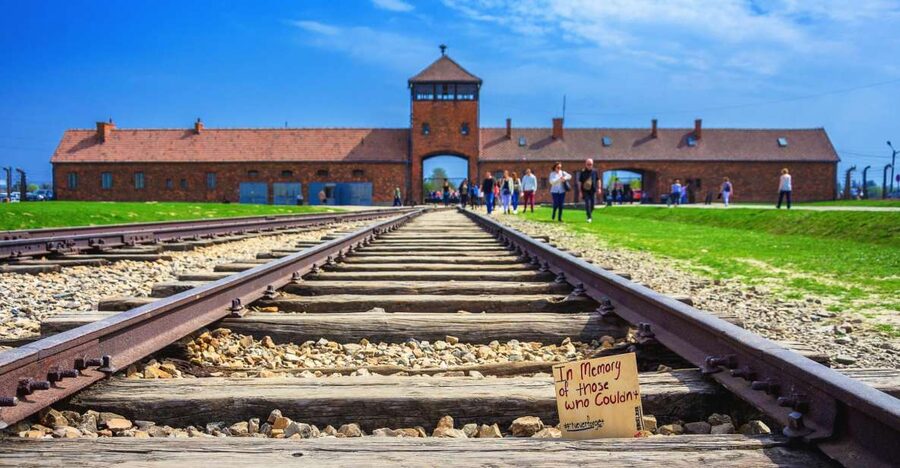
The railway ramp is a particularly important stop. It helps explain how deported people arrived and how the camp system processed them. Your guide will connect the physical route with the decisions imposed on prisoners upon arrival.
The remaining barracks and original objects show the harsh conditions of camp life. At Auschwitz I, the brick blocks can make the site feel contained. At Birkenau, the open ground and long lines of buildings give you a different sense of scale. You may find that the second visit feels less like a museum and more like walking through an enormous historical site.
The Birkenau portion lasts about 1.5 hours. That is enough for a guided overview of the main areas, but it is not enough to examine every surviving detail. Wear comfortable shoes, dress for the weather, and expect a fair amount of walking. One past participant estimated roughly six kilometres across the day.
A few more in Krakow
- Krakow–Zakopane: Cable Car, Chocholow Baths, Cheese & Vodka
★ 5.0 · 10,720 reviews - Krakow: Auschwitz-Birkenau Guided Tour with Pickup & Lunch
★ 4.5 · 9,800 reviews - From Krakow: Wieliczka Salt Mine Tour
★ 4.6 · 9,393 reviews - Krakow: Auschwitz-Birkenau Guided Tour Pickup/Lunch Options
★ 4.5 · 9,057 reviews
Guides, languages, and the audio equipment
You can choose a live guide in English, Polish, French, Italian, German, or Spanish. If too few people select a particular language, the provider may switch the tour to English. That is important if you are booking a less commonly requested departure.
The camp guide is the key part of the experience. Past guides have been praised for speaking slowly and clearly, answering questions, and treating the subject with dignity. One Italian-language group had a guide who kept the schedule, offered help throughout the day, and made the transfers easy to manage.
At least one group used headphones so everyone could hear the guide while walking among other parties. That is useful at a busy memorial, where several groups may be moving through the same buildings. You should still stay near your group and follow instructions, since the schedule and route are tightly managed.
The quality of a guide can shape the day. A strong guide gives historical facts while helping you understand why each building or object matters. Some people may want a more personal or reflective approach, while others prefer a clear factual account. This tour is best for you if you value organized interpretation and a firm route through the main areas.
Is $69 good value?
At $69 per person, I consider this a reasonable price for the package provided. You get entry tickets, skip-the-ticket-line arrangements, transport from Krakow and back when that option is selected, and a live guide in several languages. Arranging all of those pieces separately can be more work, especially when museum entry is controlled and the final time can change.
Skip-the-line access does not mean you will never wait. Security checks and coach congestion can still slow the arrival process. It does mean you are using the organized entry system rather than starting from scratch at the ticket office.
The price does not include food or drinks. A past outing allowed only about 15 minutes for a snack, so bring something with you if you need regular food during the day. Alcohol is forbidden during the tour, and that rule is entirely appropriate for a memorial of this kind.
You do not receive hotel drop-off, even with options that include hotel pickup. The tour returns to Straszewskiego 14 in Krakow. Treat that location as the end point when planning dinner, trains, or another activity.
Timing changes are the main practical concern
The advertised duration ranges from 210 minutes to seven hours, but the detailed route points to a long day: about 1.5 hours to Auschwitz, two hours at Auschwitz I, 15 minutes between sites, 1.5 hours at Birkenau, and 1.5 hours back to Krakow. Traffic, entry procedures, and museum scheduling can affect the final return time.
The museum may change your start time. In one case, an 11 a.m. booking became a 6 a.m. departure with only a day’s notice. That early start worked out, but it required cancelling other plans. I would not book this outing on a day when you have a flight, train, concert, or fixed dinner reservation.
The activity is non-refundable because the museum tickets are issued under its entry requirements. Consider your dates carefully before paying. You also need to bring a passport or ID card, and the name on it must match the booking exactly.
Large bags are not allowed inside. Hand luggage must be no bigger than 30 by 20 by 10 centimetres, or about 12 by 8 by 4 inches. Larger luggage stays on the bus, so do not arrive with a full suitcase unless you have confirmed how it will be handled.
Who should book this tour?
I would choose this tour if you are staying in Krakow and want the simplest way to visit both camps with an organized guide. It suits first-time visitors who want the main sites explained in a clear order, rather than trying to piece together transport and entry on their own.
It is also a good choice if you prefer to travel in a language other than English. The available language range is useful, though you should remember that a low number of bookings can lead to an English-language tour.
I would think twice if you dislike fixed schedules or need long periods alone at exhibits. The group moves according to the memorial’s visitor service, and some sections may feel fast. You should also reconsider if walking several kilometres or standing for extended periods is difficult, since the activity is not suitable for people with mobility impairments.
This is not a family entertainment outing or a casual stop between Krakow attractions. The subject is painful, and younger visitors should be prepared for what they will see. Adults who approach the memorial with patience and respect are more likely to find the visit meaningful.
Should you book the Krakow Auschwitz-Birkenau tour?
Book it if you want a practical, guided visit to both Auschwitz I and Birkenau, and if you can give the entire day to the experience. The transport is a strong convenience, the $69 price is fair, and the guides generally bring clarity and care to a difficult subject.
Do not book it around a tight schedule, and do not expect a leisurely museum visit. Bring matching ID, light luggage, water and food for the day, comfortable clothing, and enough emotional space to take in what you are seeing.
For most people visiting Krakow, I think this is a worthwhile choice. The organization lets you focus on the memorial rather than the mechanics of getting there. Just accept the fixed pace and changing start time before you commit.
FAQ
Where does the tour begin?
The usual meeting point is Parking, Floriana Straszewskiego 14, in Krakow. The exact meeting point can vary according to the option booked.
How long does the tour take?
The activity can last from about 210 minutes to seven hours. The detailed route includes about 1.5 hours of travel each way, two hours at Auschwitz I, 15 minutes between the sites, and 1.5 hours at Birkenau.
Does the tour visit both Auschwitz I and Birkenau?
Yes. The route includes a guided visit to the Memorial and Museum Auschwitz-Birkenau, followed by a separate guided visit to Auschwitz II Birkenau.
What identification should I bring?
Bring a passport or ID card. The name on your identification must match the name provided during booking, or entry may be refused.
Can I bring a large suitcase or backpack?
No. Large luggage is not allowed. Hand luggage must be no larger than 30 by 20 by 10 centimetres. Larger bags must remain on the bus during the visit.
Is hotel drop-off included?
No. The tour ends at Straszewskiego 14 in Krakow. Hotel drop-off is not included, even with options that include hotel pickup.
Just added in Krakow
- Auschwitz-Birkenau – Skip the Line Tickets★ 3.5 · 29 reviews
- Auschwitz-Birkenau: Fast-Track Ticket & Guided Tour No Transfers★ 3.5 · 17 reviews
- Zakopane & Sleigh Ride with Bonfire – Group Tour from Kraków★ 5.0 · 2 reviews
- Sleigh Ride & Bonfire in Zakopane with Funicular – Private Trip★ 5.0 · 48 reviews
- Thermal Baths & Zakopane – Private Trip from Krakow★ 5.0 · 1 review
- Zakopane & Gubalowka Funicular – Private Winter Tour from Krakow★ 5.0 · 10 reviews
- Divine Mercy Sanctuary – Private Tour from Krakow★ 5.0 · 4 reviews
- stag dog chase Krakow prank★ 5.0 · 4 reviews