
REVIEW · MUSEUMS IN KRAKóW
Krakow: Digital Museum Pass with 35 Museums and Attractions
Krakow rewards curious museum hoppers. This three-day pass gives you one simple way to visit major sites such as Schindler’s Factory, the Eagle Pharmacy, and Leonardo da Vinci’s Lady with an Ermine. I like the freedom to build your own schedule, and I like that the card covers both famous museums and smaller places many visitors might otherwise skip.
The main caution is planning. Schindler’s Factory still requires advance booking, the card is counted by calendar days rather than 72 hours, and several museums close on Mondays. The pass is useful, but only if you check opening times before you start tapping it.
In This Review
- Key points about the Krakow Museum Pass
- How the three-day Krakow pass works
- Schindler’s Factory and the Eagle Pharmacy
- Lady with an Ermine at the Czartoryski Museum
- Krakow’s old defenses and medieval center
- Jewish heritage and wartime Krakow
- Polish art, literature, and local homes
- Archaeology, ethnography, and Krakow’s neighborhoods
- Is $27 a good value?
- A practical three-day plan
- Who should buy this pass?
- Should you book the Krakow Museum Pass?
- FAQ
- How long is the Krakow Museum Pass valid?
- How many museums and attractions are included?
- Is Schindler’s Factory included?
- Is Schindler’s Factory open every day?
- Does the pass include public transportation?
- Does the pass include Wawel Cathedral?
- Are temporary exhibitions included?
- Are children free?
- Where do I collect the pass?
- Can I cancel the booking?
Key points about the Krakow Museum Pass
- Three calendar days of museum access: Plan carefully, since validity is counted in days, not hours.
- Schindler’s Factory requires a separate reservation: The pass does not give you a skip-the-line entry there.
- Leonardo’s Lady with an Ermine is included: You can see the famous painting at the Princes Czartoryski Museum.
- A wide mix of Krakow history: The card covers Jewish heritage, World War II history, Polish art, archaeology, military history, and local culture.
- Public transport may be available as an option: Choose the transport version if you want unlimited city buses and trams during the card’s valid period.
- The advertised number needs checking: The experience is described as covering 35 museums and attractions, while the inclusion details say 38. Use the current attached list as your final guide.
How the three-day Krakow pass works
This is not a guided tour with a fixed route. You receive a city pass and use it to enter included museums and attractions over three days. That makes it a good fit for you if you prefer to set your own pace rather than follow a guide from one stop to the next.
You must collect the physical Museum City Pass at one of several locations in Krakow. The exact meeting point can vary depending on the option you book, so check that detail before setting out. The pass gives access to permanent exhibitions, but temporary exhibitions usually cost extra.
The phrase three days sounds generous, but do not treat it as 72 hours. If you first use the card on Tuesday afternoon, that counts as Tuesday, Wednesday, and Thursday. Starting early on the first day gives you more value.
The pass is described in different places as covering 35 or 38 sites. That mismatch is worth noting before you buy. The attached, current list should be your authority, especially if you are choosing the card for one particular museum. A pass is only useful when it covers the places you actually want to see.
More Museums in Kraków
- Auschwitz-Birkenau Museum and Memorial Guided Tour from Krakow
★ 4.5 · 1,510 reviews - Krakow: Rynek Underground Museum Guided Tour
★ 4.6 · 1,122 reviews - Krakow Schindler’s Factory Museum Guided Tour in English
★ 4.5 · 650 reviews
Schindler’s Factory and the Eagle Pharmacy
Oskar Schindler’s Enamel Factory is one of the strongest reasons to consider this card. Its exhibitions connect Krakow’s wartime experience with the story associated with Schindler and the people he helped. It is not simply a display about one famous industrialist. The museum places the period within the wider experience of Krakow under German occupation.
There is an important catch. Your Museum Pass does not reserve your time at Schindler’s Factory. You must book an entry ticket in advance, and the museum is closed every Monday and on the first Tuesday of each month. If this is a priority, reserve it before arranging the rest of your museum days.
The Eagle Pharmacy tells a related story from another angle. Located in the former Krakow Ghetto area, it recalls the pharmacy and its role during the occupation. Its smaller scale can make it a good companion to Schindler’s Factory, especially if you want to connect the large museum’s broad presentation with a more focused site.
Do not leave both until the final afternoon. Schindler’s Factory has a fixed entry system, and the last admission to exhibitions at many museums is usually 90 minutes before closing. That late-afternoon trap can turn a carefully planned pass into a list of doors you never get through.
Lady with an Ermine at the Czartoryski Museum
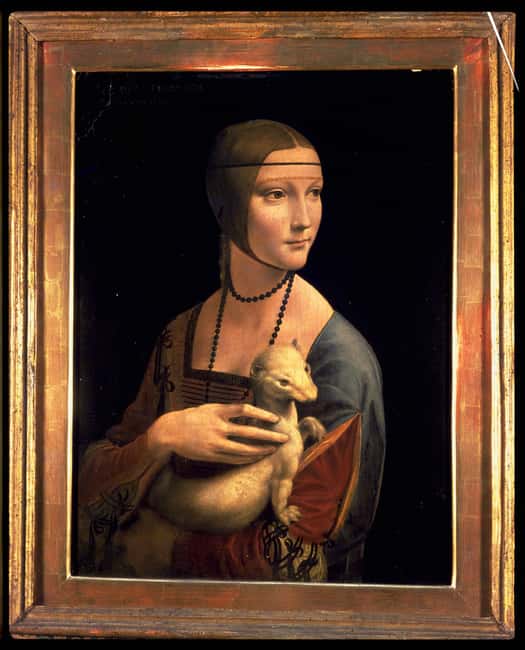
The Princes Czartoryski Museum contains the card’s most famous single artwork: Leonardo da Vinci’s Lady with an Ermine. Seeing a work by Leonardo is a major cultural stop, and it gives the pass value even for a shorter Krakow visit.
The painting is small, so do not expect the scale of a grand altarpiece. Its importance comes from the artist, the sitter, and the work’s place in European art. You will want time to look closely rather than rush past it as one item on a long checklist.
The museum also makes sense as part of a broader art day. The pass includes the Gallery of 19th-Century Polish Art in the Sukiennice, the Main Building of the National Museum, the Jan Matejko House, the Jozef Mehoffer House, the Szołayski House, and the Stanisław Wyspiański Museum.
These stops give you different ways to understand Polish art. The pass is particularly helpful here because you can visit one major collection, take a break, then enter a smaller house museum without buying another full-price ticket.
Krakow’s old defenses and medieval center
The City Defence Walls, Barbican, and Town Hall Tower offer a strong introduction to Krakow’s older civic story. They are compact sites, so they can fit neatly between larger museums.
The Barbican and defensive walls help you picture Krakow as a fortified city. The Town Hall Tower gives another view of the historic center, while the Underground of the Church of Saint Adalbert connects the modern square with archaeological remains below it.
The Archaeological Museum adds more depth. The pass includes its main building, the Nowa Huta Branice location, and the underground site beneath Saint Adalbert’s Church. These are not interchangeable visits. The main building gives you the broadest collection, while the other locations focus on specific places and periods.
The Arsenal is another stop for military and historical material. Celestat adds a different piece of Krakow’s civic story. If you like local institutions that explain how a city developed, these smaller entries can be more rewarding than racing only between headline attractions.
The Krzysztofory Palace and Legends of Cracow bring local tradition into the mix. The exact presentation can vary by exhibition, so check the day’s opening hours. This is one reason I would not schedule every minute around the largest museums.
Something quite different:
- From Krakow: Auschwitz-Birkenau Guided Tour & Hotel Pickup
★ 4.5 · 33,358 reviews - From Krakow: Auschwitz-Birkenau Guided Tour & Hotel Pickup
★ 4.5 · 29,340 reviews - Krakow: Auschwitz Guided Tour with Optional Hotel Pickup
★ 4.5 · 15,280 reviews - Krakow–Zakopane: Cable Car, Chocholow Baths, Cheese & Vodka
★ 5.0 · 10,720 reviews
Jewish heritage and wartime Krakow
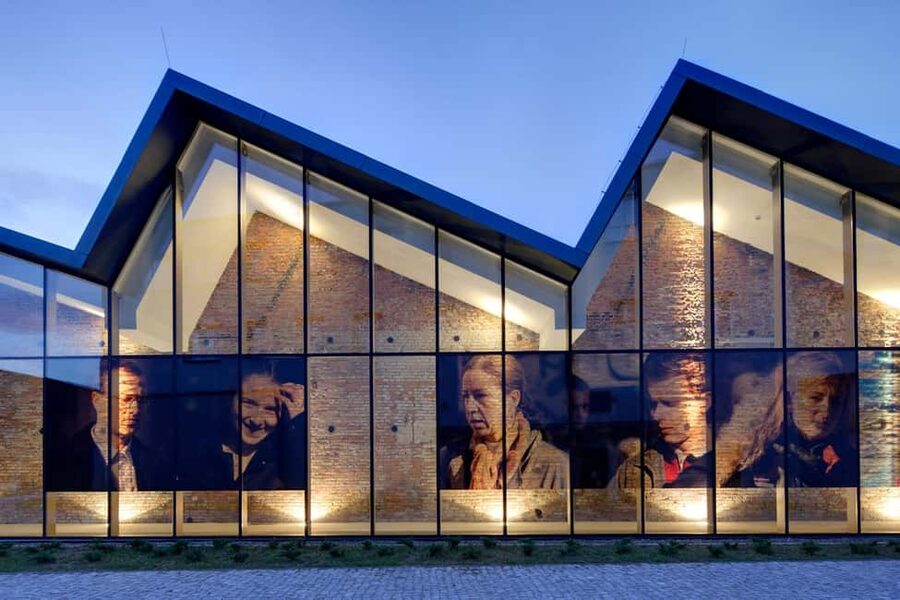
The Old Synagogue and Galicja Jewish Museum are central to understanding Krakow’s Jewish heritage. The Old Synagogue is a historic religious site, while the Galicja Jewish Museum presents cultural memory through exhibitions. Visiting both gives you more than either stop alone.
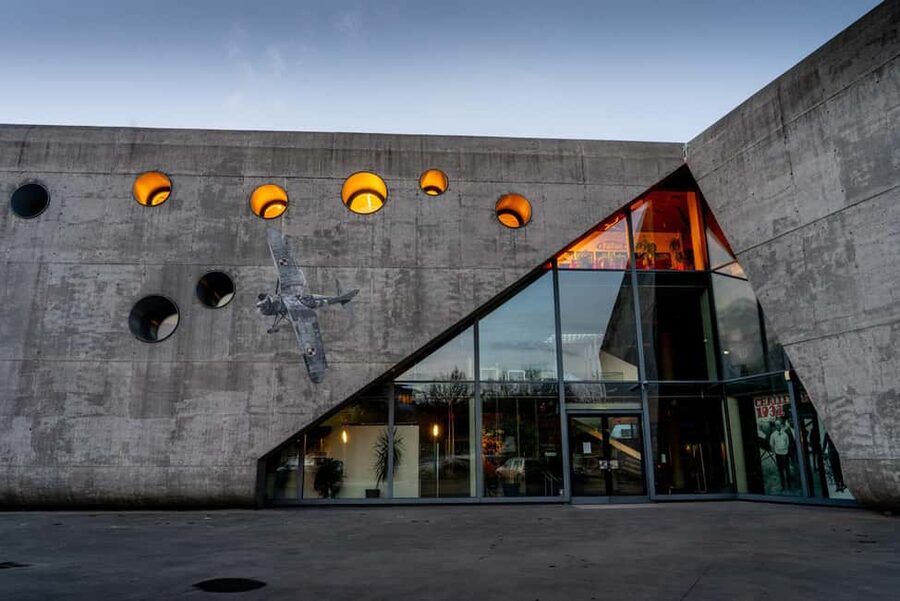
Pomorska Street adds a wartime dimension. The site is associated with the occupation and repression, making it a natural partner for the Eagle Pharmacy and Schindler’s Factory. The Home Army Museum, dedicated to General Emil Fieldorf Nil, widens the story again by presenting the Polish underground resistance.
Podgórze Museum helps place local events within their neighborhood setting. You can use the pass to connect these museums across several days instead of trying to absorb all of Krakow’s difficult history in one long afternoon.
I would leave room between these stops. Museums dealing with occupation, persecution, and resistance demand attention. A pass encourages quantity because entry feels free after purchase, but the best experience may come from visiting fewer places and giving each one enough time.
Polish art, literature, and local homes
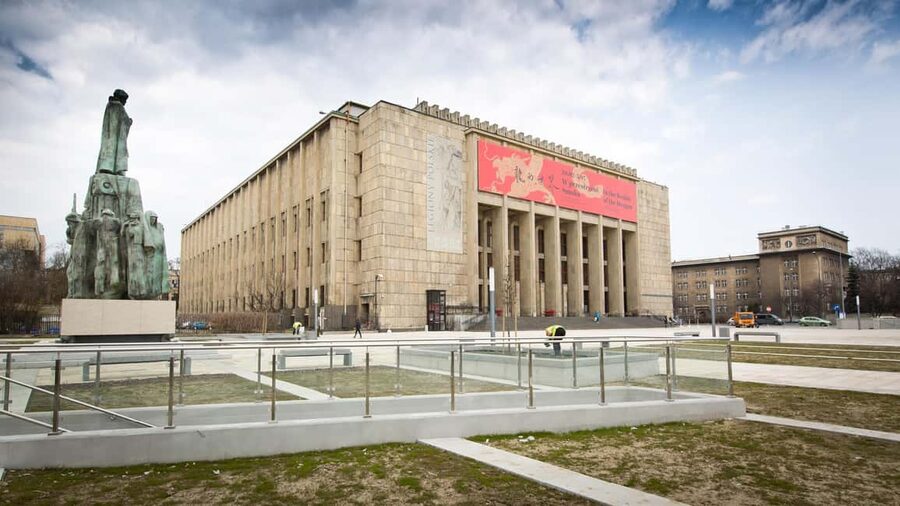
The Main Building of the National Museum is one of the pass’s major art stops. It is a sensible choice if you want a large collection rather than a single historic house. The Gallery of 19th-Century Polish Art in the Sukiennice offers a more concentrated look in a highly central setting.
The Jan Matejko House and Jozef Mehoffer House are more intimate. House museums let you see the connection between an artist’s work and the rooms where that work was made or lived with. The Hipolit House and Szołayski House add further domestic and cultural context.
The Stanisław Wyspiański Museum focuses on another important Polish artist. The Centre for Documentation of the Art of Tadeusz Kantor, Cricoteka, takes you into a more modern and experimental corner of Krakow’s cultural life.
MOCAK, the Museum of Contemporary Art in Krakow, is a useful counterpoint to the historic collections. If you enjoy modern art, give it real time. If contemporary art is not your priority, it is an easy place to cut when your schedule becomes crowded.
The Archdiocese Museum and Bishop Erazm Ciołek Palace add religious art and older Polish works. The Emeryk Hutten-Czapski Museum offers another specialized collection. With so many art-focused choices, you should pick according to your interests rather than attempt every address.
Archaeology, ethnography, and Krakow’s neighborhoods
The Seweryn Udziela Ethnographic Museum and Esterka’s House show everyday culture, folk traditions, and regional identity. These museums can be especially valuable when you want a break from grand paintings and wartime exhibits.
The Zwierzyniec House gives you a look at one of Krakow’s districts, while the Podgórze Museum does the same for another part of the city. Such places help you move beyond the central square and see Krakow as a collection of neighborhoods, not just a historic postcard.
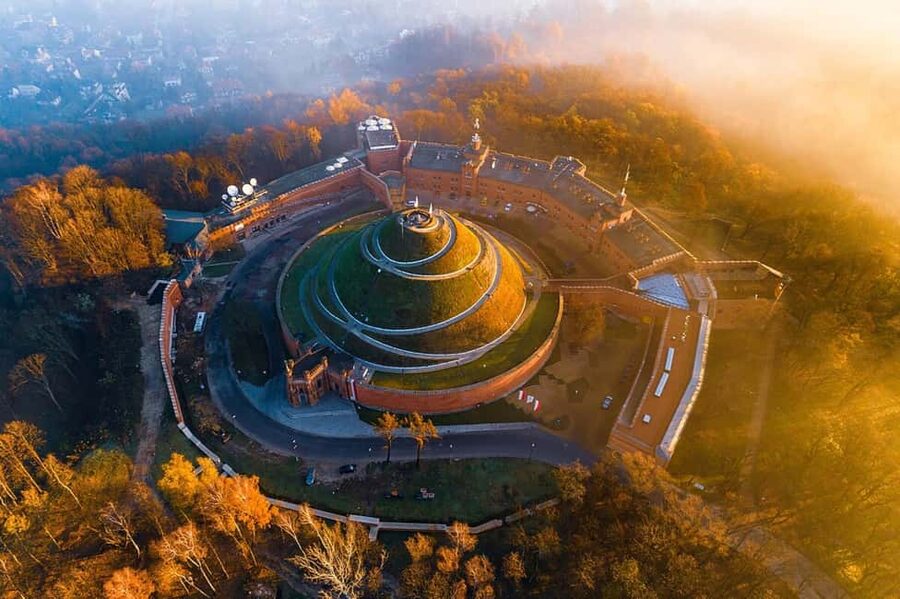
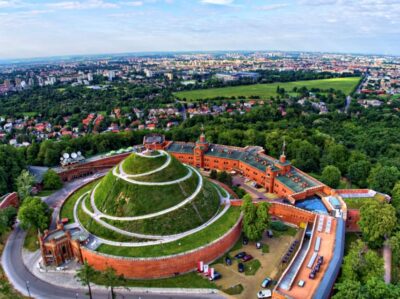
Kościuszko Mound is one of the more distinctive inclusions. It combines a historical memorial with an outdoor visit, giving you a change of pace after several indoor museums. The pass covers entry to the attraction, but the card does not include transportation unless you choose the version with unlimited public transport.
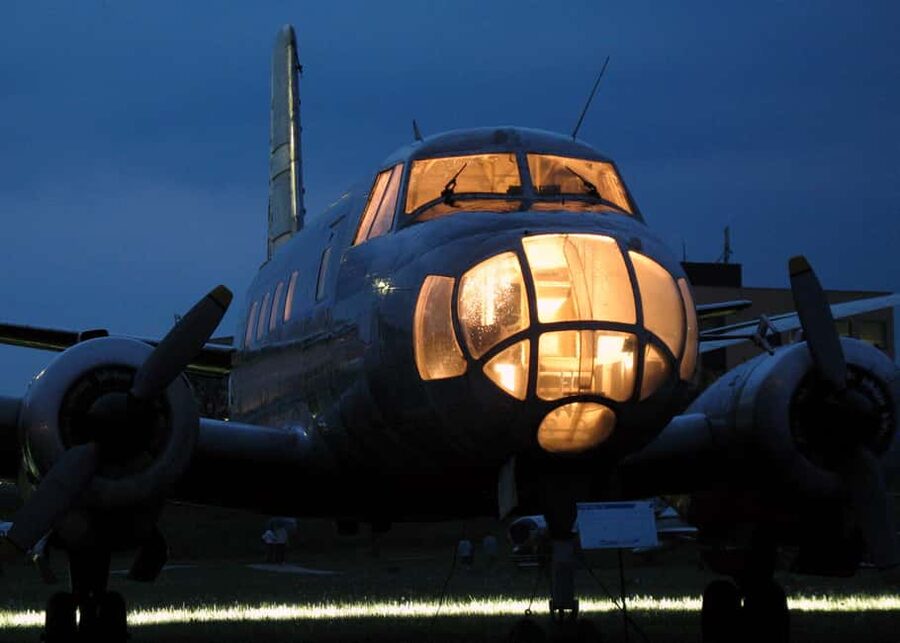
The Polish Aviation Museum is another major change of scene. It is a good choice if you like aircraft, engineering, or twentieth-century history. Its location may require more planning than central museums, so a transport option could matter here.
The pass also includes the Archaeological Museum site at Nowa Huta Branice. Since the card covers different parts of Krakow, you should group visits by area when possible. That saves energy and keeps you from spending your museum day crossing the city.
Is $27 a good value?
At $27 per person, the pass can save money if you visit several included sites. The practical value comes from using it for major admissions such as Schindler’s Factory, the Czartoryski Museum, the National Museum, the Aviation Museum, and several smaller museums.
The card is promoted as costing about the same as two individual tickets while allowing access to many more sites. That can be an excellent deal for an active museum schedule. It is a poor deal if you buy it for one attraction and spend the rest of the three days sightseeing outdoors or visiting places not included.
The transport option changes the calculation. Standard transport is not included, but you can choose a card that provides unlimited city public transport during its valid period. If you plan to visit sites spread across Krakow, the combined museum and transport version may be more useful than paying separately for rides.
Temporary exhibitions are not included. Wawel Cathedral buildings also require an additional fee, so do not assume the pass covers every major Krakow sight. The card is a museum pass, not an all-access ticket for the entire city.
A practical three-day plan
For the first day, I would focus on the old center. Combine the Princes Czartoryski Museum with the Gallery of 19th-Century Polish Art, the Town Hall Tower, the Barbican, and one smaller historic site. This gives you a strong beginning without excessive travel.
Use the second day for wartime and Jewish history. Reserve Schindler’s Factory in advance, then add the Eagle Pharmacy, the Old Synagogue, and either the Galicja Jewish Museum, Pomorska Street, or the Home Army Museum. Do not force all of them into one day if you prefer a slower pace.
Save the third day for your personal interests. Art lovers can choose the Main Building of the National Museum, MOCAK, and one or two artist houses. Families or aviation enthusiasts might prefer the Polish Aviation Museum, Kościuszko Mound, and a neighborhood museum.
Check every opening time before finalizing this plan. Some museums close on Mondays, Schindler’s Factory has additional closure dates, and final admission is usually well before closing. Also check the official organizer’s website because hours can change.
Who should buy this pass?
I would recommend it to you if you enjoy museums, want flexibility, and can commit to at least three or four substantial visits. It is also useful for repeat visitors who have already seen Krakow’s main outdoor sights and want to explore more specialized collections.
Families can benefit, especially because children up to three years old have free access to all museums and public transport. Older children may appreciate the aviation, defensive, archaeological, and wartime sites, though the best mix depends on their interests.
I would hesitate if you want a relaxed holiday with only one museum visit. I would also hesitate if Schindler’s Factory is your only priority, since the pass does not remove the need for an advance reservation. In that case, compare the individual admission costs before buying.
The card is wheelchair accessible, which makes it a practical option for visitors who need accessible entry. Still, individual site conditions and routes can differ, so check with the organizer if a particular museum is essential to your plans.
Should you book the Krakow Museum Pass?
Book it if you will use Krakow as a museum city for three calendar days. The best value comes from combining major museums with smaller places, using the transport version when needed, and planning around closures.
Skip it if you prefer a loose schedule or mainly want Wawel Cathedral, which is not covered, or temporary exhibitions, which require separate payment. Before booking, confirm the current museum list, reserve Schindler’s Factory, and map your chosen sites by neighborhood.
At $27, this is a potentially strong bargain, but it rewards preparation rather than spontaneity. Think of it as a key to many doors, then decide which doors are worth your time.
FAQ
How long is the Krakow Museum Pass valid?
The pass is valid for three days. Its validity is counted in calendar days, not hours.
How many museums and attractions are included?
The experience is described as covering 35 museums and attractions, while the inclusion details state access to 38. Check the current full list attached to your City Pass before planning.
Is Schindler’s Factory included?
Schindler’s Factory is included, but the pass does not provide a skip-the-line ticket there. You must book your entry ticket in advance.
Is Schindler’s Factory open every day?
No. It is closed every Monday and on the first Tuesday of each month.
Does the pass include public transportation?
Transport is not included in the standard pass. You can choose an option with unlimited city public transport during the pass’s valid period.
Does the pass include Wawel Cathedral?
No. Entry to Wawel Cathedral buildings requires an additional fee.
Are temporary exhibitions included?
No. The card is valid only for permanent exhibitions at the listed museums.
Are children free?
Children up to three years old have free access to all museums and public transport.
Where do I collect the pass?
You must pick up the Museum City Pass at one of several locations in Krakow. The meeting point can vary depending on the option booked.
Can I cancel the booking?
You can cancel up to 24 hours in advance for a full refund. A reserve-now-and-pay-later option is also available.
Just added in Krakow
- Auschwitz-Birkenau – Skip the Line Tickets★ 3.5 · 29 reviews
- Auschwitz-Birkenau: Fast-Track Ticket & Guided Tour No Transfers★ 3.5 · 17 reviews
- Zakopane & Sleigh Ride with Bonfire – Group Tour from Kraków★ 5.0 · 2 reviews
- Thermal Baths & Zakopane – Private Trip from Krakow★ 5.0 · 1 review
- Zakopane & Gubalowka Funicular – Private Winter Tour from Krakow★ 5.0 · 10 reviews
- Sleigh Ride & Bonfire in Zakopane with Funicular – Private Trip★ 5.0 · 48 reviews
- Divine Mercy Sanctuary – Private Tour from Krakow★ 5.0 · 4 reviews
- stag dog chase Krakow prank★ 5.0 · 4 reviews
Museums in Kraków, compared.

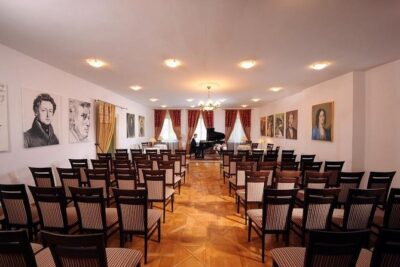
Chopin Piano Concert at Chopin Gallery with a Glass of Wine
Read our review →
Czartoryski Museum Tour / Entrance with Krakow Card
Read our review →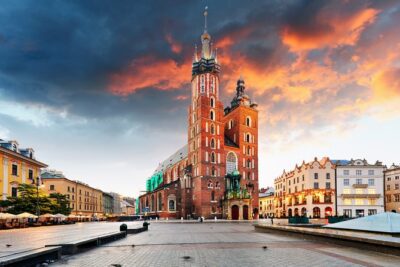
Rynek Underground Museum Skip-the-line Guided Tour
Read our review →
Krakow Arcade Museum Entrance Ticket With Free Play
Read our review →
Browse the lists this tour appears in