
REVIEW · AUSCHWITZ-BIRKENAU MEMORIAL TOURS
Krakow: Auschwitz and Wieliczka Salt Mine Combo Tour
Auschwitz and salt, all in one day. This Krakow combo tour links two UNESCO World Heritage sites that could not feel more different: Auschwitz-Birkenau confronts you with the evidence of Nazi crimes, while Wieliczka reveals an underground world carved from salt. I like the hotel pickup and drop-off, which removes a lot of transport worry, and I like having English-speaking guides at both sites. The main catch is the schedule: some departures begin around 4 or 5 a.m., and the full day can last about 12 hours.
You will travel in an air-conditioned minivan or car, rather than being packed into a large coach. That smaller setup can make a real difference, especially when the driver waits in line while you use the toilet, buy coffee, or get something to eat. Still, this is a demanding day, with outdoor walking at Birkenau, many stairs at Wieliczka, and little room for a slow, relaxed pace.
In This Review
- Key points to know before booking
- Why combine Auschwitz and Wieliczka in one day?
- The early morning drive to Auschwitz-Birkenau
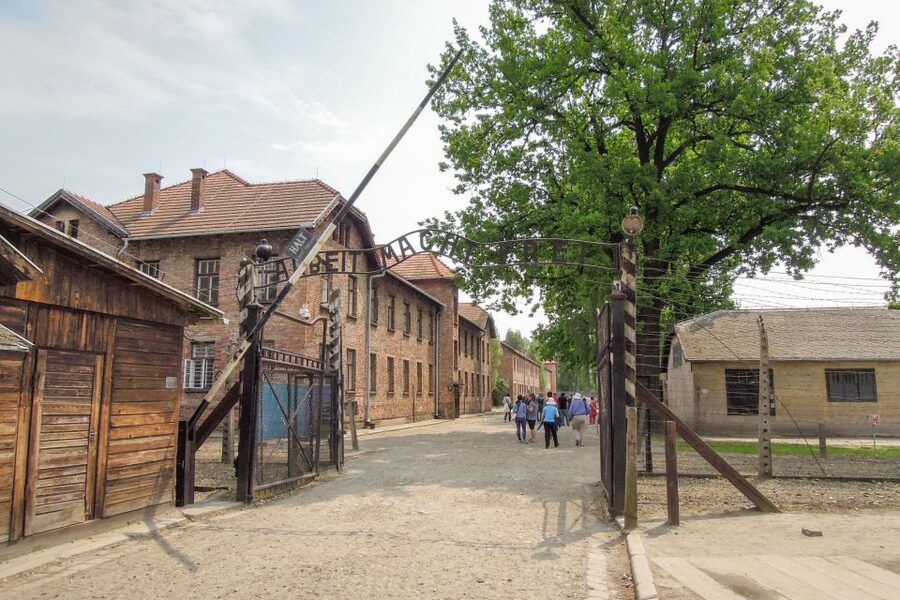
- What Auschwitz I asks you to confront
- Birkenau means more walking outdoors
- The timing at Auschwitz can be unpredictable
- Descending into Wieliczka Salt Mine
- Who will cope best with this full-day plan?
- Is $181 good value for Krakow?
- Six practical ways to make the day easier
- Should you book the Auschwitz and Wieliczka combo?
- FAQ
- How long does the combo tour last?
- Does hotel pickup and drop-off come with the tour?
- Which languages are available?
- What identification do I need?
- How much walking is involved at Wieliczka Salt Mine?
- Is food included?
Key points to know before booking
- A very early pickup may help with Auschwitz entry: Some departure times have shifted from 7 a.m. to 4 or 5 a.m. so the group can get near the front of the line.
- Auschwitz includes both camp sites: You visit Auschwitz I and Auschwitz II Birkenau, including barracks, watchtowers, railway ramps, gas chambers, and crematorium remains.
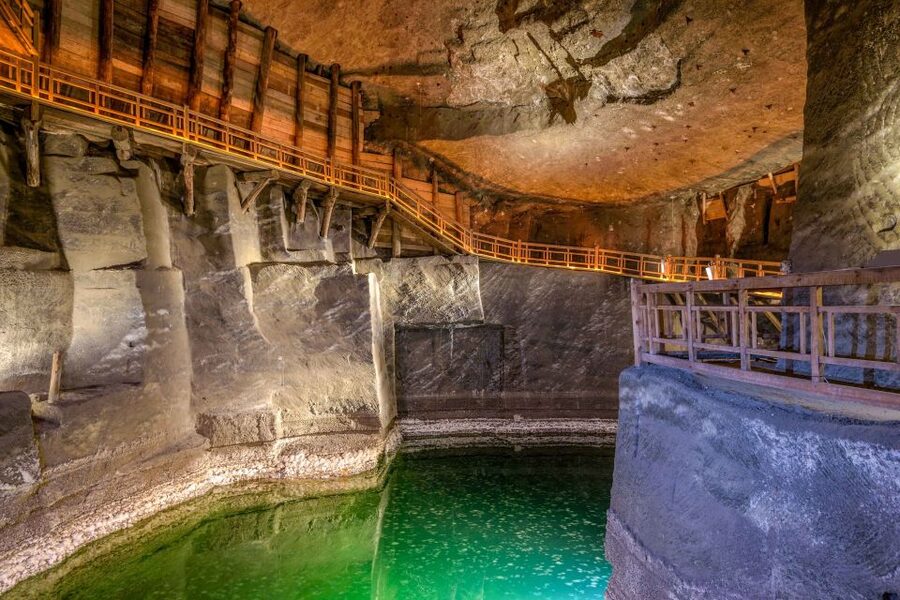
- Wieliczka begins with 378 stairs: You descend to the first level, 64 metres underground, then follow a roughly 3-kilometre route through carved chambers.
- The day can last around 12 hours: Waiting between scheduled entries, driving, and both guided visits make this a full commitment.
- A small vehicle is a practical plus: A minivan carrying about eight passengers has been used, and the driver may handle queues while you take a break.
- Your ID must match the booking: Auschwitz requires your full name and contact details in advance, plus a passport or ID card at entry.
Why combine Auschwitz and Wieliczka in one day?
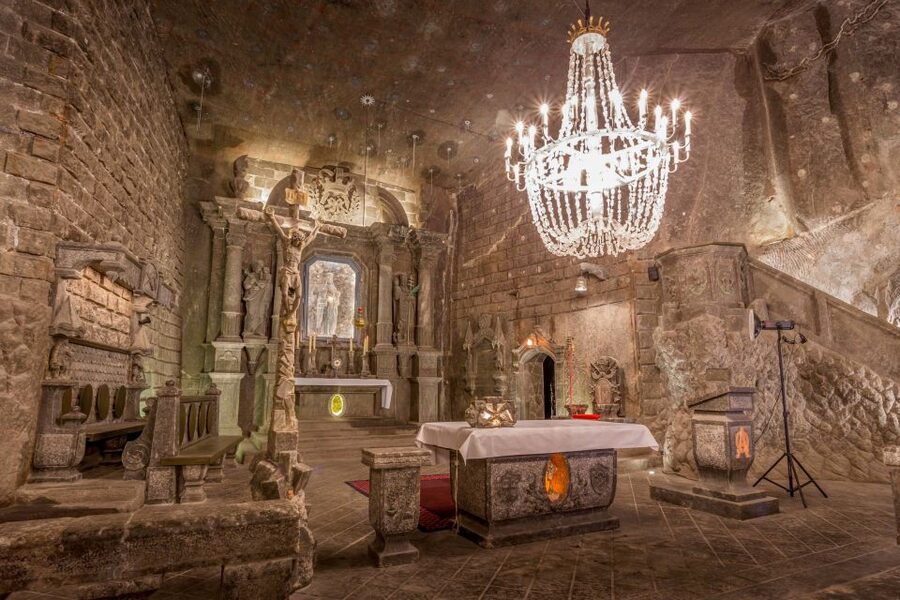
The pairing works because the two places offer very different experiences. Auschwitz-Birkenau is a memorial and museum built around a painful, carefully presented record of mass murder. Wieliczka is an extraordinary industrial site, where miners created chapels, statues, reliefs, and passageways from rock salt over many centuries.
I would not describe the day as light sightseeing. Auschwitz requires attention and emotional energy. Wieliczka requires stamina. Yet combining them can be useful if you have only a few days in Krakow and want to cover two major destinations without arranging separate transport.
The $181 price per person is not cheap. Its value comes from what is bundled into it: hotel pickup and return, transportation, entrance fees, and a guide at each location. You are also paying for someone to manage the route and the awkward timing between fixed museum entries.
If you can easily arrange transport yourself, two separate visits may cost less. If you want the simplest way to reach both sites, especially from central Krakow, the package is easier to justify. The included transport matters most on a day when public transport connections, entry times, and long queues could otherwise become your problem.
More Auschwitz-Birkenau memorial tours:
- From Krakow: Auschwitz-Birkenau Guided Tour & Hotel Pickup
★ 4.5 · 33,358 reviews - From Krakow: Auschwitz-Birkenau Guided Tour & Hotel Pickup
★ 4.5 · 29,340 reviews - Krakow: Auschwitz Guided Tour with Optional Hotel Pickup
★ 4.5 · 15,280 reviews
The early morning drive to Auschwitz-Birkenau
Auschwitz is about 65 kilometres from Krakow, and the ride takes roughly an hour or more depending on traffic and the day’s schedule. The pickup time deserves careful attention. A planned 7 a.m. departure can change to 4 or 5 a.m., often because the operator wants to secure an early position for entry.
That early start is not a small detail. You may spend time waiting before the guided visit begins, sometimes until around 8:30 a.m. The advantage is that you can reach Birkenau before it becomes very busy. The disadvantage is obvious: you will be tired before the serious part of the day even begins.
The minivan arrangement helps. One recent itinerary used a vehicle for about eight passengers, and the driver queued for the group while people went to a restaurant for coffee, food, drinks, or a toilet break. That is a thoughtful bit of practical service. You are not forced to stand in a line with no idea how long it will take.
The exact order of the sites can vary. You may begin at Auschwitz II Birkenau and then visit Auschwitz I, or do them in the reverse order. This flexibility matters when museum entry times change. One schedule began with Birkenau because an English-language guide was not available at Auschwitz I until later.
What Auschwitz I asks you to confront
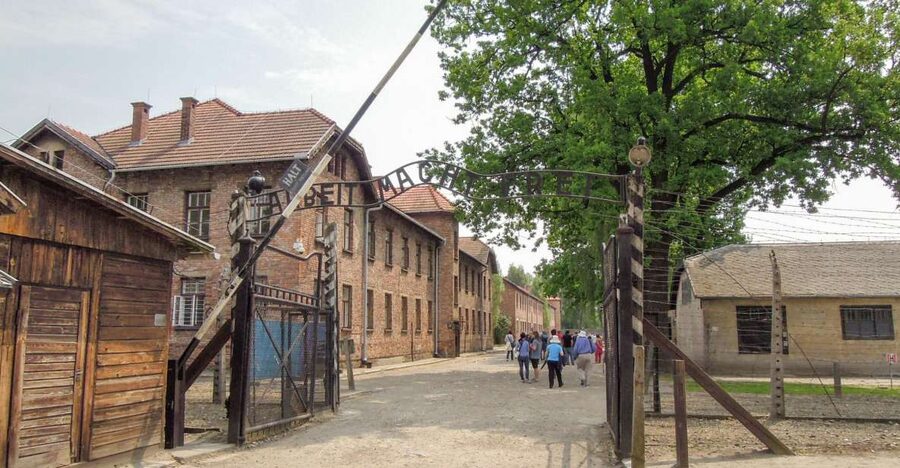
Auschwitz I is the smaller original camp and now houses the main museum displays. The tour explains the camp’s role in the Nazi concentration camp system and shows the surviving buildings and grounds.
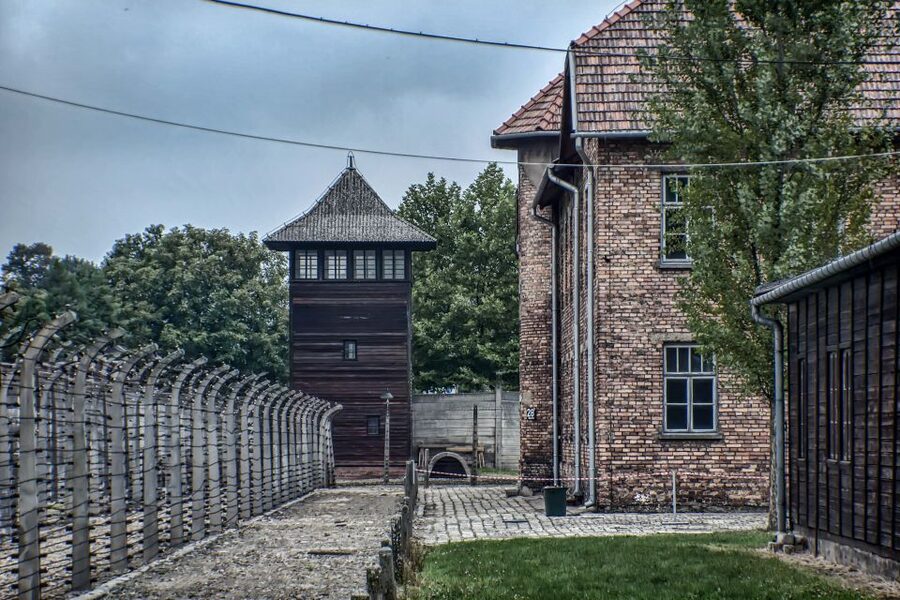
You can expect to see former barracks, watchtowers, and other structures connected to the camp. Exhibits help make the scale of the crimes more understandable through objects and documentation. This is not a quick photo stop. The setting is quiet, controlled, and serious, and your guide provides the framework needed to understand what you are seeing.
The guided format is important here. Moving through the site without context can leave you with a collection of grim images but little sense of how the camp functioned. An English-speaking guide helps connect the buildings, displays, and timeline.
Allow for a sober experience. Auschwitz is not a place to rush through or treat like an ordinary attraction. You will be walking, listening, and taking in material that can be distressing. The tour is valuable because it presents the site directly, without softening what happened there.
Birkenau means more walking outdoors
Auschwitz II Birkenau is much more open and spread out. The second part of the visit can be up to 70 percent outdoors, so you need clothing suited to the forecast, even in warmer months.
Here you see the enormous scale of the former camp, including the railway ramp, watchtowers, barracks, and the remains of gas chambers and crematoriums. The open setting can make the size of the site easier to grasp, but it also means exposure to sun, rain, wind, snow, or mud depending on the season.
Wear sensible shoes. You do not need elaborate hiking gear, but this is not a polished city walk. Keep your hands free where possible, and remember that the maximum hand-luggage size is about 30 by 20 by 10 centimetres, roughly the size of an A4 sheet. Larger bags can be left in the locked bus parked near the museum.
Bring your passport or ID card. Your name on the booking must match the document you present at entry, and the museum can refuse admission when the details do not match. This is one of those small rules that can decide whether the day works at all, so check the spelling carefully when booking.
More Wieliczka Salt Mine tours:
- From Krakow: Wieliczka Salt Mine Tour
★ 4.6 · 9,393 reviews - Krakow: Auschwitz-Birkenau and Salt Mine Guided Tour
★ 4.7 · 9,020 reviews - Krakow: Wieliczka Salt Mine Guided Tour with Transport
★ 4.4 · 7,429 reviews - Krakow: Wieliczka Salt Mine Fast-Track Ticket & Guided Tour
★ 4.5 · 5,872 reviews
The timing at Auschwitz can be unpredictable
The main weakness of the combo is that fixed entry systems do not always produce a neat timetable. You might have a very early pickup, a wait before the first guided entry, and a change in the order of the two camp sites.
The driver can make this easier by explaining the process and keeping the group together. A driver named Max received particular praise for explaining what everyone needed to do and checking that people were comfortable. That kind of help is useful when you are tired and dealing with an unfamiliar museum system.
Do not expect hours of free time at Auschwitz. The actual guided portions may feel shorter than you imagine, with some schedules allowing roughly one and a half to two hours at each major tour. The day is built around access and transport, not lingering at every display.
That limitation is worth accepting before you book. This package gives you an organized introduction to Auschwitz, not a private, slow study visit. If Auschwitz is your main reason for coming to Krakow, you may prefer to give it a full day on its own.
Descending into Wieliczka Salt Mine
After Auschwitz, the tour continues to Wieliczka, about a 40-minute drive from Krakow, though the total timing depends on the day’s order and waiting periods. The mine changes the mood completely. Instead of open fields and memorial buildings, you move below ground into a network of chambers cut through salt.
The visit begins with 378 stairs down to level one, 64 metres underground. That number is worth taking seriously. You do not need to sprint, but you should be comfortable with repeated stair use and several kilometres of walking.
An English-speaking guide explains the safety rules before you proceed. The route then covers about 3 kilometres and passes through chambers decorated with salt carvings and statues. The underground setting gives the tour its character, but it also makes comfortable shoes and practical clothing important.
The best part is the craftsmanship. Miners created religious figures, decorative reliefs, and other carvings from the salt itself. You are not simply looking at tunnels. The route shows how a working mine also became a place of art and devotion.
At the end, there is time for the souvenir shop and snack bar. A high-speed lift returns you to the surface. After the long Auschwitz visit, that lift is welcome, although the route itself remains physically active.
Who will cope best with this full-day plan?
This tour suits you if you have limited time in Krakow, want both major sites, and prefer someone else to manage the driving and entries. It is also a good choice if you are uneasy about finding the correct transport connections outside the city.
A small group can be more comfortable than a full coach. You spend less time loading and unloading, and the driver can give direct instructions. Hotel pickup and return are especially useful if you are carrying a day bag or staying somewhere without an obvious meeting point.
The tour is less suitable if you dislike early mornings, need regular rest, or want to explore each site at your own pace. Wieliczka involves stairs and a long walking route, while Birkenau involves substantial outdoor time.
Mobility is a real consideration. The combination of 378 stairs, the underground route, and walking around the Auschwitz sites makes this a poor fit for anyone with significant mobility issues. The supplied information does not promise an alternative accessible route, so ask before paying if this affects you.
Food and drinks are not included. You will have opportunities to buy refreshments during breaks, but carry enough water and a small snack for the day. Keep your bag within the Auschwitz size limit.
Is $181 good value for Krakow?
The price sits in the premium range for a day trip, so value depends on what you need. If you compare it with admission and transport alone, the package includes a useful set of services: both entrance fees, an air-conditioned vehicle, hotel pickup and return, and professional English-speaking guides.
The biggest saving is not just money. It is time and mental effort. You avoid working out how to reach Auschwitz, how to continue to Wieliczka, and how to return to Krakow after a very long day.
The downside is that you cannot easily change plans once the day begins. The activity is non-refundable, and Auschwitz tickets are tied to the name and contact details supplied during booking. A valid student ID may qualify you for a student discount at both sites, but you must show the ID at Wieliczka and carry acceptable identification for entry.
I would call the price reasonable for convenience, but not a bargain. It makes the most sense when you value door-to-door transport and a managed schedule more than the lowest possible cost.
Six practical ways to make the day easier
- Check your pickup message the evening before: A 7 a.m. plan may become a 4 or 5 a.m. departure.
- Pack for outdoor weather: Birkenau can involve long periods outside, especially during the second camp visit.
- Use a small day bag: Auschwitz permits hand luggage up to about 30 by 20 by 10 centimetres.
- Carry your passport or ID card: Your document must match the full name on the booking.
- Wear shoes for stairs and walking: Wieliczka includes 378 stairs and a 3-kilometre underground route.
- Plan for a 12-hour day: Do not schedule a tight evening appointment unless you have confirmed the return time.
Should you book the Auschwitz and Wieliczka combo?
Book it if you want both destinations in one day and value simple transport more than flexibility. The friendly drivers, small vehicle, hotel service, and guides at both sites make a difficult day easier to manage.
Think twice if you want a slow, reflective visit to Auschwitz, dislike waiting, or have mobility concerns. The early pickup can be rough, and the combination asks a lot from your legs and attention.
For most short Krakow stays, I see the appeal. You get two major sites, two very different stories, and a driver who handles the complicated parts. Just treat the day as a serious expedition, not a casual outing, and pack for tired feet, changing weather, and an early alarm.
FAQ
How long does the combo tour last?
The activity lasts one day, and the full schedule can take about 12 hours. The exact length depends on pickup time, waiting periods, driving, and entry times at both sites.
Does hotel pickup and drop-off come with the tour?
Yes. Pickup and drop-off are included for both tours from a central Krakow hotel or accommodation. You need to provide your pickup information when booking.
Which languages are available?
The tour includes a live English-speaking guide, with professional English-speaking guides at Auschwitz-Birkenau and Wieliczka Salt Mine.
What identification do I need?
You need a passport or ID card. Your full name on the booking must match the name on your identification at Auschwitz entry.
How much walking is involved at Wieliczka Salt Mine?
You descend 378 stairs to the first level, 64 metres underground, and follow a route of about 3 kilometres. A high-speed lift takes you back to the surface at the end.
Is food included?
No. Food and drinks are not included, though you can find opportunities to buy refreshments during breaks, including a snack bar at the end of the Wieliczka route.
Just added in Krakow
- Auschwitz-Birkenau – Skip the Line Tickets★ 3.5 · 29 reviews
- Auschwitz-Birkenau: Fast-Track Ticket & Guided Tour No Transfers★ 3.5 · 17 reviews
- Zakopane & Sleigh Ride with Bonfire – Group Tour from Kraków★ 5.0 · 2 reviews
- Sleigh Ride & Bonfire in Zakopane with Funicular – Private Trip★ 5.0 · 48 reviews
- Thermal Baths & Zakopane – Private Trip from Krakow★ 5.0 · 1 review
- Zakopane & Gubalowka Funicular – Private Winter Tour from Krakow★ 5.0 · 10 reviews
- Divine Mercy Sanctuary – Private Tour from Krakow★ 5.0 · 4 reviews
- stag dog chase Krakow prank★ 5.0 · 4 reviews