
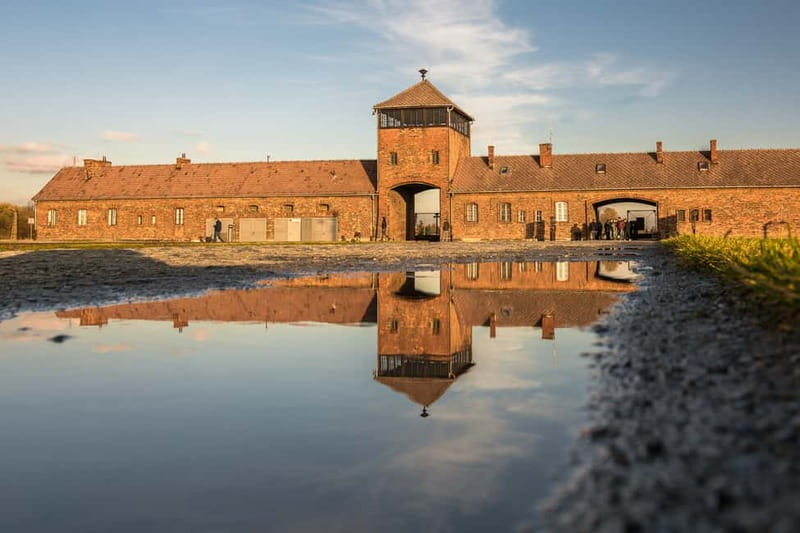
REVIEW · AUSCHWITZ-BIRKENAU MEMORIAL TOURS
From Krakow: Auschwitz-Birkenau Tour with Transportation
Some places demand your full attention. This full-day trip from Krakow visits Auschwitz I and Birkenau, two of the most important memorial sites in Europe, with transport, admission, headsets, and a guide included. I especially like the well-organized coach service and the fact that one museum guide may lead you through both camps, giving the day a clear thread. I also like the early departures, which can get you back to Krakow by early afternoon. The drawback is that the schedule can feel tight, and the subject matter is physically and emotionally draining.
You meet at Plac Matejki 2, not at your hotel, then ride to Oświęcim. The price is $86 per person, which is fair for a seven-and-a-half-hour outing when you count transport to and between the sites, entrance tickets, an English or Spanish tour leader, museum headsets, and insurance. Still, this is not a casual sightseeing trip. You need an ID, a small bag, sensible clothing, and the right frame of mind.
In This Review
- Key Points Before You Book
- Starting at Plac Matejki 2 in Krakow
- The 100-Minute Coach Ride to Oświęcim
- Auschwitz I: Prison Blocks and Exhibitions
- The Short Break at the Museum Grounds
- The Bus Transfer to Birkenau
- Birkenau: Scale, Rail Tracks, and Ruins
- Getting Back to Krakow by Early Afternoon
- How Good Is the $86 Value?
- Who Should Choose This Auschwitz Tour?
- Practical Tips for a Respectful Visit
- Should You Book It?
- FAQ
- Where does the tour meet in Krakow?
- Is hotel pickup included?
- How long does the tour last?
- Which languages are available?
- What identification should I bring?
- Can I bring a large backpack or suitcase?
Key Points Before You Book
- Early departures can save your afternoon: Some departures leave around 4:00 or 6:00 a.m. and return to Krakow around 1:00 or 1:30 p.m.
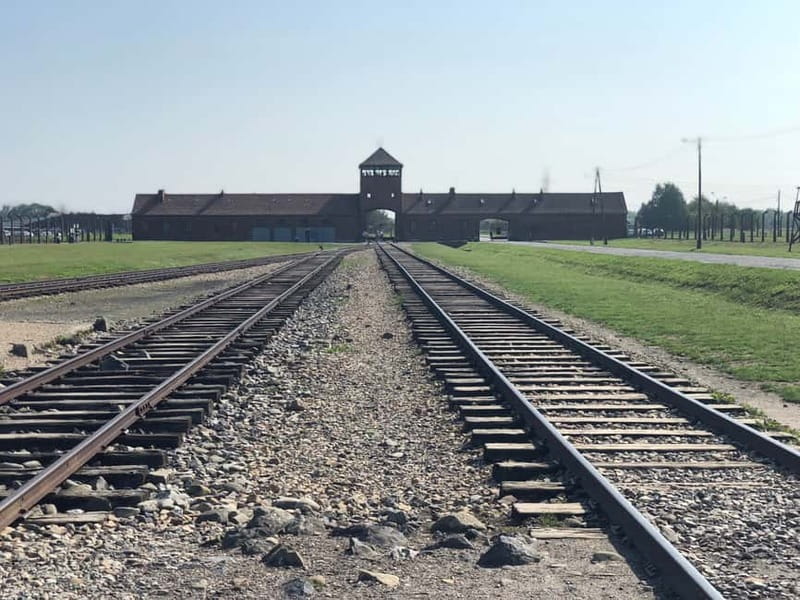
- Both camps are included: You visit Auschwitz I, with its preserved prison blocks and exhibitions, then Birkenau, the much larger camp complex.
- A guide leads the memorial visit: English and Spanish options are available, with headsets to help you hear explanations in crowded areas.
- The meeting point is central and fixed: Go to Plac Matejki 2, where the Cracow City Tours office and coach stop are marked.
- Pack very lightly: Bags must be no larger than 30 by 20 by 10 centimeters, and large luggage is not allowed.
- This suits mature visitors best: Children under 14 are not permitted, and the content is disturbing for people of any age.
Starting at Plac Matejki 2 in Krakow
The tour begins at Plac Matejki 2, a short walk from Krakow’s central area. From the city center, the bus stop and office are on the right-hand side, marked with the Cracow City Tours logo. This is the only pickup point, so you need to allow time to get there yourself.
The meeting area can be busy when several language groups or buses gather at once. One practical criticism is that queues have not always been clearly separated, especially when English and other language departures are leaving together. Arrive early, check the destination and language, and ask staff before joining a line if anything looks unclear.
You will need to provide your full name and contact details when booking. Bring the same passport or ID card used for the reservation. Auschwitz-Birkenau requires the name on the ticket to match the identity document, and admission can be refused if the details do not agree.
Keep your bag tiny. The museum allows backpacks or handbags up to 30 by 20 by 10 centimeters. Large cases and oversize luggage belong on the bus or in a locker, not at the entrance. Smoking, food, flash photography, and sleeveless shirts are not allowed within the museum areas. You may take photographs, but never use flash inside the blocks.
More Auschwitz-Birkenau memorial tours:
- From Krakow: Auschwitz-Birkenau Guided Tour & Hotel Pickup
★ 4.5 · 33,358 reviews - From Krakow: Auschwitz-Birkenau Guided Tour & Hotel Pickup
★ 4.5 · 29,340 reviews - Krakow: Auschwitz Guided Tour with Optional Hotel Pickup
★ 4.5 · 15,280 reviews
The 100-Minute Coach Ride to Oświęcim
The road journey takes about 100 minutes, though traffic and the departure time can affect the exact duration. The coach has generally been described as comfortable, and the driver is often a strong part of the day. Jakub, Martin, and other named staff have been praised for being friendly, helpful, and clear with instructions on past departures.
An introductory film may be shown during the ride. It gives you basic background before arrival, which is useful because the site is too large and important to absorb without preparation. On some coaches, the screens have been small or the sound difficult to hear if passengers talk, so do not depend on the film as your only introduction.
The ride is also your best chance to eat something if you have brought or bought food for the journey, since food is not allowed inside the museum. Early starts can be rough, but they have a real advantage. A 9:30 a.m. entry slot, for example, may require leaving Krakow very early, yet it can help you avoid a later return and preserve the evening for the old town.
Auschwitz I: Prison Blocks and Exhibitions
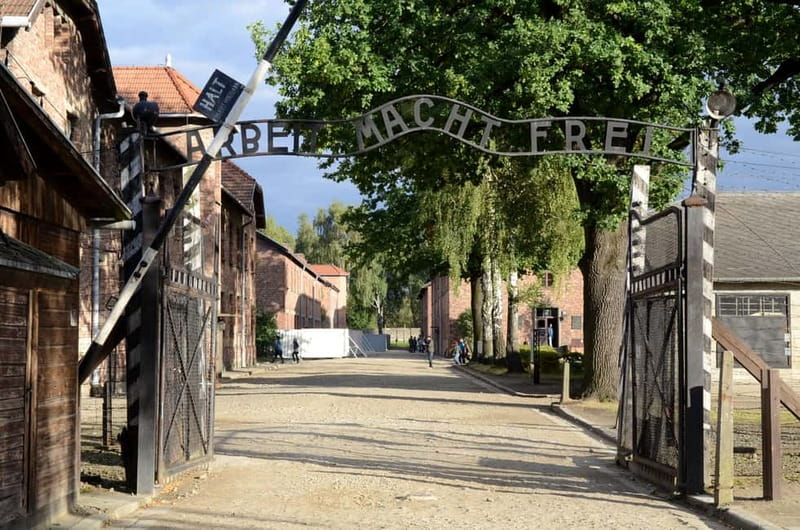
Auschwitz I is the original camp, established by the Nazis in 1940 on the outskirts of Oświęcim. It was first created to hold growing numbers of arrested Poles, at a time when existing prisons were overcrowded. From 1942, the camp became part of the Nazi plan known as the Final Solution, the organized murder of Jews from territories controlled by the Third Reich.
Your visit lasts about two hours. You enter through the familiar main gate and move through selected prison blocks, museum exhibitions, and areas connected with the camp’s operation. The tour explains the political decisions behind the camp, the daily conditions imposed on prisoners, and the crimes committed against Jews, Poles, Roma and Sinti, and many other victims.
The preserved buildings make the visit intensely direct. Instead of hearing only a general account, you see the spaces where prisoners were confined and the evidence collected by the memorial museum. The guide’s job is not simply to point out buildings. A good guide gives meaning to the objects, locations, and systems that made mass persecution possible.
The museum-issued or operator-provided headset is important here. Groups can be spread across narrow paths and rooms, and the headset lets you stay close enough to follow without crowding around the guide. Technical problems have occasionally caused sound to cut out, so tell your guide promptly if you cannot hear.
Past guides have received particularly strong praise for their English and their tone. Mateusz was described as clear, respectful, and highly informed, while Vlad was singled out for insightful explanations. Another guide, Margarette, was remembered for her energy and care. Names and assignments change, of course, but these examples show the kind of presentation this tour aims for.
Do not expect unlimited time in every building. Auschwitz is heavily visited, and organized groups follow a set route. Some earlier participants felt rushed or wished they could spend longer in the exhibition rooms. If you prefer to read every display at your own pace, an escorted group tour may feel restrictive.
The Short Break at the Museum Grounds
A break of about 20 minutes follows the first portion, with further short pauses during the day. Use this time for the toilet, a quiet moment, or a drink and snack outside the museum areas. A gift shop is available for books, which can be a meaningful way to continue learning after the visit.
The breaks are practical rather than leisurely. Several hours of walking, standing, and concentration take a toll, especially in cold weather. Wear warm layers in winter and comfortable walking shoes in every season. One early review described the day as physically tiring, and that remains useful advice even if you normally handle long sightseeing days well.
A few more in Krakow
- Krakow–Zakopane: Cable Car, Chocholow Baths, Cheese & Vodka
★ 5.0 · 10,720 reviews - Krakow: Auschwitz-Birkenau Guided Tour with Pickup & Lunch
★ 4.5 · 9,800 reviews - From Krakow: Wieliczka Salt Mine Tour
★ 4.6 · 9,393 reviews - Krakow: Auschwitz-Birkenau Guided Tour Pickup/Lunch Options
★ 4.5 · 9,057 reviews
The Bus Transfer to Birkenau
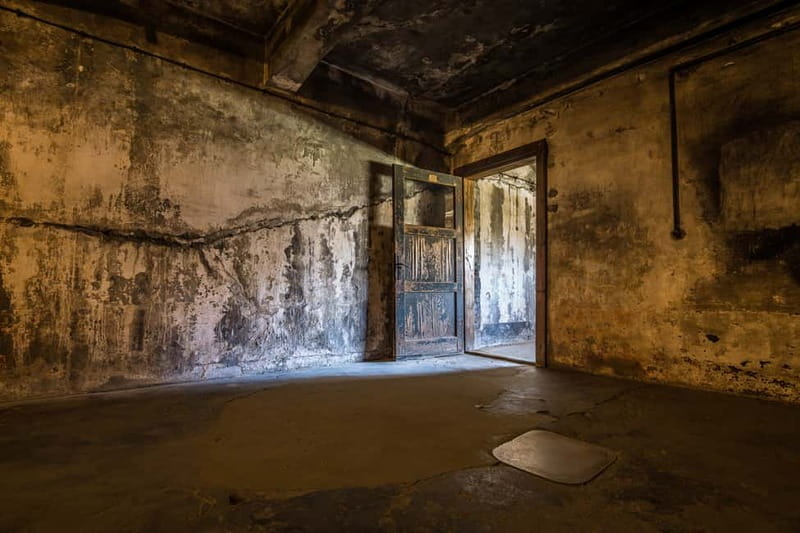
Transportation between Auschwitz I and Auschwitz II-Birkenau is included. You do not need to arrange a separate bus or figure out the connection on your own, which is one of the clearest reasons the $86 price offers good value.
Birkenau is much larger and more open than Auschwitz I. The scale changes your understanding of the camp system. Long distances, rows of barracks, railway infrastructure, and open ground show how mass deportation and imprisonment were organized across a vast area.
Birkenau: Scale, Rail Tracks, and Ruins
The guided visit to Birkenau lasts about 50 minutes. You see the main areas selected by the guide, learn how Birkenau functioned alongside Auschwitz I, and hear about the people who were transported there and the conditions they faced.
The shorter time here is the main limitation of the tour. Birkenau covers a wide area, and 50 minutes cannot give you a full look at every barrack, exhibition, or memorial. Some past participants felt they saw only a small part of the camp, particularly compared with the size of the grounds.
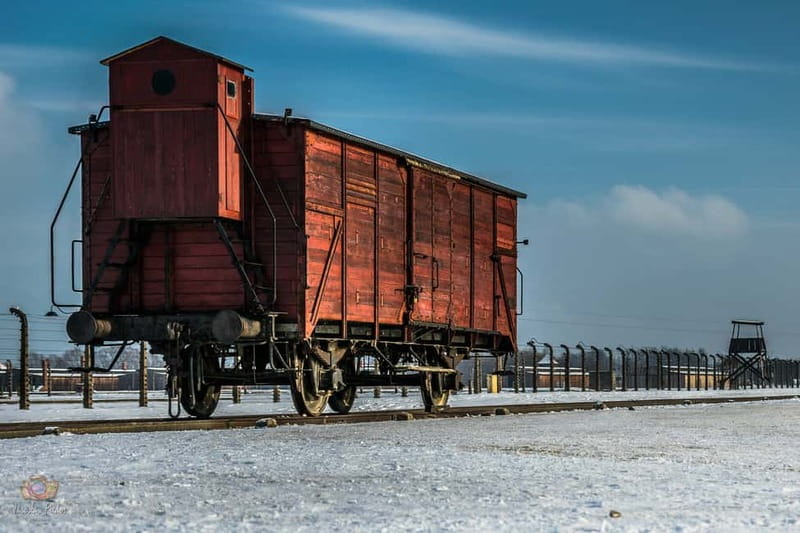
Even so, this stop is essential. Auschwitz I can feel like a museum built inside surviving structures. Birkenau confronts you with distance and scale. The railway entrance and broad rows of buildings make the machinery of deportation easier to grasp, while the remains of destroyed facilities point to the Nazis’ attempt to erase evidence of their crimes.
Having the same guide for both parts, when schedules allow, is valuable. The guide can connect the history of Auschwitz I with Birkenau instead of treating them as two unrelated stops. The strongest guides also know when to stop speaking and allow silence to do some of the work.
Getting Back to Krakow by Early Afternoon
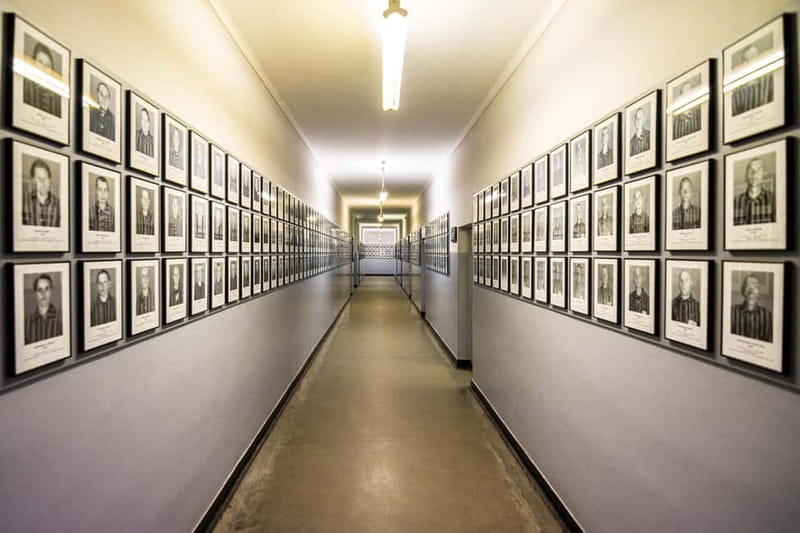
After another short break of roughly 15 minutes, the coach returns to Plac Matejki 2. The listed duration is 450 minutes, or seven hours and 30 minutes. Actual departure and return times depend on the entry slot, traffic, museum procedures, and the pace of the group.
Early bookings have sometimes returned to Krakow around 1:00 or 1:30 p.m. That makes this a good choice if you have an afternoon train, another planned activity, or limited time in the city. You may even have time for a rest before dinner, which you will probably appreciate after such an intense morning.
Do not schedule anything demanding immediately afterward. The visit can leave you quiet, upset, or simply tired. Krakow’s cafés and parks offer an easier follow-up than another major attraction.
How Good Is the $86 Value?
At $86, this is not the cheapest possible way to reach Auschwitz-Birkenau, but it bundles the parts that can be awkward to arrange separately. You receive round-trip transport from central Krakow, a transfer between the two museum sections, admission, a tour leader, headsets, and insurance.
The strongest value comes from reducing uncertainty. You do not need to work out the route to Oświęcim, find transport between the camps, or deal with a separate ticket process at the entrance. Staff have previously handed out tickets before arrival and directed groups through the correct queue, which can save time at a busy memorial.
The tradeoff is independence. You follow a planned route and fixed timing. If you want to linger over every display, return to a particular building, or explore Birkenau for several hours, an independent visit may suit you better. For a first visit, though, the guide adds essential context and keeps the day manageable.
Who Should Choose This Auschwitz Tour?
I would choose this tour if you want a clear, structured first visit from Krakow. It works particularly well for you if:
- You want transport arranged from a central meeting point.
- You prefer a guide to explain the political and historical background.
- You need to return to Krakow by early afternoon.
- You are comfortable walking and standing for several hours.
- You want to visit both Auschwitz I and Birkenau in one day.
- You would rather not manage museum tickets and the inter-site transfer yourself.
I would hesitate if you dislike early mornings, crowded organized tours, or fixed schedules. I would also think twice about pairing this with the Wieliczka Salt Mine on the same day. One past participant was glad not to combine the two because the Auschwitz visit involved more walking and effort than expected.
The tour is not suitable for children under 14. Even older teenagers and adults should consider how they respond to graphic historical subjects, prison conditions, mass murder, and personal testimony. This is a memorial and museum, not entertainment, and respectful behavior matters.
Practical Tips for a Respectful Visit
Book the correct language and date. English and Spanish tours are offered, and a mistake can place you in the wrong group. If language is important to you, check the booking carefully before paying.
Bring your passport or ID card, but leave large luggage at your accommodation. Carry only a small bag within the museum’s size limit. Wear clothing suitable for a solemn memorial. Sleeveless shirts are not allowed, and warm layers are especially useful during cold months because parts of the visit take place outdoors.
Eat before entering or use the breaks for food outside the museum. Food is not permitted inside. Keep your phone and camera discreet, and follow the no-flash rule inside the blocks.
Finally, give yourself space to listen. The guide may speak quickly because the schedule is tight, and crowds can make it easy to lose contact. Stay near the headset signal, let the guide know if the sound fails, and do not wander off for a photograph.
Should You Book It?
Book this Krakow to Auschwitz-Birkenau tour if you want a practical, guided introduction with dependable transport and a good chance of returning by early afternoon. The strongest features are the smooth coach logistics, clear instructions, included tickets, and guides who generally handle the subject with care. The $86 cost is reasonable for the amount of transport and organization included.
Do not book it expecting a slow, private examination of every corner. The two-hour Auschwitz I visit and 50-minute Birkenau visit provide an important overview, but the pace can feel hurried. For most first-time visitors, that compromise is worthwhile. You get to both memorial sites, understand how they fit together, and avoid the logistical burden of arranging the day yourself.
FAQ
Where does the tour meet in Krakow?
The meeting point is Plac Matejki 2 in Krakow. The bus stop and office are on the right-hand side when coming from the city center, and the office is marked with the Cracow City Tours logo.
Is hotel pickup included?
No. Hotel pickup and drop-off are not included. You must make your own way to Plac Matejki 2, which is the only meeting point.
How long does the tour last?
The stated duration is 450 minutes, or seven hours and 30 minutes. The schedule includes the coach ride from Krakow, visits to both camps, breaks, and transportation between Auschwitz I and Birkenau.
Which languages are available?
The tour is available with English or Spanish guidance. Check that you select the correct language and date when booking.
What identification should I bring?
Bring a passport or ID card. Children must also have a passport or ID card. The name on your booking must match the name on your identification document, or entry may be refused.
Can I bring a large backpack or suitcase?
No. Backpacks or handbags brought into the museum cannot exceed 30 by 20 by 10 centimeters. Large luggage and oversize bags should be left on the bus, in your car, or in the available lockers.
Just added in Krakow
- Auschwitz-Birkenau – Skip the Line Tickets★ 3.5 · 29 reviews
- Auschwitz-Birkenau: Fast-Track Ticket & Guided Tour No Transfers★ 3.5 · 17 reviews
- Zakopane & Sleigh Ride with Bonfire – Group Tour from Kraków★ 5.0 · 2 reviews
- Sleigh Ride & Bonfire in Zakopane with Funicular – Private Trip★ 5.0 · 48 reviews
- Thermal Baths & Zakopane – Private Trip from Krakow★ 5.0 · 1 review
- Zakopane & Gubalowka Funicular – Private Winter Tour from Krakow★ 5.0 · 10 reviews
- Divine Mercy Sanctuary – Private Tour from Krakow★ 5.0 · 4 reviews
- stag dog chase Krakow prank★ 5.0 · 4 reviews