
REVIEW · AUSCHWITZ-BIRKENAU MEMORIAL TOURS
Auschwitz-Birkenau: Skip-the-Line Entry Ticket & Guided Tour
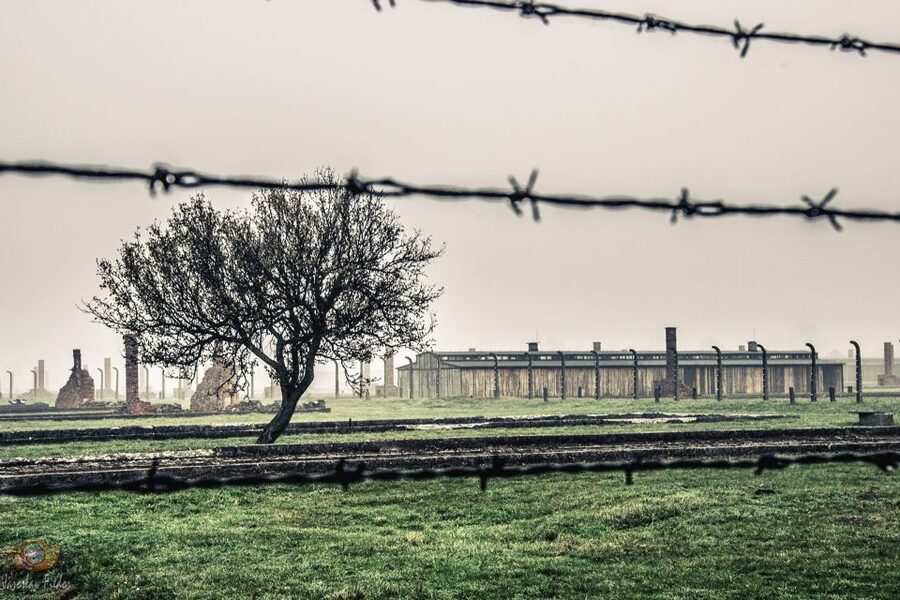
History feels different here. This 225-minute Auschwitz-Birkenau tour takes you through original barracks, the main gate, and the ruins of the gas chambers with a licensed museum guide. I like the clear historical context and the supplied headsets, which make it much easier to follow every word. The main drawback is that your exact start time may change the day before, and the promised fast-track entry may not always feel especially fast on crowded days.
At $21 per person, this is a remarkably low price for entry to both sites, a licensed guide, and booking fees. You will need to arrange your own transport, carry only a small bag, and prepare for a serious, sometimes overwhelming visit rather than a casual sightseeing stop.
In This Review
- Key points before you book
- Why Auschwitz I is an essential first stop
- The original barracks and museum rooms
- The gas chamber ruins and the weight of the site
- The short break and transfer to Birkenau
- Birkenau: scale, distance, and open space
- The guide makes the difference
- Timing problems you should expect
- Is $21 good value?
- Who should book this Auschwitz tour?
- What to bring and how to prepare
- Should you book it?
- FAQ
- How long does the Auschwitz-Birkenau tour last?
- Are both Auschwitz I and Auschwitz II Birkenau included?
- Is transportation between Auschwitz and Birkenau included?
- Can I bring a backpack or large bag?
- What languages are available?
- Do I need to bring identification?
Key points before you book
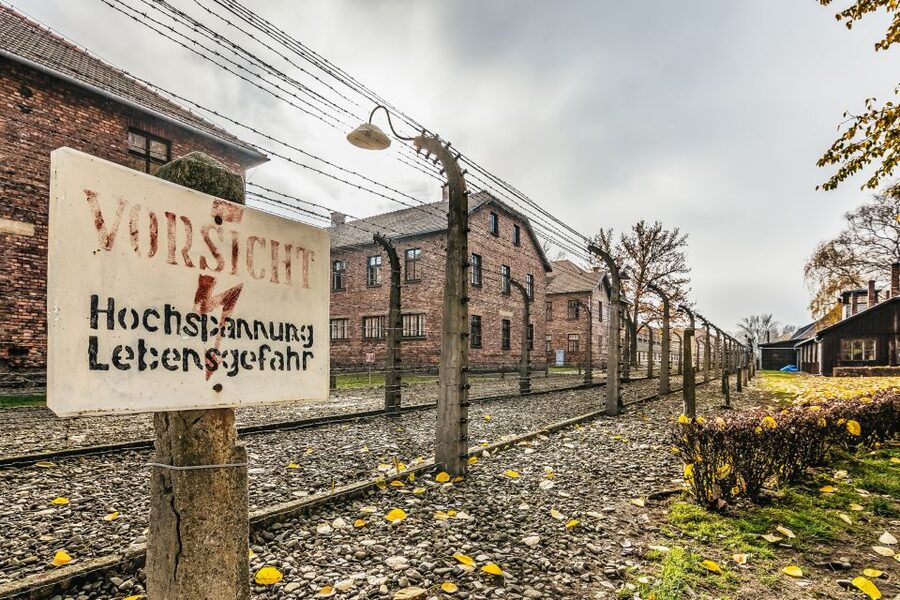
- Two separate camp sites: Visit Auschwitz I first, then Auschwitz II Birkenau, about 2 kilometres away.
- A museum-appointed guide: Tours are offered in English, German, French, Italian, and Spanish.
- Headsets help enormously: You can hear the guide even while moving through crowded buildings and outdoor areas.
- The schedule is flexible, sometimes too flexible: You request a start time, but the exact time may arrive only the day before.
- Pack light and dress respectfully: Bags cannot exceed 20 by 30 centimetres, and sleeveless shirts and short skirts are not permitted.
- Bring food and water: The break between the two parts is only 10 to 15 minutes.
Why Auschwitz I is an essential first stop
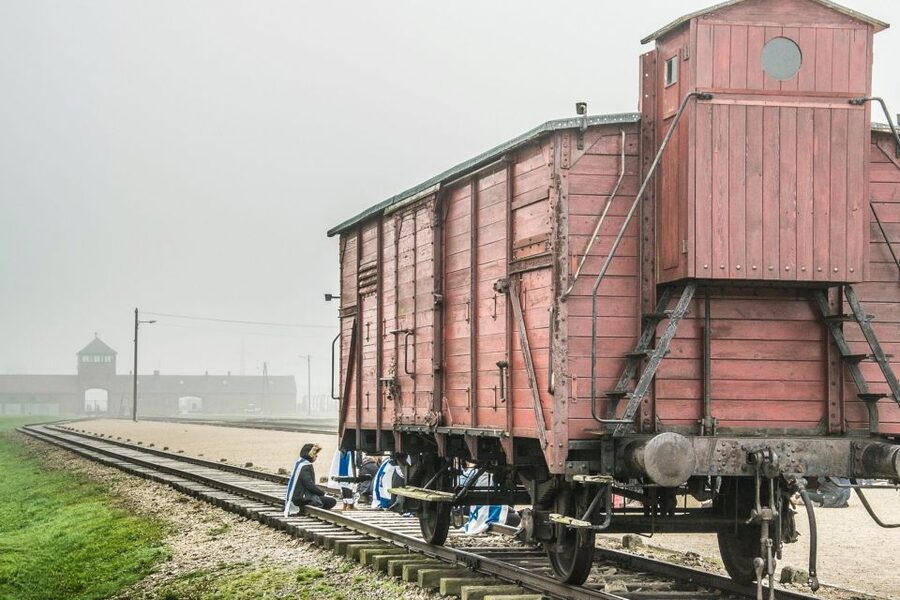
The tour begins at Auschwitz I, the older and more compact part of the memorial. You enter through security, then meet the museum guide inside or near the entrance, depending on the arrangements for your booking.
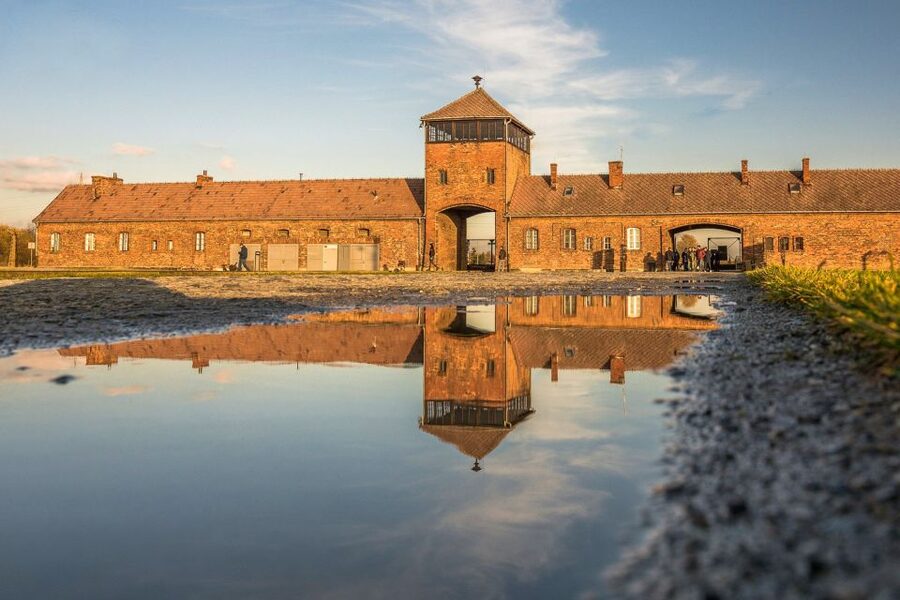
The famous main gate is here. Its presence gives the visit an immediate seriousness, but the most important work starts once you move beyond it. The first camp contains preserved buildings and museum exhibitions that explain how the camp system developed and how prisoners were registered, confined, exploited, and murdered.
Plan on spending about 80 to 110 minutes at Auschwitz I. The pace is purposeful. You are not simply walking around empty buildings. The guide connects the surviving structures with photographs, documents, personal accounts, and the physical evidence held by the museum.
This is where the historical framework becomes clear. If you arrive without much background, the guide helps you understand the difference between Auschwitz as a concentration camp, a forced-labor site, and a killing center. If you have read widely about the Second World War, the buildings still add a force that books and films cannot provide.
The original barracks are among the most affecting parts of the visit. Some rooms contain objects taken from prisoners, including shoes and other personal belongings. One review described seeing around 40,000 shoes and learning about the seven tonnes of human hair found by Soviet forces in a warehouse. These displays are difficult to face, but they show the scale of the crime through ordinary possessions rather than distant statistics.
The guide’s role matters greatly here. Anna, Teresa, Mario, Suzanna, and other guides have been praised for a calm, clear, and respectful approach. Several guides also share survivor accounts and personal stories connected to the camp. One guide was described as having family ties to Auschwitz, which made the explanation especially emotional.
That kind of personal connection can add weight, but the strongest guides do not turn the visit into a performance. The best approach is measured and factual, leaving you room to think. This tour generally receives high marks for that balance.
More Auschwitz-Birkenau memorial tours:
- From Krakow: Auschwitz-Birkenau Guided Tour & Hotel Pickup
★ 4.5 · 33,358 reviews - From Krakow: Auschwitz-Birkenau Guided Tour & Hotel Pickup
★ 4.5 · 29,340 reviews - Krakow: Auschwitz Guided Tour with Optional Hotel Pickup
★ 4.5 · 15,280 reviews
The original barracks and museum rooms
You move through selected buildings rather than every structure on the grounds. That is both a benefit and a limitation.
The benefit is focus. A guide can point out what matters, explain the evidence, and keep the group moving through a very large memorial complex. You do not have to spend your time deciding which building to enter or trying to interpret every display alone.
The limitation is time. On busy days, several groups may be moving through the same rooms. You might have only a short period to look closely at objects or read every panel. One visitor found the pace comfortable, while another wanted more time with the exhibits. Both reactions make sense.
The headsets are a practical help. You can listen without standing shoulder to shoulder with the guide, and you are less likely to miss an important explanation when the group spreads out. This is particularly useful for anyone listening in a second language. Guides have been praised for speaking clearly and not rushing their English commentary.
Photography may be possible in some areas, but this is not a place to treat your camera as the main event. Follow the museum’s instructions and listen to the guide. You will get more from the visit if you look carefully, pause when allowed, and give the subject the attention it demands.
The gas chamber ruins and the weight of the site
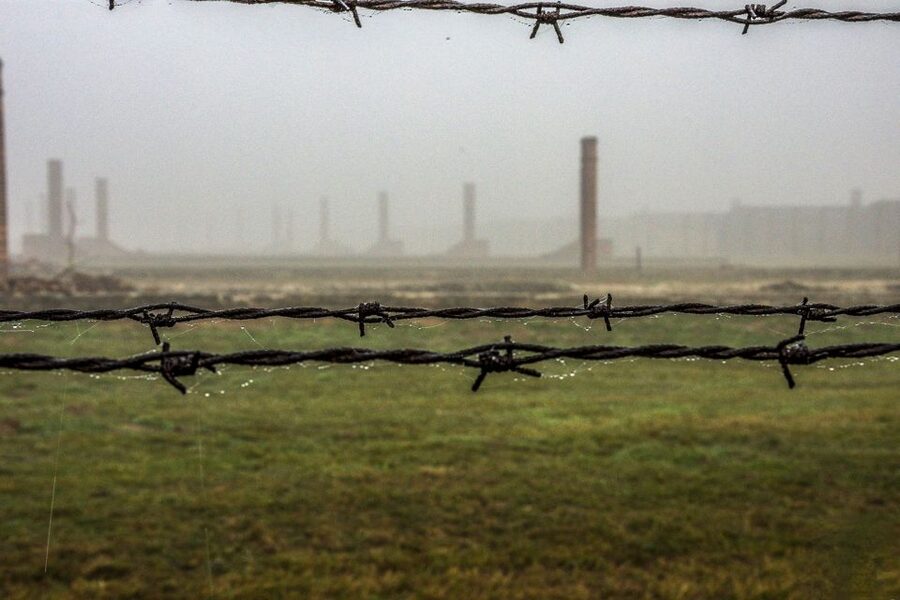
The first part includes the remains of a gas chamber and crematorium area. You will not see a complete working facility. Much of the site was destroyed, and what remains are ruins, fragments, and carefully presented evidence.
Even so, the setting can be difficult to process. Visitors describe the gas chamber area as one of the moments when the abstract numbers become painfully physical. The guide explains what happened without softening it, but the tour is not built around shock for its own sake.
You should give yourself permission to feel unsettled. This is not a failure to enjoy a tour. Auschwitz-Birkenau is a memorial and educational site, and the emotional response is part of what makes the visit meaningful.
The tone also changes from room to room. Some spaces ask you to absorb statistics and historical context. Others confront you with belongings, photographs, or the remains of buildings. A good guide knows when to speak and when to allow silence. The strongest comments about this tour repeatedly praise guides for being empathetic, patient, and thoughtful.
The short break and transfer to Birkenau
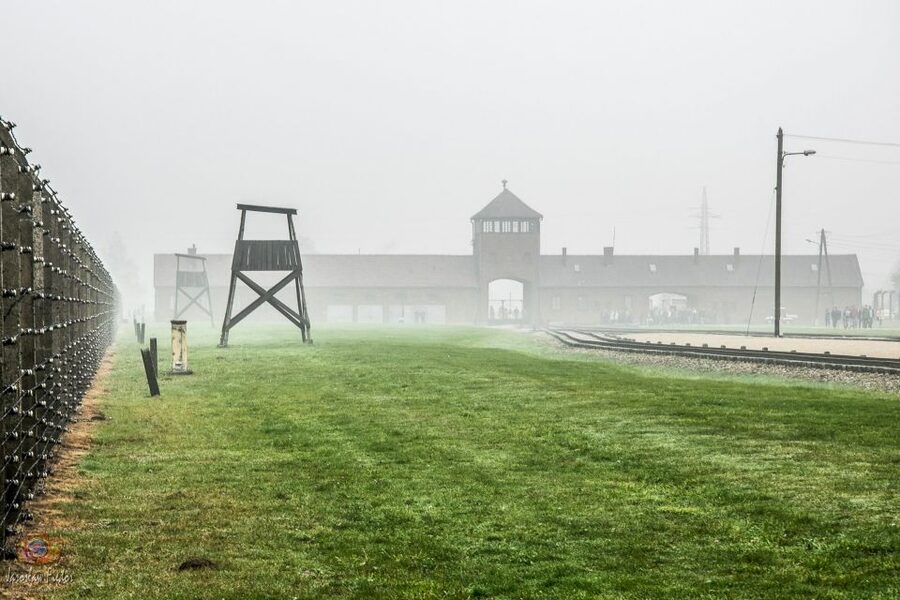
After Auschwitz I, there is usually a 15-minute break, although the visitor service determines the exact timing. This is your chance to eat something and drink water.
Do not assume that the tour operator provides a meal or drinks. Bring lunch and water with you. The break is short, so carry food that you can eat quickly.
The transfer to Auschwitz II Birkenau is not included as private transport. Birkenau is about 2 kilometres away, and if you arrive by car, you are instructed to go to the parking area in Brzezinka during the break. If you use public transport, tell the tour leader before the visit starts so they can help you reach the second site.
This detail deserves careful planning. The two sites are linked historically, but they are separate locations. You do not simply follow the guide from one gate to the next on foot as part of a single continuous route. If you misunderstand the transfer instructions, the short break can become stressful.
The information supplied for the tour says that transportation between Auschwitz and Birkenau is not included. Transportation to and from your accommodation is also excluded. If you are arranging your own journey, build in enough time for security, parking, and finding the correct meeting point.
A few more in Kraków
- Krakow–Zakopane: Cable Car, Chocholow Baths, Cheese & Vodka
★ 5.0 · 10,720 reviews - Krakow: Auschwitz-Birkenau Guided Tour with Pickup & Lunch
★ 4.5 · 9,800 reviews - From Krakow: Wieliczka Salt Mine Tour
★ 4.6 · 9,393 reviews - Krakow: Auschwitz-Birkenau Guided Tour Pickup/Lunch Options
★ 4.5 · 9,057 reviews
Birkenau: scale, distance, and open space
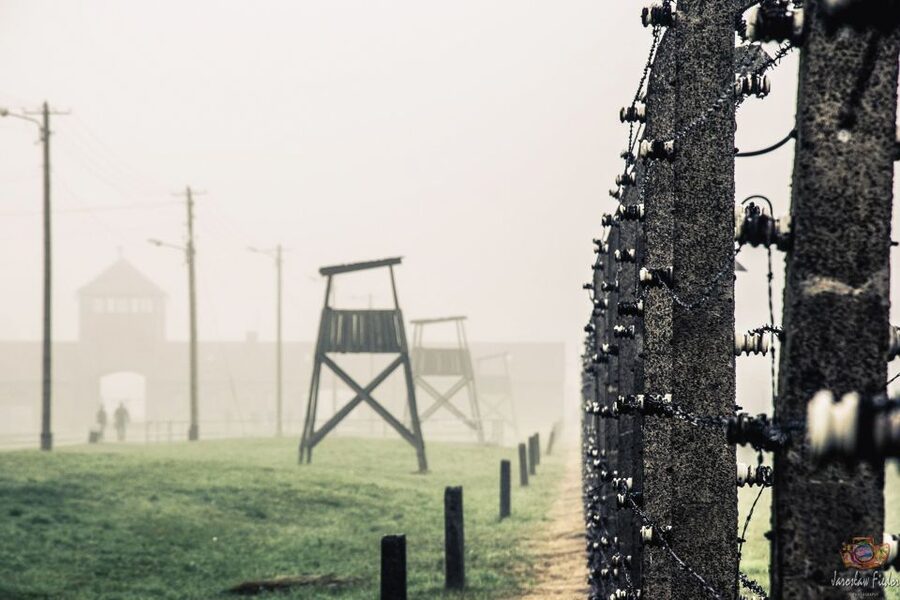
Auschwitz II Birkenau is the larger site, and the change in scale is striking. The second part lasts about an hour with the same guide.
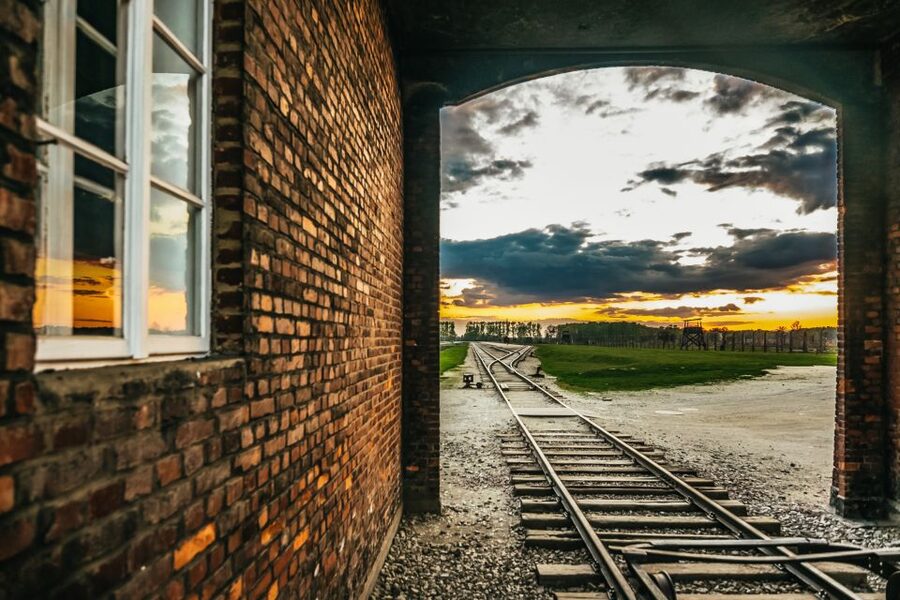
Here, the wide grounds, railway entrance, barracks, and ruined crematoria areas help explain how vast the Nazi camp system became. Auschwitz I introduces the machinery of imprisonment and murder. Birkenau shows its expansion on a much larger physical scale.
You will see the main entrance and the remains of barracks and gas chamber facilities. The exposed setting also affects the experience. In summer, the sun and heat can make the walk tiring. In winter, snow and freezing temperatures can make the grounds feel especially severe. Rain adds another layer, since the site is largely outdoors.
Wear sensible shoes and clothing suited to the forecast. The rules also require appropriate dress. Short skirts and sleeveless shirts are not allowed, and the memorial is not a place for casual beachwear.
The hour at Birkenau can feel short because there is so much ground to cover. You will receive an explanation of the site’s function, see key remains, and have time to take in the setting, but this is not an unlimited free-walking period. Some people will want more time alone after the guided portion. That is one of the tour’s main tradeoffs: the guide gives structure, but the schedule leaves little room for lingering.
The guide makes the difference
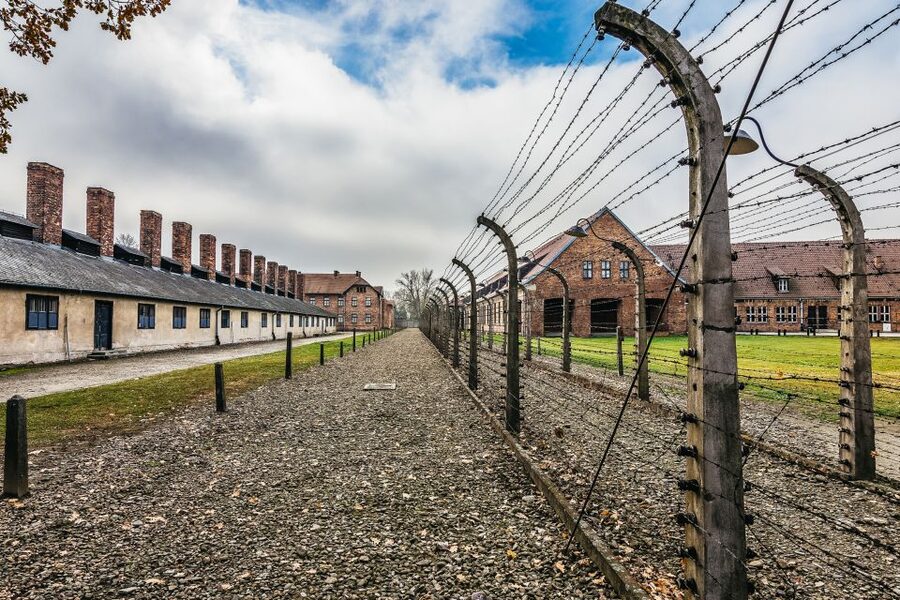
At a place this serious, a poor guide would make the visit harder. Here, the guide is usually the strongest part of the experience.
The museum provides a licensed guide, rather than leaving you with a basic audio recording or a generic escort. Guides explain the history, answer questions, and keep the group together. The most praised guides, including Anna, Teresa, Mario, and Suzanna, are described as clear, respectful, patient, and engaged.
That is especially important because the subject is complex. You need more than dates and figures. You need explanations of how the camp operated, who was imprisoned there, how deportations worked, and how the surviving evidence should be understood.
The headset system adds real value. In crowded areas, you may not be standing close to the guide. With the audio receiver, you can keep up while looking at the exhibits. It also helps if English is your second language, since several people found the guides easy to understand.
The experience is not private. You will share the route with other people, and the guide must keep to the memorial’s visitor-service schedule. That means you cannot expect a long personal conversation at every stop. Still, the guides appear to make a strong effort to answer questions when time allows.
Timing problems you should expect
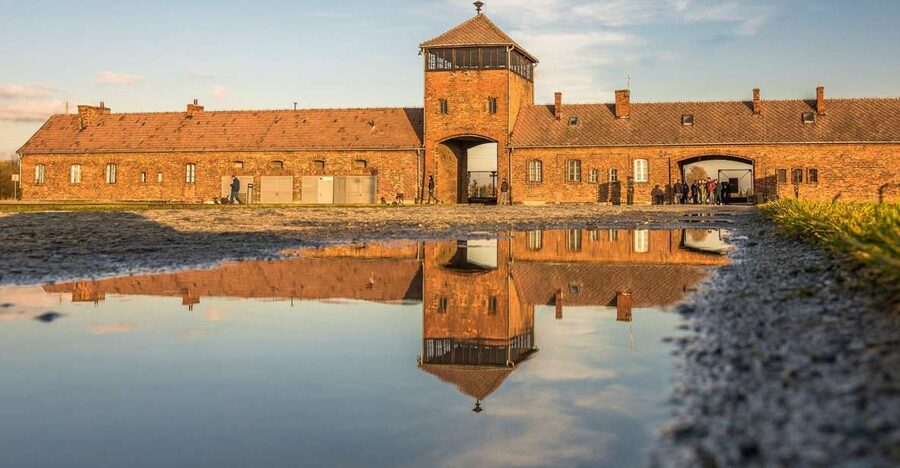
The biggest practical weakness is the start time.
You can choose a preferred time from the available options, but the exact entrance time may be sent only the day before. The tour can operate between 7:00 AM and 3:30 PM. A requested 1:00 PM start, for example, might be changed to a much earlier slot.
That uncertainty matters if you are coming from Krakow, Zakopane, or another town, or if you have train tickets and other plans. Several people had to adjust their day after the time changed. One person specifically found the new early start difficult after traveling from Zakopane.
There is a possible advantage to an early time. In July, an early morning visit can mean fewer people and cooler weather. But you should book this experience only if you can accept some schedule movement.
Finding the guide can also be confusing outside the entrance. On crowded days, there may be many groups and guides gathered near the security area. Arrive early, read the latest instructions carefully, and keep the contact details from your booking close at hand.
The fast-track promise should be understood in practical terms. Your pre-booked museum ticket lets you use the designated entry process instead of arriving without a reservation and waiting to purchase admission. It does not guarantee that the entire entrance area will be empty or that security will take no time.
Is $21 good value?
Yes, provided you are comfortable arranging your own transport.
For $21, you receive admission to Auschwitz-Birkenau, a licensed museum guide, and booking fees. That is strong value for a visit lasting around three hours and 45 minutes from start to finish, including the break and transfer period.
The low price comes with less certainty. Transportation is not included, and the start time may change. You also have to manage the move between Auschwitz I and Birkenau. A more expensive package might be easier if you want hotel pickup and a fixed timetable, but this option works well for people who can reach the museum independently.
The guide is the key reason not to compare this with a simple entrance ticket. A ticket lets you enter. This tour gives you a structured explanation of what you are seeing and why it matters. At a site where context is essential, that is money well spent.
Free cancellation up to 24 hours before the tour and the option to reserve now and pay later also reduce the financial risk. Still, read the meeting instructions closely because the meeting point can vary by the option selected.
Who should book this Auschwitz tour?
I would recommend it to you if you want a clear introduction to both Auschwitz sites and prefer having a guide explain the evidence as you go.
It suits first-time visitors especially well. The route is organized, the guide supplies context, and the headsets help you stay connected to the commentary. It also works for families with older children who can handle the subject. One family found that two young children remained interested because the guide explained the history clearly.
You should think carefully before booking if you need a fully predictable schedule, hotel transportation, or a leisurely pace. The tour is not suitable for wheelchair users, and large bags and backpacks are not permitted. The maximum bag size is 20 by 30 centimetres, so leave luggage elsewhere.
This is also not a good choice if you want to wander alone for hours. The memorial’s visitor service controls the pace and duration. You will have a guided route through both sites, with limited time for extra reading or private reflection.
What to bring and how to prepare
Bring your passport or identity card. You may also want:
- Water and a simple packed lunch
- Weather-appropriate clothing
- Comfortable shoes for walking outdoors
- A small bag within the 20 by 30 centimetre limit
- Your booking message and the latest meeting instructions
Do not bring pets, alcohol, drugs, cigarettes, or large luggage. Sleeveless shirts and short skirts are not permitted.
Most important, prepare yourself emotionally. Read a little about Auschwitz and the Holocaust before you arrive if you can. You do not need to become an expert, but a basic outline will help you understand the guide’s explanations and recognize why the two sites differ.
Give yourself quiet time after the tour if possible. The schedule ends after Birkenau, but your thoughts may not. I would avoid planning a packed activity immediately afterward.
Should you book it?
Book this tour if you want strong historical guidance at a low price. The licensed museum guide, headsets, access to both Auschwitz I and Birkenau, and generally excellent teaching make it a serious and worthwhile choice.
Book only after accepting the main conditions: you arrange your own transport, the exact start time may change the day before, the transfer between sites needs attention, and the pace is set by the memorial rather than by you.
For many people, the combination of clear guidance and direct contact with the original barracks, belongings, gate, and ruins makes the visit far more meaningful than going in alone. It is difficult, but that difficulty is the point. If you come prepared, travel light, and leave room in your day afterward, this $21 tour offers remarkable value for one of Poland’s most important historical visits.
FAQ
How long does the Auschwitz-Birkenau tour last?
The advertised duration is 225 minutes. Auschwitz I takes about 80 to 110 minutes, followed by a 10 to 15-minute break, and Auschwitz II Birkenau takes around one hour.
Are both Auschwitz I and Auschwitz II Birkenau included?
Yes. The tour visits Auschwitz I first and Auschwitz II Birkenau second.
Is transportation between Auschwitz and Birkenau included?
No. You must arrange your own transport between the two sites. They are about 2 kilometres apart. If you use public transport, tell the tour leader before the visit begins.
Can I bring a backpack or large bag?
No. Large bags and backpacks are not allowed. The maximum permitted bag size is 20 by 30 centimetres.
What languages are available?
The live guided tour is offered in English, German, French, Italian, and Spanish.
Do I need to bring identification?
Yes. Bring your passport or identity card, as this is listed as a required item for the visit.
Just added in Kraków
- Auschwitz-Birkenau – Skip the Line Tickets★ 3.5 · 29 reviews
- Auschwitz-Birkenau: Fast-Track Ticket & Guided Tour No Transfers★ 3.5 · 17 reviews
- Zakopane & Sleigh Ride with Bonfire – Group Tour from Kraków★ 5.0 · 2 reviews
- Zakopane & Gubalowka Funicular – Private Winter Tour from Krakow★ 5.0 · 10 reviews
- Sleigh Ride & Bonfire in Zakopane with Funicular – Private Trip★ 5.0 · 48 reviews
- Thermal Baths & Zakopane – Private Trip from Krakow★ 5.0 · 1 review
- Divine Mercy Sanctuary – Private Tour from Krakow★ 5.0 · 4 reviews
- stag dog chase Krakow prank★ 5.0 · 4 reviews