
REVIEW · AUSCHWITZ-BIRKENAU MEMORIAL TOURS
Auschwitz-Birkenau: Skip-the-Line Entry Ticket & Guided Tour
Some places demand your full attention. This Auschwitz-Birkenau tour takes you through the preserved camp complex with a live guide, original barracks, museum exhibits, and the infamous Arbeit macht frei gate. The visit covers Auschwitz I and Birkenau in about three and a half hours, with an educator explaining what happened at each site.
I like the clear historical guidance, especially when the guide explains details that are easy to miss on your own. I also like the chance to see both camps, since Auschwitz I shows preserved buildings and exhibitions while Birkenau reveals the huge scale of the killing center. The main drawback is the tight schedule, plus the need to arrange your own movement between the two sites.
Guides such as Marta, Jacob, Magda, Margherita, and Oscar Crespo have been praised for clear explanations and a respectful tone. Still, guide quality can vary by language and group, and some people have found meeting arrangements or English delivery less smooth than expected.
In This Review
- Key points to know before booking
- Why a guided visit matters at Auschwitz-Birkenau
- Meeting near the museum entrance
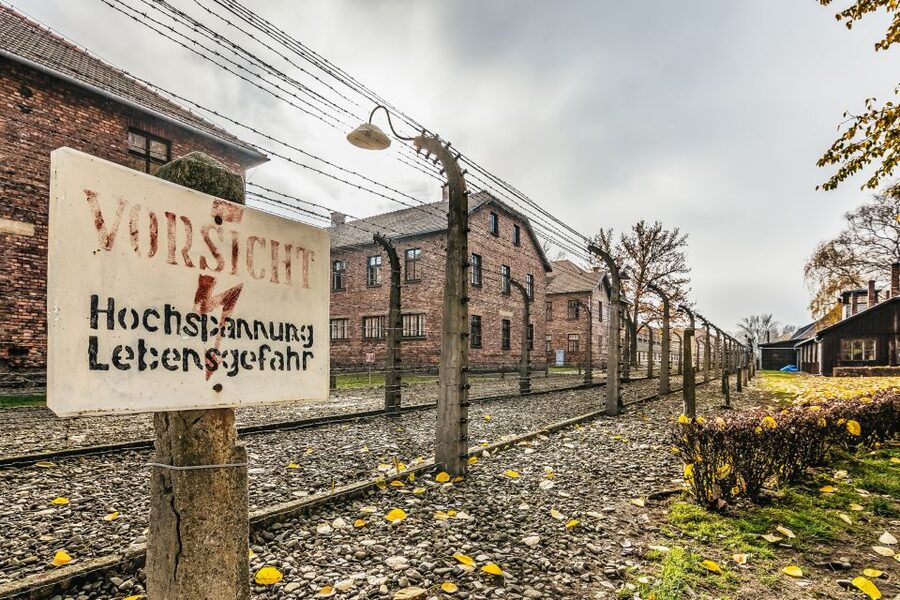
- Auschwitz I and the famous gate
- The short break and transfer to Birkenau
- Birkenau and the scale of the site
- How good is the $21 price?
- What to bring, wear, and leave behind
- The emotional weight of the visit
- Who should book this guided tour?
- Should you book the Auschwitz-Birkenau tour?
- FAQ
- How long does the Auschwitz-Birkenau guided tour last?
- What languages are available?
- Is transportation from Krakow included?
- Is transportation between Auschwitz I and Birkenau included?
- What identification should I bring?
- Can I bring a large backpack or luggage?
- Can I cancel for a refund?
Key points to know before booking
- The tour covers two separate camps: Auschwitz I is about preserved buildings and exhibitions, while Birkenau is the vast outdoor site with railway tracks and barracks.
- The visit lasts 210 minutes: Plan for roughly 90 minutes at Auschwitz I, a short break, and about an hour at Birkenau, with time also needed to move between locations.
- The guide sets the tone: The strongest part of the tour is the live explanation, with guides praised for care, detail, and thoughtful language.
- Transportation is not included: You must arrange your own way to the meeting point and between Auschwitz I and Birkenau, although a free museum shuttle runs between the sites.
- Pack light and dress respectfully: Bags larger than 20 by 30 centimeters are not allowed, and short skirts or sleeveless shirts are not permitted.
- This is not a casual outing: Children under 12 and wheelchair users are not considered suitable for this tour, and Birkenau requires extended walking outdoors.
Why a guided visit matters at Auschwitz-Birkenau
You can walk around the memorial on your own, but I think a guide adds real value here. The site is large, the subject is difficult, and many details are not obvious from the buildings alone. A good educator gives names, dates, context, and meaning to places that might otherwise blur together.
The guides praised most often are not simply reciting facts. They explain what you are seeing and make room for questions. One guide, Jacob, reportedly explained the plan at the beginning, pointed out when photographs were not appropriate, and invited questions at the end. That sort of direction helps you behave properly in a place where the usual sightseeing habits do not fit.
The tour is offered in English, German, French, Spanish, and Italian. English delivery is often clear, but not always. One visitor found the guide difficult to understand, so I would pay attention to the selected language when booking and be prepared for differences in accent or speaking pace.
Headsets are included. They matter because groups can spread out, especially outdoors at Birkenau. A few people have reported patchy audio equipment, but the headsets are still useful when the guide is speaking near a building or while the group is walking.
More Auschwitz-Birkenau memorial tours:
- From Krakow: Auschwitz-Birkenau Guided Tour & Hotel Pickup
★ 4.5 · 33,358 reviews - From Krakow: Auschwitz-Birkenau Guided Tour & Hotel Pickup
★ 4.5 · 29,340 reviews - Krakow: Auschwitz Guided Tour with Optional Hotel Pickup
★ 4.5 · 15,280 reviews
Meeting near the museum entrance
Your meeting point can change depending on the option you book. You receive the exact start time and meeting information close to the date of the tour, with the precise starting time sent the day before. The available touring window runs from 7:30 in the morning to 3:00 in the afternoon.
This late confirmation is practical for the operator, since museum entry times can shift, but it can be awkward for your planning. A booking made for 11:00 has been moved to 1:00, which created a tight connection with a return bus. If you have a train, bus, or other fixed plan afterward, leave a generous cushion.
Finding the representative can also take a little patience. Several people have had trouble spotting the correct person at the entrance, especially when they arrived independently. In one case, a phone call solved the problem quickly. I would keep your phone charged, check messages before leaving, and arrive early enough to locate the group without panic.
You need to provide your full name and contact details when booking. Bring a passport or ID card, since this is required information for entry. The operator may cancel for reasons beyond its control, but a full refund is provided in that situation.
Auschwitz I and the famous gate
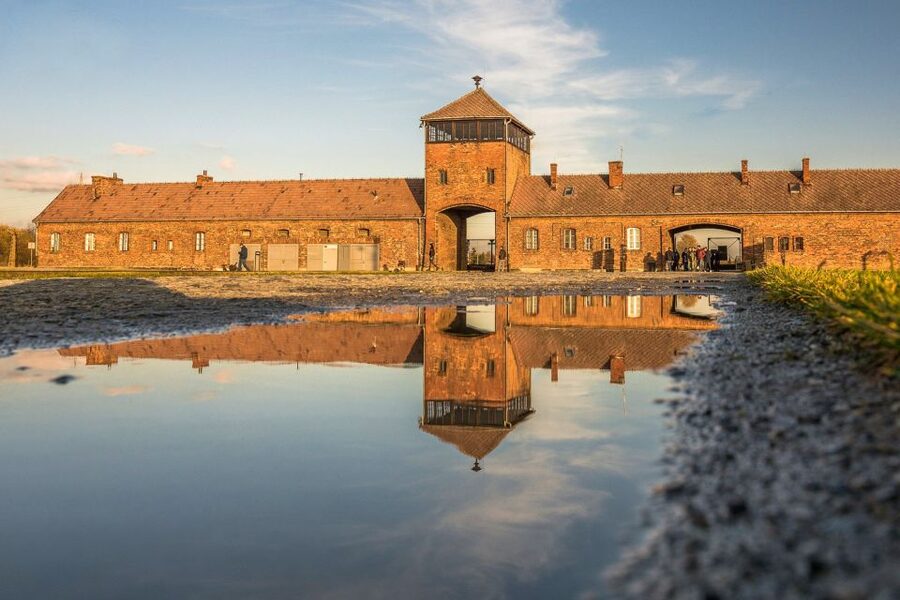
The first part of the visit enters Auschwitz I through the gate marked Arbeit macht frei. It is a familiar image from photographs and history books, but seeing it in person changes its effect. The gate leads into a preserved camp setting, not a theatrical reconstruction.
Here, the guide takes you through original buildings and explains how prisoners were held. The barracks and exhibitions show the cramped, controlled conditions of camp life. You will also encounter objects and displays connected with the people imprisoned and murdered there. The power of this section comes from its detail: the buildings give the subject a physical scale, while the guide supplies the human and historical context.
The camp is not presented as a normal museum visit. You may be asked not to take photographs in certain areas, and you should follow those instructions without debate. A respectful visit means listening, keeping your voice low, and remembering that the site is also a cemetery and memorial.
The pace is generally steady, but it can feel quick. One person wanted more time inside some buildings to read the displays. That is a fair criticism. A guided group must follow its scheduled entry and stay with the route, so you may not have unlimited time at every exhibit.
The group size can be around 20 people, based on one reported tour. That is small enough for a guide to manage but large enough that you should stay alert and close. If you walk slowly for medical reasons, tell the guide before the tour begins. One person was separated from the group at Birkenau after struggling to keep up, which is a serious issue to avoid.
The short break and transfer to Birkenau
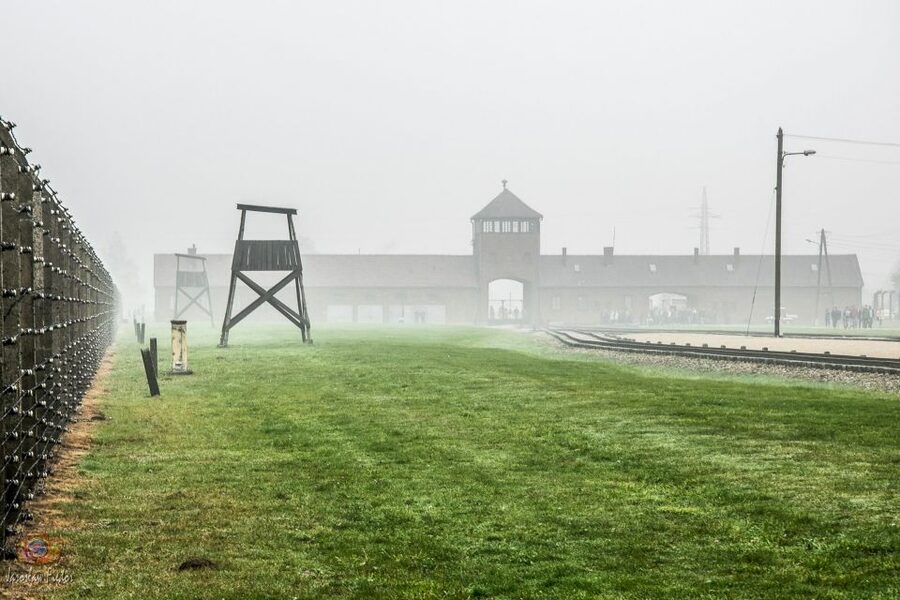
After Auschwitz I, the tour includes a break of about 10 to 15 minutes. This is not a long lunch stop. It is more of a chance to use facilities, collect yourself, and prepare for the second camp.
The booking does not include transportation between Auschwitz I and Birkenau. The sites are about two kilometers apart. If you arrive by car, follow the instructions given by the tour leader about reaching the parking area at Brzezinka, where Birkenau is located.
If you use public transportation, tell the tour leader before the visit begins. A free museum shuttle operates between the two camps, and one report describes it as running frequently, about every 20 minutes. Another tour had a bus waiting for the group. Because the exact arrangement may vary, do not assume the guide will personally provide a private transfer.
If you drive, do not automatically pay for parking at both sites. One practical suggestion is to use the free museum shuttle rather than moving your car and paying a second parking fee. Make sure you understand where to meet the group after the break. One independent arrival at Birkenau led to a long search for the guide.
This transfer is the least polished part of the experience. The historical content is strong, but the handoff between the two camps requires attention from you.
A few more in Kraków
- Krakow–Zakopane: Cable Car, Chocholow Baths, Cheese & Vodka
★ 5.0 · 10,720 reviews - Krakow: Auschwitz-Birkenau Guided Tour with Pickup & Lunch
★ 4.5 · 9,800 reviews - From Krakow: Wieliczka Salt Mine Tour
★ 4.6 · 9,393 reviews - Krakow: Auschwitz-Birkenau Guided Tour Pickup/Lunch Options
★ 4.5 · 9,057 reviews
Birkenau and the scale of the site
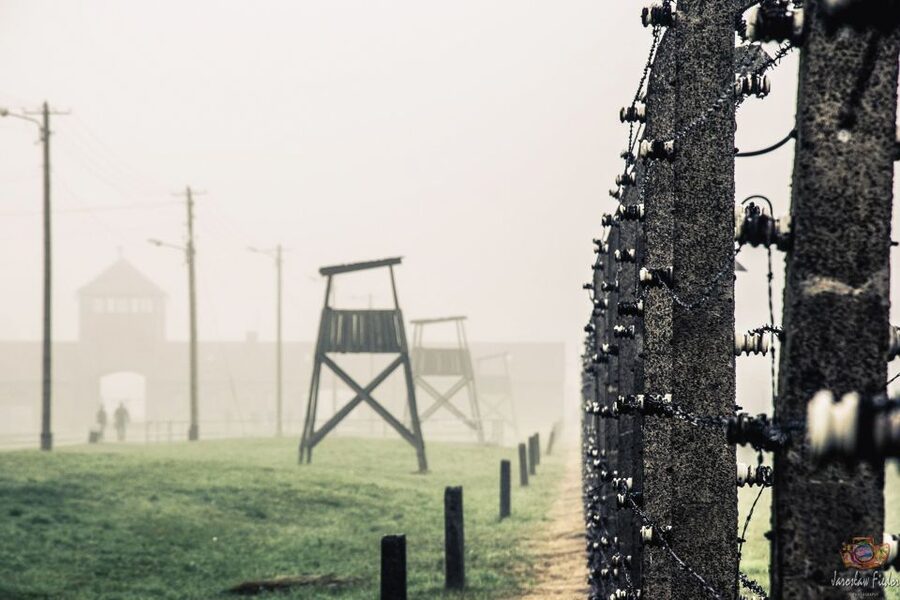
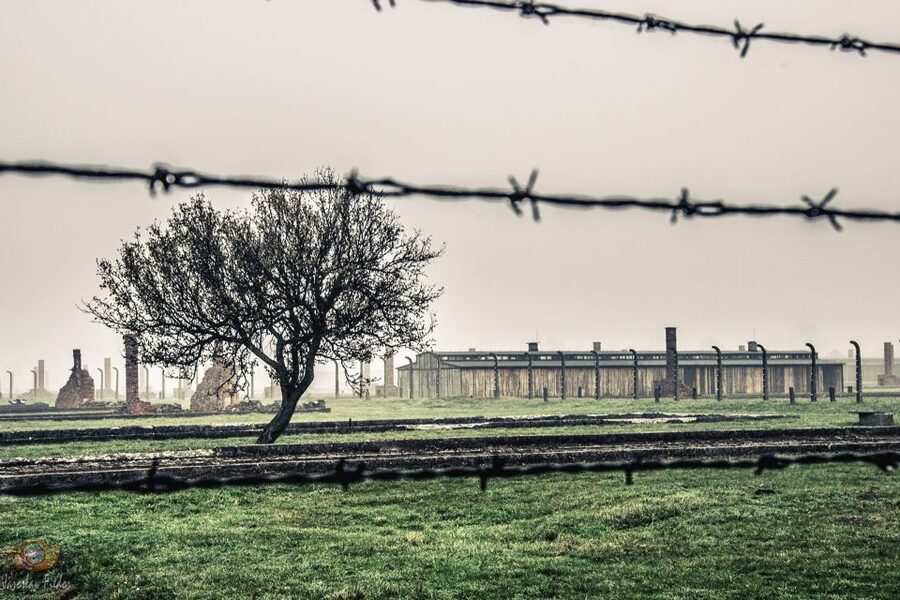
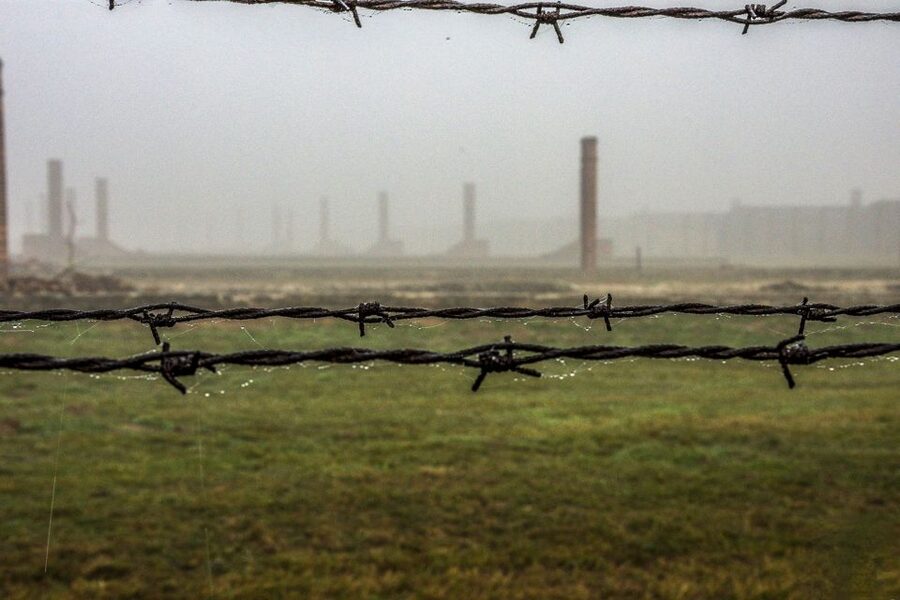
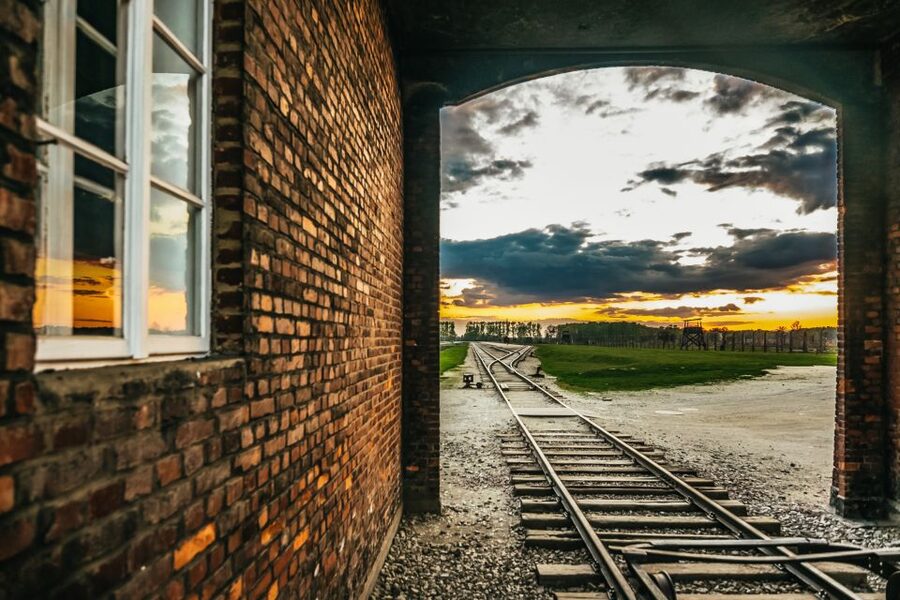
Birkenau feels very different from Auschwitz I. Instead of a compact set of preserved buildings, you enter a broad open area marked by railway tracks, barracks, fences, and ruins. The sheer size is difficult to take in from a photograph.
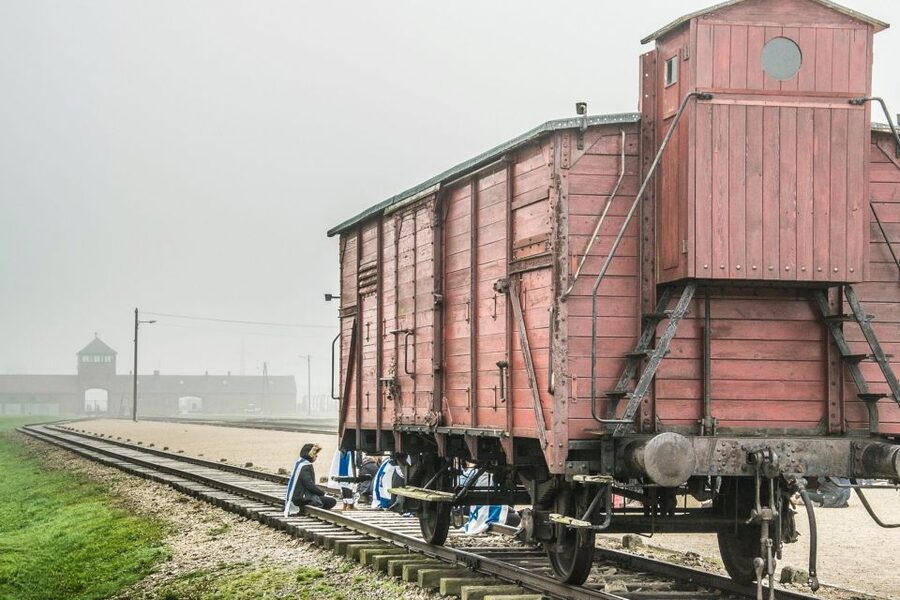
The train tracks are a central part of the visit. They help explain how prisoners arrived and how the camp functioned as part of the Nazi Final Solution. The barracks show the harsh conditions in which people were held, while the open ground makes the scale of the operation plain.
Expect to spend about an hour here, much of it outside. In winter, that means cold wind and hard ground. December visitors have stressed the need for warm clothing because the group spends long periods standing and walking outdoors. In warmer weather, bring drinks and consider packing a simple lunch, since the full visit takes several hours.
Birkenau is also where the tour can feel most emotionally overwhelming. The broad field, the ruined structures, and the knowledge of what occurred there leave less distance between you and the subject. You may find yourself walking quietly, and that is perfectly normal.
The guide continues to explain the camp, but you may have brief moments to look around at your own pace. Keep the group in sight. The site is open and spread out, and it is easier than you might expect to fall behind.
How good is the $21 price?
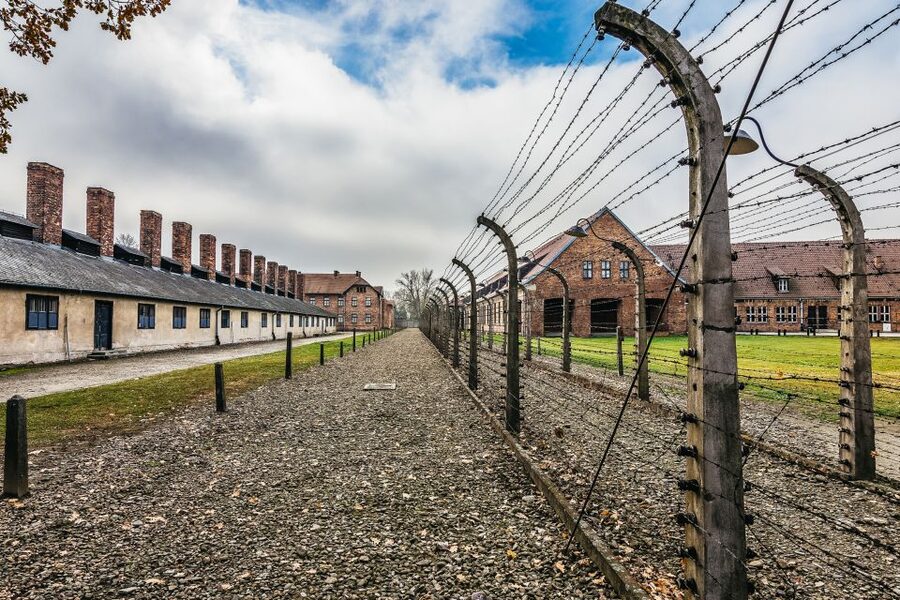
At $21 per person, this is a low-cost way to secure museum entry and a guided visit. The price includes the fast-track entry ticket, museum guide, and headset. It does not include pickup from Krakow, parking, or transport between Auschwitz I and Birkenau.
The value depends on what you need. If you are comfortable arranging transport and want a guide to explain the site, the price is attractive. You get access to both camps without paying for a private tour. One person described it as the least expensive way they found to visit Auschwitz.
You are not paying for luxury. You are paying for admission organization, a scheduled guide, and help making sense of a difficult place. If the meeting point is unclear or the tour time changes, the low price may feel less appealing. You should also count transport costs from your base and allow time for delays.
The average rating is 4.4 from 1,038 ratings, which fits the overall picture: strong historical guidance and generally good organization, with occasional trouble involving communication, audio, pacing, or transfers.
What to bring, wear, and leave behind
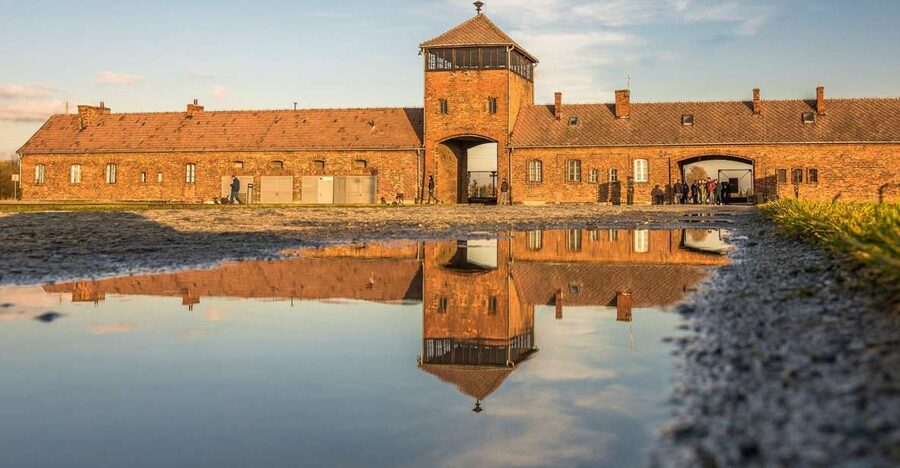
Bring your passport or ID card, drinks, and a packed lunch. The visit lasts 210 minutes, and the short break is not designed as a full meal stop.
Your bag must be small. Large bags and backpacks are not permitted inside, with a maximum size of 20 by 30 centimeters. Pack only what you need, since luggage storage details are not included in the tour information.
Dress for a memorial visit and for the weather. Short skirts and sleeveless shirts are not allowed. Birkenau is largely outdoors, so warm layers and comfortable shoes are sensible, especially in winter.
Pets, smoking, alcohol, and drugs are prohibited. Smoking is also not allowed in the vehicle. Photography rules apply in certain areas, so wait for the guide’s instruction rather than treating the site like an ordinary attraction.
Children under 12 are not considered suitable for this tour, and wheelchair users cannot take part. Families should also note that strollers cannot go inside some areas, so a toddler may need to be carried.
The emotional weight of the visit
Auschwitz-Birkenau is not an attraction to squeeze between lighter activities without thought. The tour deals directly with mass murder, imprisonment, starvation, forced labor, and the destruction of human lives. Even people who have read extensively about the Holocaust can find the physical site far more powerful than expected.
I appreciate that the best guides use careful language and allow the place to remain serious. The guide’s role is not to perform grief or force a reaction. It is to explain clearly, answer questions, and give you room to think.
You might leave without much to say. That is not a sign that the tour failed. One person described a silent train ride back to Krakow after the visit. Give yourself time afterward rather than planning a demanding evening event immediately after returning.
The memorial deserves patience and respect from everyone in the group. Avoid joking, loud conversation, or inappropriate photos. Your behavior affects the experience for other people and, more importantly, the dignity of the place itself.
Who should book this guided tour?
I would choose this tour if you want a structured first visit and prefer not to study the site alone. It suits adults and older teenagers who can manage several hours of walking, outdoor exposure, and emotionally difficult subject matter.
It also works well if you speak English, German, French, Spanish, or Italian and want a live explanation in one of those languages. The strongest part is the guide, so this is a better choice for you if context and interpretation matter more than having unlimited time at each display.
I would hesitate if you need a relaxed pace, full control over every stop, or guaranteed private transport. The schedule can feel rushed, and the transfer between camps is not included. If you have mobility concerns, contact the operator before booking, since wheelchair users are not accepted and one person with walking difficulties struggled to remain with the group.
Should you book the Auschwitz-Birkenau tour?
Book it if you want an affordable guided visit to both Auschwitz I and Birkenau, and you are willing to handle the transport details yourself. The guides are the main reason to choose it, with repeated praise for clear explanations, sensitivity, organization, and help before the tour begins.
Do not book it casually. Read the museum’s visitor guidance beforehand, wear suitable clothing, arrive early, and keep your schedule flexible in case the entry time changes. If you can accept the brisk pace and short break, the $21 price offers solid value for a serious, carefully guided visit to one of Europe’s most important memorial sites.
FAQ
How long does the Auschwitz-Birkenau guided tour last?
The stated duration is 210 minutes, or three and a half hours. The first camp generally takes about 90 minutes, followed by a short break and a visit of about an hour at Birkenau.
What languages are available?
The live guide is available in English, German, French, Spanish, and Italian.
Is transportation from Krakow included?
No. Hotel pickup and drop-off are not included. You must make your own way to the meeting point.
Is transportation between Auschwitz I and Birkenau included?
A private transfer is not included. The camps are about two kilometers apart, and a free museum shuttle operates between them. If you use public transport, tell the tour leader before the visit begins.
What identification should I bring?
Bring your passport or ID card. The museum also requires your full name and contact details during booking.
Can I bring a large backpack or luggage?
No. Large bags and luggage are not allowed. The maximum permitted bag size is 20 by 30 centimeters.
Can I cancel for a refund?
You can cancel up to 24 hours before the tour for a full refund. The tour may also be canceled for reasons beyond the operator’s control, in which case a full refund is provided.
Just added in Kraków
- Auschwitz-Birkenau – Skip the Line Tickets★ 3.5 · 29 reviews
- Auschwitz-Birkenau: Fast-Track Ticket & Guided Tour No Transfers★ 3.5 · 17 reviews
- Zakopane & Sleigh Ride with Bonfire – Group Tour from Kraków★ 5.0 · 2 reviews
- Sleigh Ride & Bonfire in Zakopane with Funicular – Private Trip★ 5.0 · 48 reviews
- Thermal Baths & Zakopane – Private Trip from Krakow★ 5.0 · 1 review
- Zakopane & Gubalowka Funicular – Private Winter Tour from Krakow★ 5.0 · 10 reviews
- Divine Mercy Sanctuary – Private Tour from Krakow★ 5.0 · 4 reviews
- stag dog chase Krakow prank★ 5.0 · 4 reviews