
REVIEW · AUSCHWITZ-BIRKENAU MEMORIAL TOURS
Auschwitz-Birkenau: Museum Entry Ticket with Guided Tour
Some places demand your full attention. This 210-minute guided visit combines entry, an English-speaking guide, and headsets, so you can focus on Auschwitz I and Auschwitz II-Birkenau rather than sorting out admission. I especially like that you meet the authorised guide on-site and that the headset keeps the commentary audible in a large group.
I also like the clear two-part format: barracks and exhibitions at Auschwitz I, followed by the railway platform and camp remains at Birkenau. The main drawback is the pace. The museum controls the timing, and several people have found the visit emotional and a little rushed. You also need to arrange your own transport to the museum and back.
In This Review
- Key points to know before booking
- Why this visit matters
- Meeting your guide at the visitor center
- Auschwitz I: barracks, exhibitions, and the main camp entrance
- The 30-minute break between the two sites
- Auschwitz II-Birkenau: the railway and the camp ruins
- What the English group format is really like
- Is $52 good value?
- What to wear and what to leave behind
- Who should choose this tour?
- Should you book Auschwitz-Birkenau with an English guide?
- FAQ
- Where does the tour begin?
- Is transport to Auschwitz included?
- How long does the experience last?
- What language is the guided tour in?
- Are museum tickets included?
- Do I need a passport or ID card?
- What size bag can I bring?
- Can children join the tour?
- Is the tour suitable for people with mobility impairments?
Key points to know before booking
- The tour covers both camps: You visit Auschwitz I for about 105 minutes and Auschwitz II-Birkenau for about 75 minutes, with a 30-minute break between them.
- The guide speaks English: The live guide leads the group on-site, and headsets help you hear from a distance.
- Your transport is your responsibility: You make your own way to the visitor center and return by your own transport.
- Bring matching identification: Your full name must match your passport or ID card exactly, or entry may be refused.
- Pack very lightly: Bags, purses, and backpacks must be no larger than 30 by 20 by 10 centimeters.
- Allow some schedule flexibility: The stated time is approximate and can change by as much as four hours.
Why this visit matters
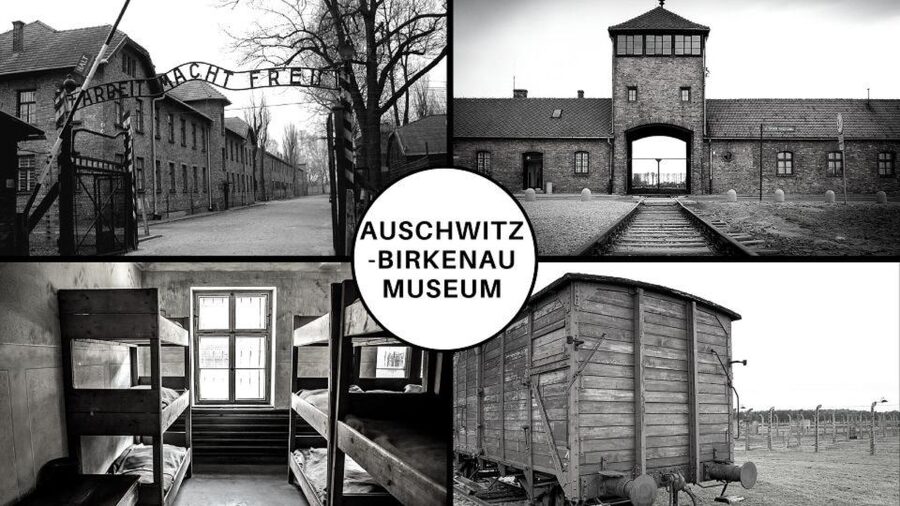
Auschwitz-Birkenau is not a normal sightseeing stop. It is a memorial and museum at the site of the former German Nazi concentration and extermination camps, built during the Second World War near Oswiecim. The scale is difficult to grasp from photographs alone, which is why walking through the grounds with a guide can give the visit shape and meaning.
More than 1.5 million people were murdered here, according to the information provided at the memorial. They came from 28 nationalities, and nearly 90 percent were Jewish. Those figures are important, but the museum is most powerful when it moves from numbers to individual lives, personal belongings, photographs, documents, and the cramped spaces where prisoners were held.
I would not treat this as a quick attraction to fit between lunch and another museum. The subject is painful, and the visit asks for quiet attention. The strongest parts are often not the most dramatic sights, but the ordinary details presented inside the barracks.
The experience has a 4.2 rating from 146 bookings, which fits the practical picture: the tour delivers an important and well-organized visit, but group size, language ability, crowding, and schedule changes can affect how it feels.
More Museums in Kraków
- Auschwitz-Birkenau Museum and Memorial Guided Tour from Krakow
★ 4.5 · 1,510 reviews - Krakow: Rynek Underground Museum Guided Tour
★ 4.6 · 1,122 reviews - Krakow Schindler’s Factory Museum Guided Tour in English
★ 4.5 · 650 reviews
Meeting your guide at the visitor center
You begin at the Auschwitz-Birkenau Museum Visitor Center, officially listed as the Centrum Obsługi Odwiedzających Muzeum Auschwitz-Birkenau. Look for the information boards beside the gate leading toward the parking area.
This detail matters. The museum grounds are large, and you do not want to arrive at the last moment and then search for the right meeting point. Give yourself enough time to locate the visitor center, pass through the entrance process, and have your passport or ID ready.
The tour includes skip-the-line museum entry, but that does not mean you can ignore the museum’s security and identification rules. Every participant must provide a full name and contact details during booking. The name must be identical to the name on the passport or ID card.
I would also check the confirmed start time shortly before the visit. Museum scheduling can change, sometimes by as much as four hours. The stated 210 minutes is a useful planning guide, not a promise that your day will run to the minute.
Auschwitz I: barracks, exhibitions, and the main camp entrance
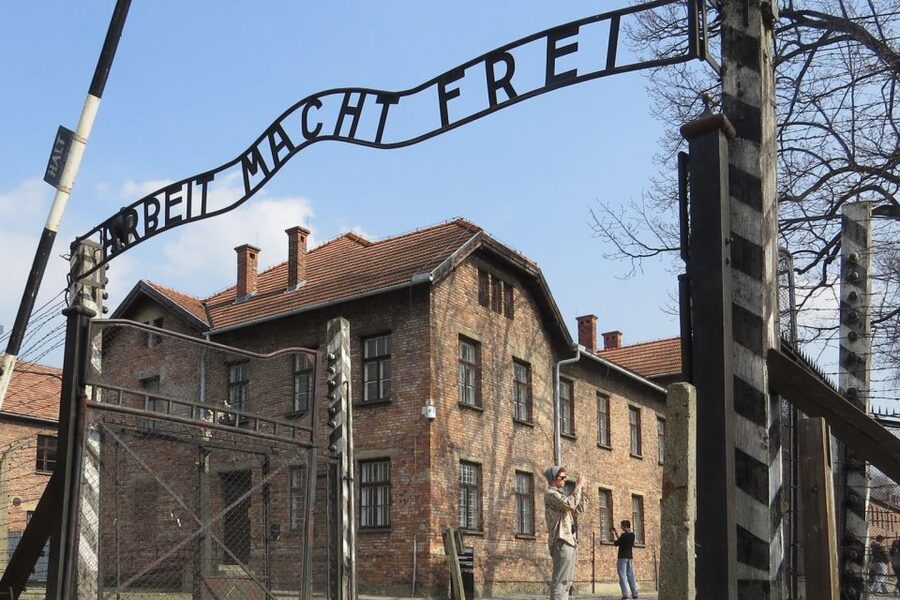
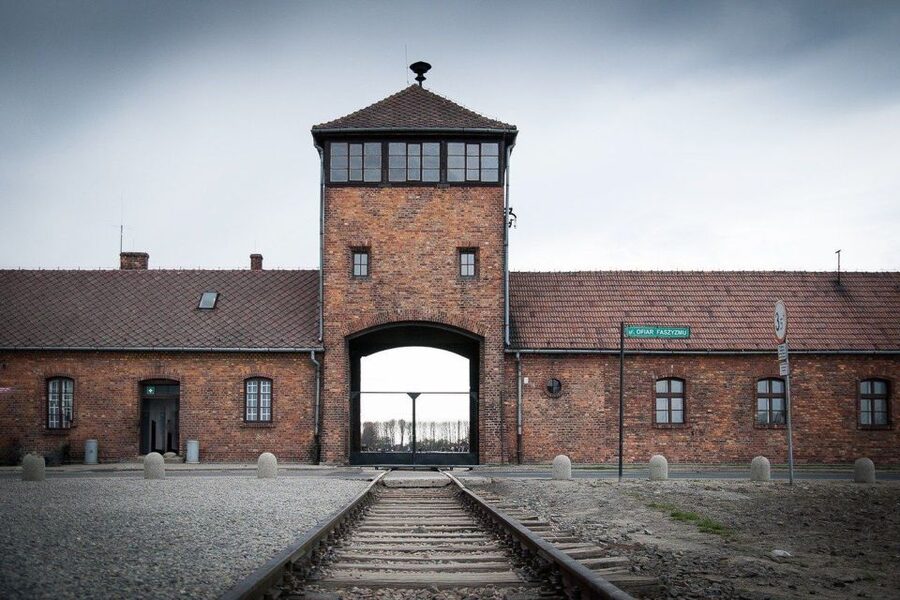
The first guided section lasts about 105 minutes. You enter Auschwitz I, the older part of the complex, through the infamous gate and walk across the former camp grounds.
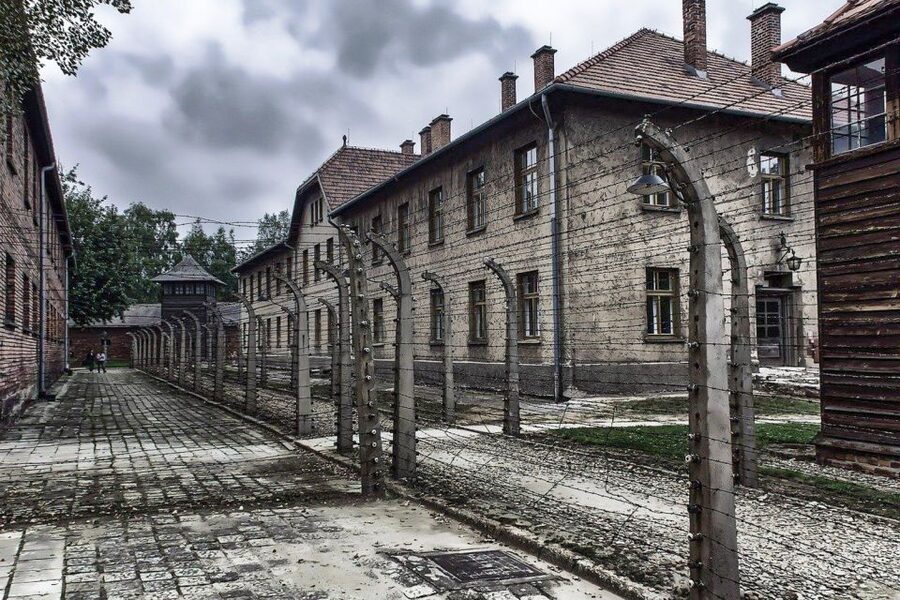
The recognizable entrance is only the beginning. The guide then takes you through barracks that now house museum exhibitions. These displays explain how people were transported, imprisoned, persecuted, and killed. They also help you understand the organization of the camp and the different groups targeted by the Nazi system.
You will see the physical setting where prisoners were forced to live. The barracks and camp paths make the scale more immediate than a written account can. At the same time, you should expect a serious museum visit rather than a theatrical presentation. The power comes from the real setting and the evidence preserved there.
I like the use of headsets here. Auschwitz I can be crowded, and the group may spread out as people stop to look at displays. A headset lets you hear the guide without standing shoulder to shoulder or straining to catch every sentence.
The guide’s role is important. A good explanation can connect the buildings, objects, and dates without turning the visit into a list of facts. One particularly moving account described an English-speaking guide with a personal connection to the camps and the period, speaking from the heart. That kind of personal connection can make the commentary feel direct, but the quality of any particular guide will naturally vary.
The first section can feel fast. You have only about 105 minutes for the camp grounds and indoor exhibitions, and the museum service controls the pace. You may not be able to pause as long as you want at every display. If you tend to read every panel slowly, you will need to choose carefully and stay close to the group.
The 30-minute break between the two sites
After Auschwitz I, you have about 30 minutes of free time before the Birkenau section. Use it sensibly. This is your chance to collect yourself, use the facilities if needed, and prepare for the second part of the visit.
The transfer to Auschwitz II-Birkenau requires attention to your transport arrangements. The experience description says you come to the memorial and return using your own means of transport, so do not assume a hotel pickup or a tour vehicle is included. Plan how you will move from Auschwitz I to Birkenau and how you will get back afterward.
The break may sound generous, but it is not a long meal stop. Bring water and a small snack if you need one, while keeping in mind the strict bag-size rules. You should also expect the emotional weight of the first section to continue into the second.
More Auschwitz-Birkenau memorial tours:
- From Krakow: Auschwitz-Birkenau Guided Tour & Hotel Pickup
★ 4.5 · 33,358 reviews - From Krakow: Auschwitz-Birkenau Guided Tour & Hotel Pickup
★ 4.5 · 29,340 reviews - Krakow: Auschwitz Guided Tour with Optional Hotel Pickup
★ 4.5 · 15,280 reviews - Krakow: Auschwitz-Birkenau Guided Tour with Pickup & Lunch
★ 4.5 · 9,800 reviews
Auschwitz II-Birkenau: the railway and the camp ruins
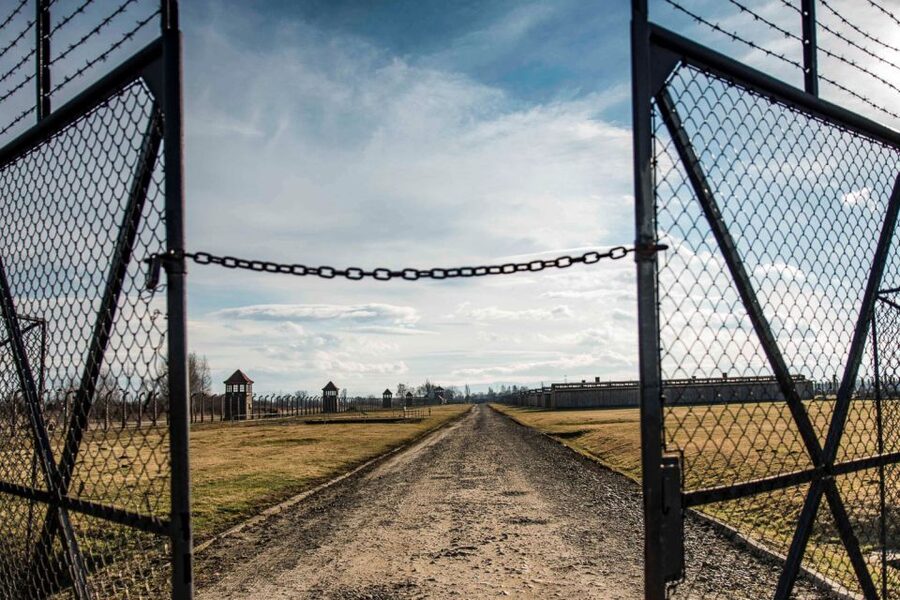
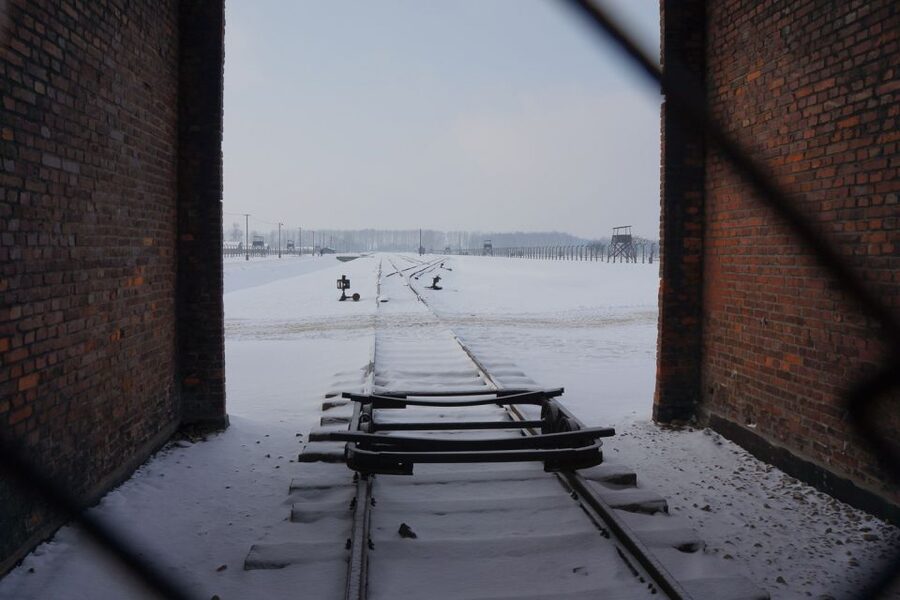
The Birkenau visit lasts about 75 minutes. This is the much larger site, where the railway played a central role in transporting prisoners into the camp.
Walking along the railway gives the second half of the tour a different character. At Auschwitz I, you spend more time among preserved buildings and indoor displays. At Birkenau, the open grounds, railway platform, barracks, and ruins show the enormous scale of the operation.
The guide explains how people arrived and what happened after they were brought into the camp. You see the remains of gas chambers destroyed by the Nazis near the end of the war. The ruins are stark, but the guide’s context is what makes them understandable.
Do not expect Birkenau to feel like a conventional museum visit. The site is broad and exposed, and the walking can be tiring. Comfortable shoes are essential. The tour is not suitable for people with mobility impairments, and the memorial does not recommend it for children under 14.
The 75-minute schedule also means you will not have unlimited time to wander. Stay aware of the guide and group, especially if you stop near the railway or the ruins. The headset helps, but it does not replace keeping an eye on where the group is moving.
What the English group format is really like
This is an English-language group tour, not a private visit. That keeps the price lower than a private guide, but you will share the experience with other people and follow the museum’s schedule.
A headset is a useful inclusion. It reduces one common problem on group tours: missing the guide’s words when you are standing several steps away. Still, the headset cannot solve every language issue. If your English is limited, or if members of your group are not comfortable with English, the commentary may be difficult to follow.
One booking involved a group of Dutch speakers who found the English presentation hard to understand and wished a Dutch option had been available. That is a fair warning. If your preferred language is not English, check carefully before paying, because the available language for this experience is English.
Crowds can also affect the atmosphere. Auschwitz is a major memorial site, and you may encounter a busy entrance or a packed group. The headset and an authorised guide help keep the visit orderly, but they cannot make the site private.
Is $52 good value?
At $52 per person, the price includes museum admission, skip-the-line entry, the guided group tour, and headsets. It does not include your transport to the museum, your return journey, or a private guide.
For me, the value comes from convenience and structure. Auschwitz-Birkenau requires advance planning, and museum entry is controlled. Having a booked place and an on-site guide removes much of the uncertainty. You also cover both Auschwitz I and Birkenau in one organized visit rather than trying to understand the layout alone.
The value is less compelling if you already have a confirmed museum ticket and can arrange an official guided visit directly at a lower total cost. You should compare the complete price, including any transport and booking fees, rather than looking only at the $52 figure.
There is also a practical cost to the fixed schedule. If your plans change, the activity is non-refundable. The booking information says it is generally possible to change the date and time after purchase when necessary, but you need to contact the local partner and should not count on last-minute flexibility.
What to wear and what to leave behind
Comfortable shoes are the first priority. You will walk at both sites for a total of roughly three hours, and Birkenau in particular requires movement across a large memorial ground.
The museum does not allow shorts or sleeveless shirts. Weapons and sharp objects are prohibited, and large luggage cannot enter. Your bag, purse, or backpack must be no bigger than 30 by 20 by 10 centimeters.
This is a place for simple, respectful clothing. You do not need special equipment, but you do need to dress within the rules and bring identification. Keep your belongings to a minimum so security and entry do not slow you down.
Who should choose this tour?
I would choose this tour if you want an English-language introduction to both camps, prefer a guide to explain what you are seeing, and value having admission organized in advance. It suits adults and older teenagers who can handle difficult material and several hours of walking.
It is also useful if you are visiting the area independently and do not need hotel transportation. You make your own way to the visitor center, then follow the scheduled museum program.
I would look elsewhere if you need a private pace, a language other than English, extensive time at individual exhibits, or assistance with mobility. I would also avoid booking it as a casual family outing for young children. The minimum stated age is 14, and the subject deserves preparation.
Most of all, choose it because you want to learn and remember, not simply because Auschwitz appears on a sightseeing checklist. The visit can be deeply emotional, but that is part of its purpose. The memorial asks you to face what happened and carry its lessons beyond the gates.
Should you book Auschwitz-Birkenau with an English guide?
Book it if you want a structured visit to both Auschwitz I and Birkenau, appreciate clear commentary through a headset, and can keep your schedule flexible. The guide, included entry, and two-site format make the $52 cost reasonable for many independent visitors.
Before paying, confirm the language, check the meeting point, prepare matching identification, and leave room in your day for a possible time change. Bring comfortable shoes, wear permitted clothing, and carry only a small bag.
This is not the tour for speed or comfort. It is a serious memorial visit with a fixed pace and some logistical limits. For an English-speaking adult who wants help understanding the site without arranging every detail alone, it offers a practical and respectful way to visit.
FAQ
Where does the tour begin?
Meet at the Auschwitz-Birkenau Museum Visitor Center, or Centrum Obsługi Odwiedzających Muzeum Auschwitz-Birkenau. Look for the information boards beside the gate leading to the parking area.
Is transport to Auschwitz included?
No. You must reach the memorial and return using your own means of transport.
How long does the experience last?
The stated duration is 210 minutes. The schedule includes about 105 minutes at Auschwitz I, 30 minutes of free time, and 75 minutes at Auschwitz II-Birkenau. The actual timing may change by up to four hours.
What language is the guided tour in?
The live guided tour is in English.
Are museum tickets included?
Yes. The price includes skip-the-line entry to the Auschwitz-Birkenau Memorial and Museum.
Do I need a passport or ID card?
Yes. Bring a passport or ID card. The name used during booking must match the name on your identification exactly.
What size bag can I bring?
The maximum permitted size for luggage, purses, backpacks, and similar bags is 30 by 20 by 10 centimeters.
Can children join the tour?
Children under 14 are not considered suitable for this activity.
Is the tour suitable for people with mobility impairments?
No. The experience is not suitable for people with mobility impairments. Comfortable shoes are recommended for the walking involved.
Just added in Kraków
- Auschwitz-Birkenau – Skip the Line Tickets★ 3.5 · 29 reviews
- Auschwitz-Birkenau: Fast-Track Ticket & Guided Tour No Transfers★ 3.5 · 17 reviews
- Zakopane & Sleigh Ride with Bonfire – Group Tour from Kraków★ 5.0 · 2 reviews
- Sleigh Ride & Bonfire in Zakopane with Funicular – Private Trip★ 5.0 · 48 reviews
- Thermal Baths & Zakopane – Private Trip from Krakow★ 5.0 · 1 review
- Zakopane & Gubalowka Funicular – Private Winter Tour from Krakow★ 5.0 · 10 reviews
- Divine Mercy Sanctuary – Private Tour from Krakow★ 5.0 · 4 reviews
- stag dog chase Krakow prank★ 5.0 · 4 reviews