
REVIEW · AUSCHWITZ-BIRKENAU MEMORIAL TOURS
Auschwitz-Birkenau: Entry Ticket with Guided Tour
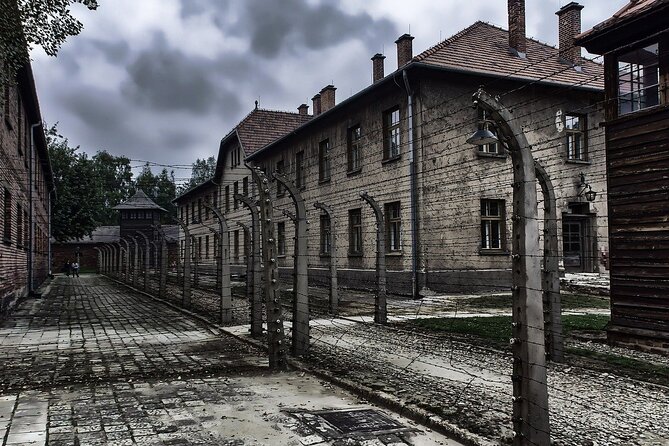
The past is impossible to ignore here. This 3 to 4-hour visit covers Auschwitz I and Auschwitz II-Birkenau, giving you a guided introduction to the former Nazi camps where more than one million people were killed during the Second World War. I like the live guide and the chance to visit both sites in one outing, but I would take the uncertain start time and strict cancellation rule seriously.
At $52.25 per person, the price can be fair if you value a guide who helps explain the site and its memorial meaning. The weak point is communication: the start time is only approximate, may change shortly before the visit, and one booking was reportedly changed from 11 a.m. to 7:30 a.m. the evening before.
In This Review
- Key points to know before booking
- Why this Auschwitz visit matters
- Auschwitz I: the first part of the guided visit
- Auschwitz II-Birkenau: why the second site matters
- The guide and language options
- Timing problems you need to take seriously
- Booking early is not optional
- Is $52.25 a fair price?
- Getting ready for the memorial
- Who should book this experience?
- Should you book the Auschwitz-Birkenau guided tour?
- FAQ
- Where does the Auschwitz-Birkenau guided tour take place?
- How long does the visit last?
- Is a guide included?
- What languages may be available?
- When will I know the exact starting time?
- How large can my bag be?
- Are food and drinks included?
- Can I cancel or change the booking?
Key points to know before booking
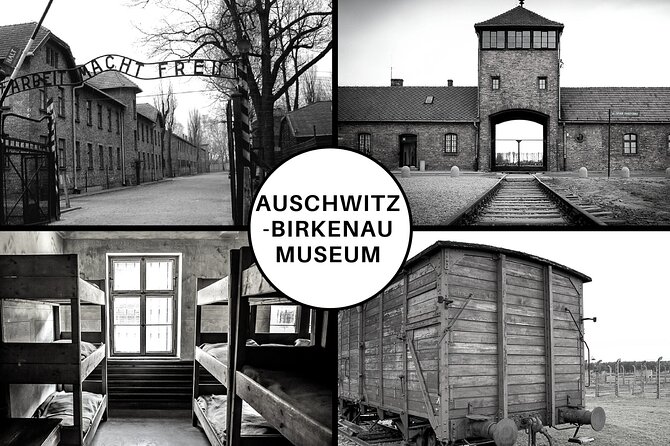
- Two former camps in one visit: The route includes Auschwitz I and Auschwitz II-Birkenau, not just the better-known brick buildings at the first site.
- English live guide: The listed visit is guided in English, while private tour arrangements may be available in a wide range of languages.
- Plan for a changing start time: Your final meeting time is confirmed only 1 or 2 days before the visit.
- Small bags only: Bags, purses, backpacks, and other luggage must be no larger than 30 by 20 by 10 centimeters, about the size of an A4 sheet.
- A serious, physically active visit: You should expect walking and come dressed modestly for the character of the memorial.
- Book early and protect your schedule: The visit is often booked about 24 days ahead, and buying directly at the museum can be very difficult.
Why this Auschwitz visit matters
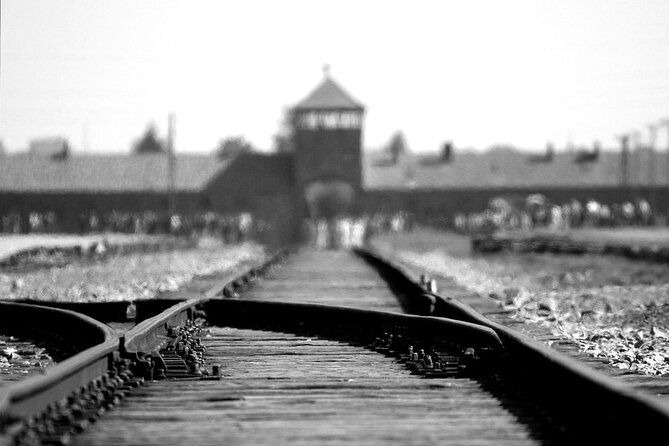
Auschwitz-Birkenau is not a normal sightseeing stop. You are entering a place built for imprisonment, forced labor, and mass murder. The value of a guided visit is not entertainment or a long list of dates. It is having someone help you understand what you are seeing without turning the site into a collection of shocking images.
The tour covers more than one million victims of the Nazi camp system during the Second World War. That figure is almost too large to grasp, which is why the physical setting matters. The buildings, grounds, and surviving camp structures give scale to events that can otherwise feel distant and abstract.
I appreciate that this experience includes both Auschwitz I and Auschwitz II-Birkenau. Seeing only the first site would leave out much of the physical setting and history. The two locations have different visual characters, and the combined visit gives you a fuller picture of how the camp system operated.
You should also prepare for a quiet, restrained experience. This is not the place for casual sightseeing habits, loud conversation, or rushed photographs. Modest clothing is expected, and that is a reasonable request at a memorial of this nature.
More Auschwitz-Birkenau memorial tours:
- From Krakow: Auschwitz-Birkenau Guided Tour & Hotel Pickup
★ 4.5 · 33,358 reviews - From Krakow: Auschwitz-Birkenau Guided Tour & Hotel Pickup
★ 4.5 · 29,340 reviews - Krakow: Auschwitz Guided Tour with Optional Hotel Pickup
★ 4.5 · 15,280 reviews
Auschwitz I: the first part of the guided visit
The first part takes place at Auschwitz I, the former camp that now contains the Auschwitz-Birkenau Museum and Memorial. This is the portion specifically described as being guided in English by a live guide.
A guide can help you read the site in context. Without guidance, you may notice fences, buildings, displays, and pathways but miss how they fit together. A professional guide also gives the visit structure, which matters when the subject is emotionally difficult and the site contains more information than you can absorb at once.
The tour format should suit you if you want explanation as you move through the memorial rather than trying to study everything alone. You will not have to build your own route from scattered signs or decide which parts deserve the most attention. The guide is there to frame what you see and help maintain the proper tone.
Do not expect a light or flexible museum outing. The subject matter is disturbing, and the combination of walking and serious content can make the first site feel demanding. A moderate level of physical fitness is recommended, so wear practical shoes and be ready to spend several hours on your feet.
The visit is not described as including food or drinks. Bring only what the site rules allow, and do not count on buying refreshments as part of the tour. The small-bag limit is especially important here: your bag must be no larger than 30 by 20 by 10 centimeters.
Auschwitz II-Birkenau: why the second site matters
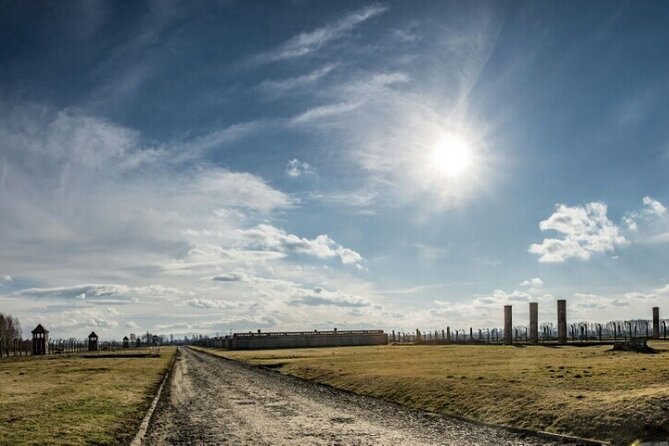
The second part of a visit to Auschwitz-Birkenau is important because Birkenau presents a different scale. The name Auschwitz often brings the first camp to mind, but Auschwitz II-Birkenau was also part of the camp complex and is essential to understanding the full site.
The combined itinerary gives you more than a short museum stop. You see two former camp locations during one organized visit, which is useful if your time in the area is limited. A 3 to 4-hour duration is long enough to make the journey worthwhile, but short enough to fit into a broader day in the Oswiecim area.
The available information gives more detail about the English-guided portion at Auschwitz I than about the exact sequence at Birkenau. That means you should view the itinerary as an organized visit to both sites, while understanding that the precise order, timing, and meeting instructions can change because of venue requirements.
This is also where the guide’s role becomes especially valuable. The grounds are extensive enough that a visitor can easily lose track of how each area connects to the wider camp system. A guide keeps the visit focused and helps you spend your limited time on the parts included in the route.
The guide and language options
The listed experience includes a professional guide, with the first part described as a live English-guided visit. That is the clearest choice if you want explanations in English and prefer not to manage the memorial independently.
Private tours are listed with language options including English, Italian, French, Spanish, German, Russian, Czech, Slovak, Croatian, Greek, Hebrew, Japanese, Korean, Dutch, Romanian, Serbian, Swedish, Ukrainian, Hungarian, and Polish. You should confirm the language arrangement before booking, since the details provided for this particular visit identify English as the guiding language.
The group can include up to 30 people. That is not a private experience, and you should not expect the same pace or personal attention as you would receive with a one-to-one guide. Still, a maximum of 30 keeps the group more manageable than a very large coach party.
A group of this size can affect how easily you hear the guide and how quickly everyone moves through the site. Stay close enough to hear instructions, especially if the meeting point or route changes. The memorial is not the kind of place where you want to spend time searching for your group.
A few more in Kraków
- Krakow–Zakopane: Cable Car, Chocholow Baths, Cheese & Vodka
★ 5.0 · 10,720 reviews - Krakow: Auschwitz-Birkenau Guided Tour with Pickup & Lunch
★ 4.5 · 9,800 reviews - From Krakow: Wieliczka Salt Mine Tour
★ 4.6 · 9,393 reviews - Krakow: Auschwitz-Birkenau Guided Tour Pickup/Lunch Options
★ 4.5 · 9,057 reviews
Timing problems you need to take seriously
The start time is not fixed at the moment of booking. The exact time is confirmed 1 or 2 days before the visit, and last-minute changes can happen because of the venue’s requirements.
This is the biggest practical weakness. One reported booking was initially shown at 11 a.m., then changed by text at 7 p.m. the evening before to a 7:30 a.m. meeting time. A change like that can affect breakfast, transport, hotel checkout, and any other plans you have in Krakow or Oswiecim.
Another serious communication problem involved a GPS pin that directed the customer inside the museum, beyond security and ticket control, rather than to a usable meeting place. I would not rely on a map pin alone. Read every message carefully, confirm where the group meets, and allow extra time for security and ticket checks.
The practical lesson is simple: keep the day before and the day of the visit flexible. Do not schedule a flight, train, important appointment, or tightly timed second tour immediately afterward. Check your phone and messages, and make sure the provider has the correct contact details.
Booking early is not optional
The experience is booked about 24 days in advance on average, and the information warns that direct ticket purchases at Auschwitz-Birkenau can be almost impossible. Since access is controlled and start times are assigned around venue requirements, waiting until the last moment is a poor plan.
Booking early is especially important if you have only one possible day in Poland. The booking confirmation arrives at the time of purchase, but that does not necessarily give you the final start time. You still need to watch for the confirmed schedule 1 or 2 days before the visit.
There is also a real cancellation risk connected with the provider. Two poor ratings describe bookings being canceled or not honored, including one case where the company sold a visit it could not provide. I cannot tell you how often this happens, but the possibility matters when you are building a whole trip around this memorial.
The experience is non-refundable and cannot be changed for any reason after booking. If you cancel, request an amendment, or simply cannot work with a changed time, the amount paid is not refunded. The only stated exception is if the minimum number of people is not reached and the operator cancels, in which case you are offered another date or experience, or a full refund.
Is $52.25 a fair price?
At $52.25 per person, you are paying for admission and a professional guided experience rather than just entry to the grounds. The value depends on how much help you want with the site.
I think the price can make sense if you want an organized visit, an English-speaking guide, and access to both Auschwitz I and Auschwitz II-Birkenau in one block of time. The guide reduces the work of planning the route and interpreting the memorial, which is useful at a place where the subject is difficult and the visit has a formal structure.
The value is weaker if you need complete control over your schedule. The changing start time, possible last-minute communication, and strict no-refund rule make this less flexible than a simple museum ticket. You are paying not only for convenience but also accepting some scheduling risk.
A group limit of 30 is another factor. It is large enough that the experience may feel organized rather than personal, but it is not an enormous crowd. If personal attention is your top priority, you should confirm whether a private option is available and what language it uses before paying.
Getting ready for the memorial
Wear modest clothing and comfortable shoes. The site recommends moderate physical fitness, and the visit lasts about 3 to 4 hours, so this is not a good choice if you need frequent rest or find extended walking difficult.
Keep your luggage to the stated maximum of 30 by 20 by 10 centimeters. That is roughly the size of an A4 sheet, but the rule also concerns depth, so a small but bulky backpack may still cause a problem. Avoid arriving with a large suitcase or oversized daypack.
Food and drinks are not included. The experience is best treated as a self-contained memorial visit, not a meal-inclusive day tour. Plan your food around the confirmed schedule, but leave room for a time change.
Because the exact meeting time arrives shortly before the visit, keep your plans adaptable. Save the provider’s messages, check your phone the day before, and verify the meeting point rather than assuming the GPS location is correct. This small amount of preparation can prevent a very stressful start.
Who should book this experience?
I would recommend it to you if you have limited time, want to see both former camps, and prefer a guide to explain the setting in English. It also suits anyone who finds independent museum visits less useful when the subject is complex and emotionally heavy.
It is a reasonable choice for visitors staying near public transportation, since the experience is listed as being near public transport. The information does not provide a full transport plan, so you should still confirm how you will reach the meeting point from your accommodation.
I would hesitate if your schedule is packed or if you cannot tolerate a start time that changes shortly before the visit. The same applies if you need a refundable booking. This experience gives you access and structure, but it does not give you much flexibility once you have paid.
The 4.4 rating from 105 reviews suggests a generally positive experience, but the sharply negative reports about communication and cancellations deserve attention. The strongest choice is to book only after you can protect the day, monitor messages, and accept the provider’s strict conditions.
Should you book the Auschwitz-Birkenau guided tour?
Book this tour if the English guide, combined visit, and organized timing are worth $52.25 to you. I especially like that it includes both Auschwitz I and Auschwitz II-Birkenau, since seeing only one location would give you an incomplete visit.
I would not book it casually. Confirm the language, keep your schedule open, watch for the final time confirmation, and treat the meeting-point instructions as something to verify rather than assume. If you need a firm timetable or a refundable reservation, search for a different arrangement.
For the right reader, this is a useful and serious way to visit one of Europe’s most important memorial sites. Just make your plans with care. The history deserves your full attention, and the logistics deserve yours too.
FAQ
Where does the Auschwitz-Birkenau guided tour take place?
The experience takes place at the Auschwitz-Birkenau Museum and Memorial in Oswiecim, Poland, including the former camps Auschwitz I and Auschwitz II-Birkenau.
How long does the visit last?
The approximate duration is 3 to 4 hours.
Is a guide included?
Yes. A professional guide is included, and the first part at Auschwitz I is described as an English-guided visit with a live guide.
What languages may be available?
Private tours are listed with 20 language options: English, Italian, French, Spanish, German, Russian, Czech, Slovak, Croatian, Greek, Hebrew, Japanese, Korean, Dutch, Romanian, Serbian, Swedish, Ukrainian, Hungarian, and Polish. Confirm the language for your specific booking.
When will I know the exact starting time?
The starting time is approximate when you book. The exact time is confirmed 1 or 2 days before the visit, and it may change because of venue requirements.
How large can my bag be?
Your luggage, purse, backpack, or other bag must be no larger than 30 by 20 by 10 centimeters, approximately the size of an A4 sheet.
Are food and drinks included?
No. Food and drinks are not included in the experience.
Can I cancel or change the booking?
No. The experience is non-refundable and cannot be changed for any reason. If the provider cancels because the minimum number of people is not met, you are offered another date or experience, or a full refund.
Just added in Kraków
- Auschwitz-Birkenau – Skip the Line Tickets★ 3.5 · 29 reviews
- Auschwitz-Birkenau: Fast-Track Ticket & Guided Tour No Transfers★ 3.5 · 17 reviews
- Zakopane & Sleigh Ride with Bonfire – Group Tour from Kraków★ 5.0 · 2 reviews
- Sleigh Ride & Bonfire in Zakopane with Funicular – Private Trip★ 5.0 · 48 reviews
- Thermal Baths & Zakopane – Private Trip from Krakow★ 5.0 · 1 review
- Zakopane & Gubalowka Funicular – Private Winter Tour from Krakow★ 5.0 · 10 reviews
- Divine Mercy Sanctuary – Private Tour from Krakow★ 5.0 · 4 reviews
- stag dog chase Krakow prank★ 5.0 · 4 reviews