
REVIEW · AUSCHWITZ-BIRKENAU MEMORIAL TOURS
Auschwitz- Birkenau and Wieliczka Salt Mine in One Day
Two major sites, one very long day. This Krakow day trip links Auschwitz-Birkenau with the Wieliczka Salt Mine, giving you two UNESCO World Heritage sites without arranging separate transport or museum tickets. I like the hotel pickup, clean air-conditioned minivan, and clear help from the driver throughout the day.
I also like the use of headphones at Auschwitz, where they make it easier to hear the guide in a large group. The main drawback is the pace: fitting both places into about 12 hours can leave you rushing through exhibits, waiting for groups to move, and too tired to reflect properly.
In This Review
- Key points to know before booking
- Two powerful Polish sights in one packed day
- Leaving Krakow for Auschwitz-Birkenau
- Auschwitz I and the weight of the visit
- Birkenau and the scale of the camp
- The break between the two sites
- Entering the Wieliczka Salt Mine
- How the two guides shape the day
- Transport, group size, and comfort
- Who should choose this day trip?
- What to pack for a 12-hour outing
- Is $187.53 good value?
- Should you book Auschwitz-Birkenau and Wieliczka in one day?
- FAQ
- How long does the tour last?
- Where does the tour start?
- Where does the tour finish?
- Is hotel pickup included?
- Are entrance tickets included?
- Is lunch included?
- Can I bring a large bag to Auschwitz?
- Do I need to bring identification?
- How many stairs are there at the Wieliczka Salt Mine?
- Is the tour suitable for people with limited fitness?
Key points to know before booking
- Auschwitz takes about four hours: You visit Auschwitz I for roughly 2.5 hours, then Birkenau for about one hour with the museum’s English-speaking guide.
- Wieliczka means stairs and walking: The route goes as far as 140 metres below ground and begins with 378 wooden steps.
- Hotel pickup is a major convenience: Transport, entry tickets, and the return journey are arranged for you.
- The day usually runs in this order: Auschwitz-Birkenau first, followed by the salt mine, with time for lunch between the two visits.
- Pack light and bring identification: Auschwitz allows bags no larger than 30 by 20 by 10 centimetres, and you need an ID or passport.
- The best value is for a short Krakow stay: If you have only a few days, this tour saves a great deal of planning time.
Two powerful Polish sights in one packed day
Auschwitz-Birkenau and Wieliczka are completely different places, which is part of the appeal. Auschwitz asks you to face one of Europe’s darkest chapters. Wieliczka shows the skill and endurance of generations of miners through underground chambers, carvings, and salt statues.
The contrast can feel abrupt. You may spend the morning walking through a former Nazi concentration camp, then later admire a chapel carved underground in salt. That change of mood is not easy, but it gives the day a striking shape and makes clear why both sites matter to a visit in Krakow.
The tour costs $187.53 per person. That is not a budget-priced outing, but the cost includes transport, pickup and drop-off, entrance tickets, the official guides at both sites, and headphones at Auschwitz. If you booked the two excursions separately, you would need to coordinate times, find transport, and manage two ticket systems.
A 4.5 out of 5 score from 213 ratings, with 91 percent recommending the experience, points to a service that usually works well. Still, the praise is strongest for the organization, drivers, and guides. The packed schedule is the point you need to weigh most carefully.
More Auschwitz-Birkenau memorial tours:
- From Krakow: Auschwitz-Birkenau Guided Tour & Hotel Pickup
★ 4.5 · 33,358 reviews - From Krakow: Auschwitz-Birkenau Guided Tour & Hotel Pickup
★ 4.5 · 29,340 reviews - Krakow: Auschwitz Guided Tour with Optional Hotel Pickup
★ 4.5 · 15,280 reviews
Leaving Krakow for Auschwitz-Birkenau
The official meeting point is the Kiss&Ride tourist stop at Wielopole 2 in central Krakow, although hotel pickup is included. Pickup arrangements are one of the tour’s strongest features. Drivers are generally punctual, friendly, and good at explaining where you need to go and when you need to return to the minivan.
The drive to Oświęcim is about 50 kilometres west of Krakow. The journey gives you a chance to rest, but do not expect a slow morning. You are heading toward a place that requires attention, patience, and emotional preparation.
The transport is an air-conditioned minivan, with the group limited to a maximum of 30 people. Several departures have used smaller groups, but you should be prepared for a fairly full vehicle. Tall passengers may find the legroom tight, especially during a longer stretch on the road.
Your driver is not always the guide inside the museums. The Auschwitz visit is led by a museum guide in English, while the salt mine also has its own English-speaking guide. Drivers such as Dawid, Thomas, Michael, and Patrick have been praised for being organized and helpful, but the exact driver depends on your departure.
Auschwitz I and the weight of the visit
At Auschwitz I, you join an English tour lasting about 2.5 hours. This is the original camp complex, where the brick buildings, museum displays, photographs, documents, and personal belongings give physical form to the scale of the crimes committed there.
The guide’s role matters greatly. A good guide provides context without turning the visit into a rushed list of dates and facts. Guides including Martin have been singled out for clear explanations, while other guides have been praised for their respectful tone and willingness to answer questions.
Headphones are provided, and they are especially useful here. The guide can speak in a measured voice without shouting across a courtyard, while you can still hear the explanation when standing at the edge of the group.
Expect security checks before entering the museum grounds. You must bring an ID or passport, and large bags are not permitted. The maximum bag size is 30 by 20 by 10 centimetres, so a small handbag or compact day bag is the safest choice.
The difficult part is the pace. Auschwitz is busy, and several groups may be moving through the same areas at once. You may have only a short time to look at a display before the group moves on. At some points, the next group may be close behind, leaving little room to pause.
That is not always the operator’s fault. The museum controls much of the movement and timing inside the site. Still, you should know what you are buying: this is a structured group visit, not a quiet personal walk through the grounds.
Birkenau and the scale of the camp
After Auschwitz I, the minivan takes you about two kilometres to Auschwitz II-Birkenau. You spend roughly one hour there with the same museum guide.
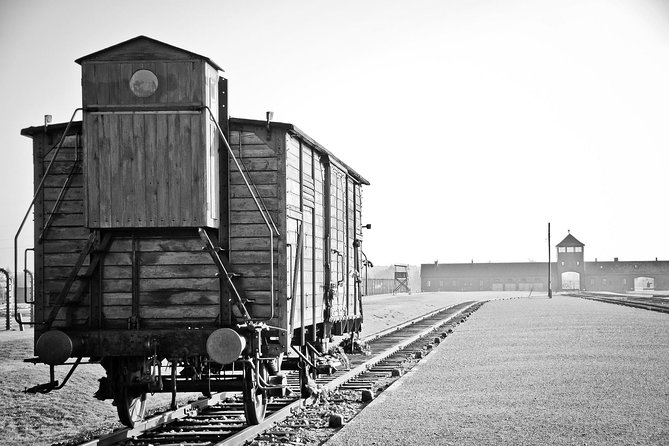
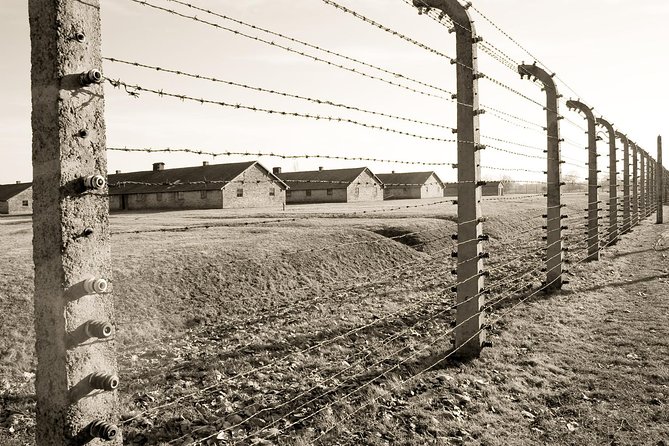
Birkenau is more open and spread out than Auschwitz I. The scale is difficult to absorb from photographs alone. The long rows of barracks, railway area, watchtowers, and wide open ground show how large the camp complex was.
This part of the visit can feel especially stark. You are not simply moving from one exhibit to another. You are walking across a place connected with mass suffering and death, so the guide’s explanations help you understand what you are seeing.
One hour is enough for an introduction, but it is not generous. You may want to stop, read, and reflect, yet the group schedule keeps moving. If you are visiting Auschwitz because you want substantial time for quiet thought, a separate full-day visit would suit you better.
You should also wear comfortable shoes. The tour includes plenty of walking, outdoor paths, and standing. Weather can affect the experience, and a rain jacket is more useful than an umbrella when you are moving with a group.
More Wieliczka Salt Mine tours:
- From Krakow: Wieliczka Salt Mine Tour
★ 4.6 · 9,393 reviews - Krakow: Auschwitz-Birkenau and Salt Mine Guided Tour
★ 4.7 · 9,020 reviews - Krakow: Wieliczka Salt Mine Guided Tour with Transport
★ 4.4 · 7,429 reviews - Krakow: Wieliczka Salt Mine Fast-Track Ticket & Guided Tour
★ 4.5 · 5,872 reviews
The break between the two sites
Lunch is not included, but the day normally allows a break between Auschwitz-Birkenau and Wieliczka. Some departures include about an hour for lunch, and the driver may help arrange a group meal near the salt mine.
You can also bring your own food. Snacks are a good idea because the day is long, and lunch timing may not suit your usual routine. One practical warning: a restaurant used by the group may require cash, so do not rely only on a bank card.
The break is more than a meal stop. After Auschwitz, you may need a little quiet time before moving on. The chance to sit, eat, and gather yourself helps make the second half of the day easier.
Entering the Wieliczka Salt Mine
The Wieliczka visit lasts about 2.5 hours and follows an English guided tourist route. You go as far as 140 metres underground and cover more than 2.5 kilometres through chambers and passages.
The first major physical challenge arrives at the start. To reach the first level, 64 metres below ground, you descend a wooden staircase with 378 steps. At the end of the visit, a lift brings you back to the surface.
That detail should shape your decision. You do not need to be a serious hiker, but you should have a moderate level of fitness and be comfortable with a long walk, repeated stairs, and several hours on your feet. The mine is not a gentle stroll.
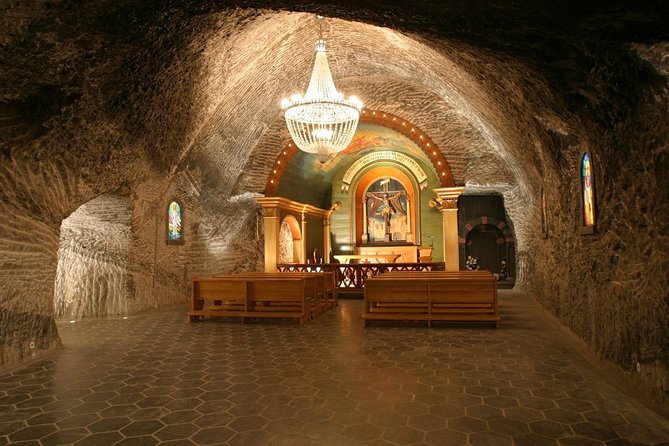
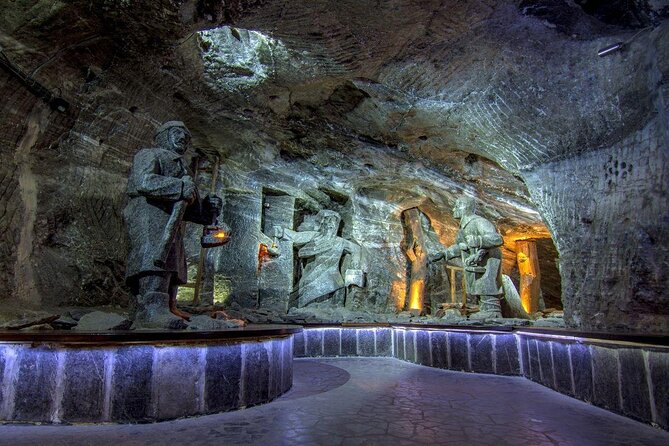
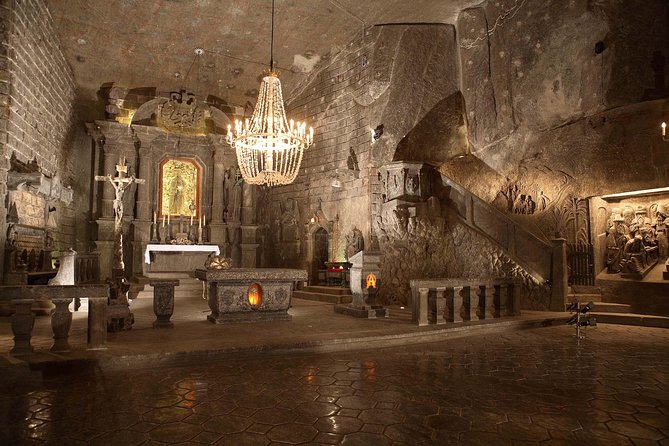
Inside, the attraction comes from the human work as much as from the salt itself. Chambers contain carvings, statues, and decorative details made from salt. The route reaches underground spaces that feel far removed from the streets of Krakow above.
The grand chapel is usually the emotional high point of the mine visit. It gives you a chance to see how practical mining labor and religious art came together over many years. Guides such as Dominik have received particular praise for making the route lively, clear, and enjoyable.
The pace can still be quick. You may not have much time for photographs in the largest chambers, and some displays can pass before you have fully looked at them. The guide controls the route, and the mine’s own visitor system affects how long you can stop.
Pay attention to the exit instructions. The tour may finish at a different point from the entrance, and you may need to make your way back toward the mine entrance area. Do not simply follow the first group you see. Listen carefully to your guide before leaving.
How the two guides shape the day
The guides at the two sites are separate, and the quality of the explanation can vary. At Auschwitz, a respectful and well-prepared museum guide is essential because the subject is so serious. The strongest guides explain clearly while allowing the place to speak for itself.
At Wieliczka, the best guides add humor and energy without losing sight of the work and artistry around you. Dominik and Justine have been praised for strong presentations, while some departures have found the salt mine guide too hurried or less engaged.
You cannot select a particular guide when booking. I would treat individual names as examples of what is possible, not a promise. The tour provider handles transport and coordination, but the museums provide the guides inside the attractions.
Transport, group size, and comfort
The maximum group size is 30 people. That is small enough for organized transport but large enough to feel crowded at popular exhibits. At Auschwitz, a larger group can make it harder to see exactly what the guide is pointing out.
The minivan is air-conditioned and usually comfortable enough for the long day. Legroom is the main concern, particularly for taller passengers. If you are over six feet tall, ask about the vehicle or seating arrangement when you book, though no specific seat can be guaranteed.
The driver’s practical help is often one of the best parts of the service. You are told where to meet, how long each section should take, and when to return to the vehicle. That removes much of the stress that comes with visiting two busy sites in one day.
The tour ends back at the meeting point, unless your pickup arrangement provides a different return location. One piece of useful caution is that a drop-off may not always be directly at your hotel. Confirm the return point, especially if you are staying outside the central area.
Who should choose this day trip?
I would choose this tour if you have only a short stay in Krakow and want to see both sites without spending time on planning. It is particularly useful if the thought of arranging trains, taxis, tickets, and separate guided visits feels like too much work.
It also suits you if you prefer having a driver manage the day. The included tickets and coordinated transfers mean you can focus on the places rather than the mechanics of reaching them.
You should think twice if you want a slow, reflective visit to Auschwitz. The four-hour camp visit includes two separate areas, but the timetable leaves limited space for lingering. A two-day plan would give you more breathing room, although it would cost more time and require another outing.
The same applies to Wieliczka. You will see a great deal, but the route is fixed and the group keeps moving. People who enjoy a lively guided walk will likely appreciate it more than those who want to examine every carving at length.
This is not a good choice for anyone unable to manage moderate physical activity. The day involves walking at both sites, standing, stairs, and the 378-step descent into the mine. The Auschwitz visit is also emotionally difficult and is not suited to young children.
What to pack for a 12-hour outing
Keep your bag small enough for Auschwitz, ideally no larger than 30 by 20 by 10 centimetres. Bring your passport or another required form of ID, comfortable shoes, water, snacks, and weather protection.
A packed lunch can save money and time. If you prefer a restaurant, carry some cash because at least one meal stop used by the group may not accept cards.
Wear shoes that can handle several hours of walking. The salt mine route includes stairs and underground passages, while Auschwitz includes outdoor walking between buildings and across the Birkenau grounds.
You should also leave room in your day for tiredness. Even fit people may feel worn out by the return to Krakow. The minivan ride offers some rest, but this is a full working day, not a relaxed countryside excursion.
Is $187.53 good value?
The price makes sense if you place a high value on convenience. You receive return transport, hotel pickup and drop-off, both entrance tickets, official English tours, and headphones at Auschwitz. You also avoid paying for separate taxis or sorting out two independent schedules.
The price is less attractive if you are already comfortable arranging public transport and museum entry yourself. The main thing you are paying for is coordination. You are not buying extra time inside either site, and the visits follow the museums’ schedules.
The strong organization, prompt drivers, and clear meeting instructions help justify the cost. Just keep your expectations realistic. The tour gives you broad access to two major sites in one day, not unlimited time at each one.
Should you book Auschwitz-Birkenau and Wieliczka in one day?
Book it if your Krakow stay is short, you want both sites, and you value a ready-made plan. The drivers are often praised for being friendly and organized, and the combination avoids a second day of transport and ticket arrangements.
Do not book it if you have enough time to visit over two days or if you need long pauses at Auschwitz. For that kind of visit, separate excursions would be calmer and more respectful to your own pace.
For most people with limited time, I think the tour offers good practical value. Go prepared for an early start, a full 12 hours, lots of walking, modest lunch arrangements, and a fast pace. If you pack light, wear good shoes, carry identification, and accept that the day will be tiring, you can see two remarkable Polish sites with very little logistical trouble.
FAQ
How long does the tour last?
The full experience lasts about 12 hours, including transportation, the Auschwitz-Birkenau visit, the break between sites, and the Wieliczka Salt Mine tour.
Where does the tour start?
The listed meeting point is Przystanek Turystyczny Kiss&Ride Wielopole 2 in Krakow. Hotel pickup is also included.
Where does the tour finish?
The activity ends back at the meeting point. Confirm your exact return arrangement if you are using hotel pickup.
Is hotel pickup included?
Yes. Hotel pickup and drop-off are included as part of the service.
Are entrance tickets included?
Yes. Admission to Auschwitz-Birkenau and the Wieliczka Salt Mine is included.
Is lunch included?
No. Food and drinks, including lunch, are not included. A lunch break is generally provided, and you can bring your own food.
Can I bring a large bag to Auschwitz?
No. Large bags cannot enter the museum. The maximum permitted size is 30 by 20 by 10 centimetres.
Do I need to bring identification?
Yes. You need an ID card or passport on the day of the tour.
How many stairs are there at the Wieliczka Salt Mine?
You descend 378 wooden stairs to reach the first level, which is 64 metres underground. A lift takes you back to the surface after the tour.
Is the tour suitable for people with limited fitness?
The tour requires a moderate level of physical fitness. You should expect substantial walking, standing, and stairs at both sites.
Just added in Krakow
- Auschwitz-Birkenau – Skip the Line Tickets★ 3.5 · 29 reviews
- Auschwitz-Birkenau: Fast-Track Ticket & Guided Tour No Transfers★ 3.5 · 17 reviews
- Zakopane & Sleigh Ride with Bonfire – Group Tour from Kraków★ 5.0 · 2 reviews
- Sleigh Ride & Bonfire in Zakopane with Funicular – Private Trip★ 5.0 · 48 reviews
- Thermal Baths & Zakopane – Private Trip from Krakow★ 5.0 · 1 review
- Zakopane & Gubalowka Funicular – Private Winter Tour from Krakow★ 5.0 · 10 reviews
- Divine Mercy Sanctuary – Private Tour from Krakow★ 5.0 · 4 reviews
- stag dog chase Krakow prank★ 5.0 · 4 reviews